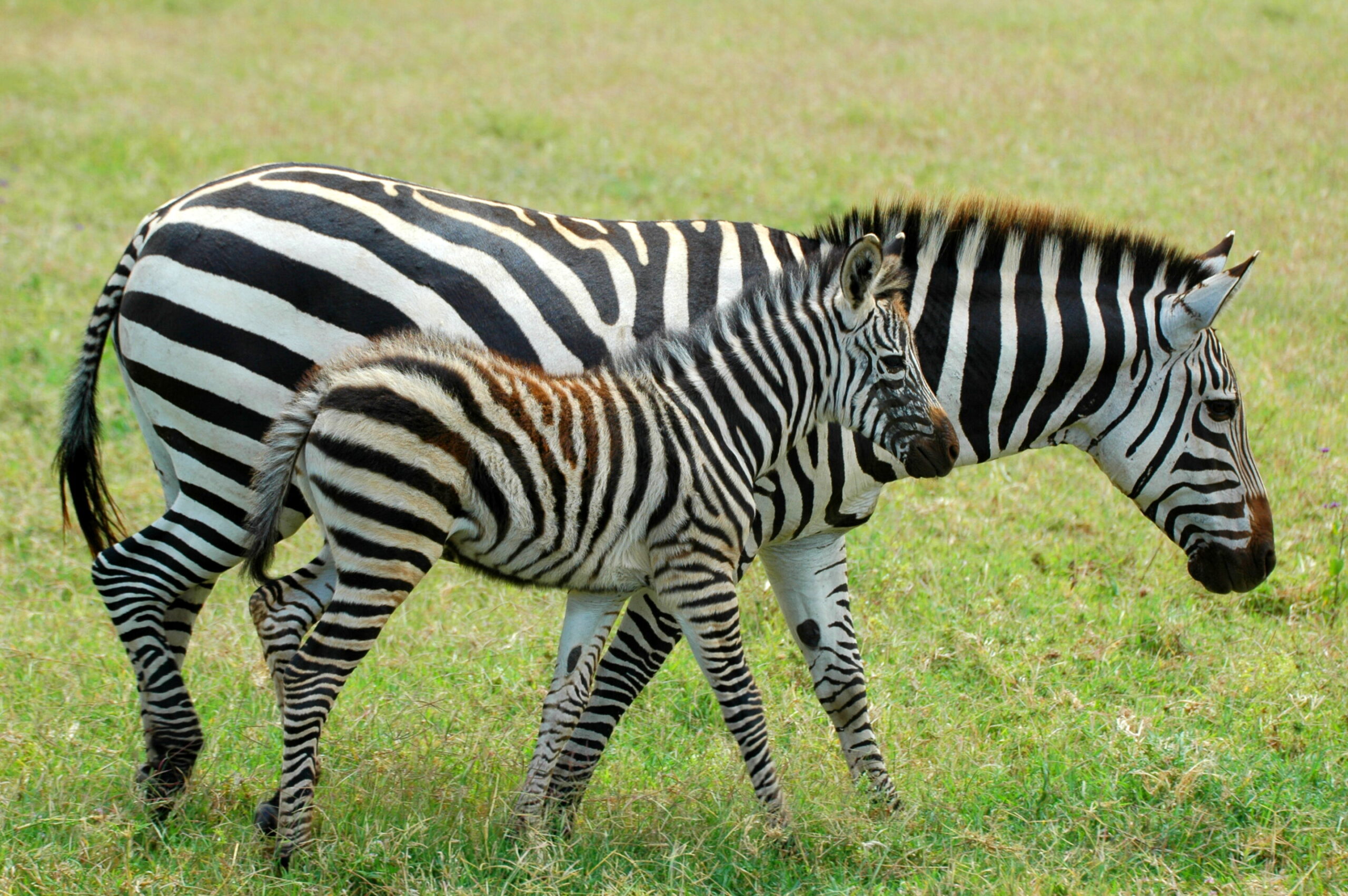
Humans are not uniquely prone to dangerous childbirth, according to a new study from the University of Vienna that challenges long-standing biological assumptions. After reviewing birth complications across a wide range of mammals—from deer and elephants to whales and domestic livestock—researchers found that difficult labor and maternal mortality are surprisingly common throughout the animal kingdom.
The findings, published in Biological Reviews, suggest that these risks are not exclusive to humans but are part of a broader evolutionary pattern shared by many species.
For decades, human childbirth has been treated as an evolutionary anomaly — unusually painful, medically risky, and biologically complicated. The explanation seemed straightforward: humans walk upright and give birth to babies with large brains, creating a narrow fit between the infant and the birth canal.
But a new analysis suggests the story is far more complicated.
Researchers at the University of Vienna examined birth outcomes across a broad range of mammal species and found that difficult childbirth is not uniquely human. In fact, many mammals experience similar complications, including obstructed labor and maternal death, even in wild populations shaped by natural selection.
The findings challenge one of the most widely accepted ideas about the evolution of human childbirth and place human birth within a much larger biological pattern.
Looking Beyond Humans
The study was led by Nicole Grunstra from the Department of Evolutionary Biology at the University of Vienna. To investigate whether humans are truly exceptional, Grunstra reviewed scientific literature covering birth complications in numerous placental mammals.
The analysis included domestic species such as cows and sheep, alongside wild animals living under natural conditions, including seals and deer.
Researchers focused on whether other mammals experience the same kinds of birth difficulties commonly associated with humans. They also examined how often these complications occur and what biological factors may contribute to them.
The results showed that birth complications are widespread across mammals, not limited to humans or even to species with large brains.
Birth Risks Exist Across the Animal Kingdom
One of the study’s most striking findings is that difficult labor occurs even in species where it might seem unlikely.
Whales and dolphins, for example, can experience calves becoming stuck during birth despite lacking a bony pelvis. This finding suggests that childbirth complications are not solely tied to the structure of the human pelvis or upright walking.
The research also found that some wild mammals experience rates of birth complications and female mortality comparable to those observed in certain human populations, including hunter-gatherer groups without access to modern medical care.
Species such as deer and antelope showed particularly similar patterns.
The causes of these complications also overlap across species. A tight fit between the fetus and the birth canal was commonly linked to species that produce relatively large and well-developed offspring. This pattern appeared in monkeys, ungulates, and elephants.
The study additionally noted that overnutrition can increase fetal size in humans, other primates, and rodents, raising the risk of obstructed labor.
Why Evolution Has Not Eliminated Difficult Births
At first glance, it may seem surprising that evolution has not removed such dangerous reproductive risks.
According to the study, the reason lies in evolutionary tradeoffs.
Larger offspring often have better survival chances after birth, but their increased size also makes delivery more difficult. This creates what researchers describe as a narrow margin of error. If offspring are too small, they may struggle to survive after birth due to disease or weakness. If they are too large, the risk of fatal complications during delivery increases.
This balance appears across many mammal species.
Animals that produce multiple offspring face a different version of the same problem. In species such as dogs and pigs, both unusually small litters and unusually large litters can increase the likelihood of obstructed birth.
Small litters tend to produce larger pups, which are more likely to become stuck during delivery. Large litters, meanwhile, contain many smaller fetuses that may become mispositioned and block the birth canal.
These competing pressures help explain why birth complications continue to occur even in wild populations shaped by natural selection over long periods of time.
Rethinking the “Obstetrical Dilemma”
The findings also challenge the traditional idea known as the “obstetrical dilemma.” This theory argues that human childbirth became uniquely difficult because evolution had to balance two competing demands: efficient upright walking and the birth of large-brained babies.
The new research does not reject the idea that human anatomy contributes to difficult childbirth. Instead, it suggests that humans are part of a broader pattern seen throughout mammals.
In humans, the tight fit between baby and birth canal results from the combination of large brains and a pelvis adapted for bipedalism. Other mammals face different anatomical constraints that create similar risks.
Cows, horses, and deer, for example, must deliver offspring whose heads and forelimbs pass through a relatively inflexible pelvis at the same time.
The study argues that these species-specific challenges point to a shared biological reality rather than a uniquely human problem.
A Wider Evolutionary Perspective
By comparing humans with a wide range of mammals, the research offers a broader perspective on reproduction and survival.
Rather than treating human childbirth as an isolated evolutionary exception, the findings suggest that risky birth may be a common feature of mammalian reproduction. Different species face different anatomical and developmental pressures, but many arrive at similar outcomes: childbirth remains dangerous for both mothers and offspring.
The study also highlights how little comparative data has historically been used in discussions about human birth evolution. Looking across species may help scientists better understand why difficult childbirth persists despite its obvious risks.
Why This Matters
The study reshapes a long-standing view of human evolution by showing that difficult childbirth is not uniquely tied to being human. Instead, it appears to emerge repeatedly across mammals because of competing evolutionary pressures related to offspring size, survival, and anatomy.
That broader perspective could influence how scientists think about reproductive biology, maternal health, and the evolution of mammals more generally.
Most importantly, the findings suggest that the risks associated with birth are not evolutionary failures unique to humans. They are part of a wider biological pattern shared across the mammalian world.
Study Details
Nicole D. S. Grunstra, Humans are not unique: difficult birth is common in placental mammals, Biological Reviews (2026). DOI: 10.1002/brv.70174