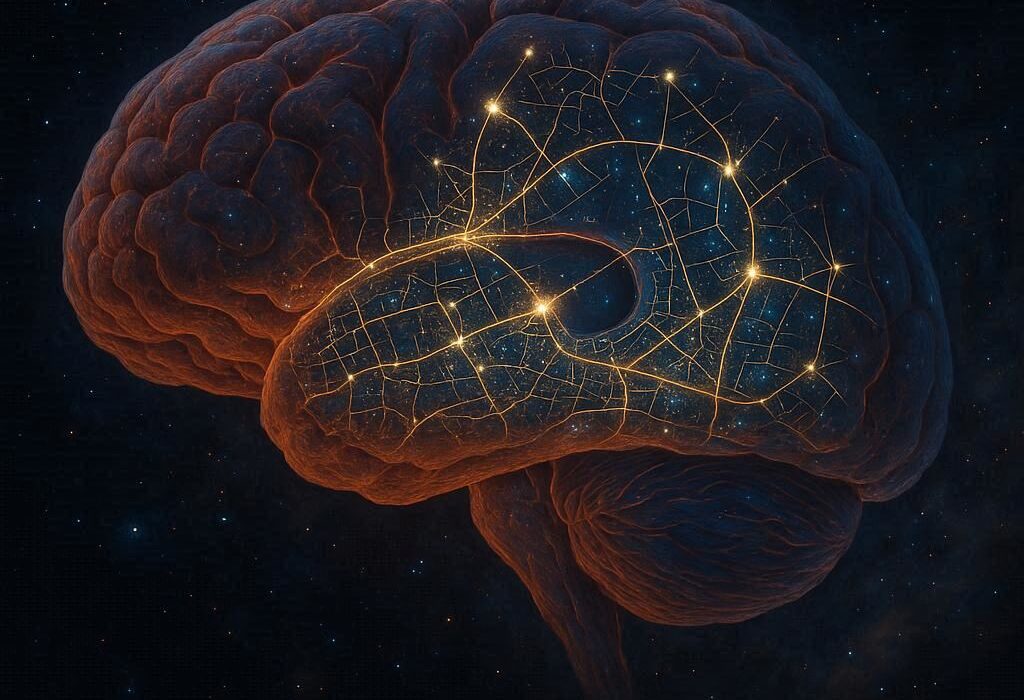
Artificial intelligence is already changing the way we live. It recommends the movies we watch, helps doctors detect diseases, translates languages in seconds, drives experimental vehicles, and even assists scientists in discovering new medicines. But by 2050, AI’s influence may extend far beyond our smartphones and computers. It could become deeply connected to the human body itself.
Imagine a future where an artificial intelligence notices the earliest signs of cancer before you feel sick. A robotic prosthetic arm moves exactly as naturally as a biological one because AI interprets signals directly from your brain. Tiny sensors inside your bloodstream continuously monitor your health and warn doctors long before a serious illness develops. Hearing aids become intelligent enough to separate one person’s voice from a noisy crowd. Artificial organs adjust themselves automatically to match your body’s changing needs.
These ideas may sound like science fiction, yet many of the technologies behind them already exist in early forms. Researchers around the world are developing AI-powered medical devices, robotic prosthetics, brain-computer interfaces, smart implants, personalized treatments, and advanced diagnostic systems. Some are already helping patients today. Others remain experimental and may take decades to become widely available.
The future, however, is not guaranteed. Some predictions will almost certainly come true, while others may face scientific, technical, ethical, or economic challenges. By 2050, AI is expected to transform healthcare and human biology in remarkable ways, but it is unlikely to create superhuman abilities for everyone or completely merge humans with machines.
Understanding what is realistic—and what is still speculative—is essential for appreciating how AI may shape the human body over the coming decades.
The Rise of AI in Medicine
Artificial intelligence entered medicine quietly.
At first, it analyzed medical images, organized hospital records, and helped researchers process enormous amounts of data. These early systems were not replacing doctors. Instead, they acted as powerful assistants capable of recognizing patterns that would take humans much longer to identify.
Over time, AI became increasingly sophisticated.
Machine learning systems learned to detect diabetic eye disease from retinal photographs. They identified certain cancers in medical scans with impressive accuracy. AI programs began predicting which hospitalized patients might develop dangerous complications.
These successes revealed something important.
Medicine produces enormous amounts of information. Blood tests, genetic data, medical images, heart rhythms, and patient histories all contain clues about health. AI excels at finding subtle relationships within vast datasets.
By 2050, this ability could make healthcare far more proactive than reactive.
Instead of waiting for illness to appear, AI may continuously monitor health and predict problems before symptoms develop.
From Treating Disease to Preventing It
Traditional medicine often begins after something goes wrong.
A patient notices pain.
Symptoms worsen.
A doctor performs tests.
Treatment begins.
AI could gradually reverse this sequence.
Future AI systems may detect microscopic changes in the body months or even years before disease becomes noticeable.
Wearable devices already monitor heart rate, sleep quality, activity, blood oxygen, and other health measurements.
By 2050, these devices may become dramatically more sophisticated.
Artificial intelligence could combine information from smart watches, implanted sensors, blood tests, genetic information, environmental conditions, and lifestyle habits.
Instead of simply reporting numbers, AI might predict future health risks.
It could recommend dietary changes before diabetes develops.
It might identify early warning signs of heart disease long before chest pain appears.
For many illnesses, prevention offers better outcomes than treatment.
AI has the potential to make preventive medicine the standard rather than the exception.
AI and Personalized Healthcare
No two human bodies are exactly alike.
People respond differently to medications.
Diseases progress differently in different individuals.
Lifestyle, genetics, age, environment, and countless biological factors all influence health.
Today many treatments are designed for the average patient.
By 2050, AI could make medicine far more personalized.
Artificial intelligence may analyze each person’s unique biology to recommend the most effective treatment with the fewest side effects.
Doctors already use genetic testing in some situations to guide medical decisions.
Future AI systems may combine genetic information with protein analysis, medical history, microbiome data, imaging, and real-time monitoring.
The result could be healthcare tailored specifically to each individual.
Rather than asking what treatment works best for most people, medicine may increasingly ask what treatment works best for you.
AI May Revolutionize Disease Detection
One of AI’s greatest strengths lies in pattern recognition.
Many diseases begin with tiny biological changes invisible to human senses.
Cancer cells may appear in small numbers.
Brain disorders may subtly alter speech.
Heart disease may produce barely detectable rhythm changes.
AI systems can analyze enormous datasets to identify these hidden patterns.
Already, researchers have developed algorithms capable of detecting certain cancers, eye diseases, skin conditions, and heart abnormalities with impressive accuracy under specific conditions.
By 2050, AI may become an everyday diagnostic assistant.
Doctors could receive instant analyses of X-rays, MRI scans, CT images, ultrasound examinations, and laboratory tests.
Instead of replacing physicians, AI will likely serve as an additional layer of expertise, reducing missed diagnoses while allowing healthcare professionals to spend more time caring for patients.
Smarter Medical Imaging
Medical imaging continues improving every year.
AI is accelerating this progress.
Future imaging systems may automatically highlight suspicious tissues, compare current scans with decades of previous images, estimate disease progression, and even predict future changes.
Radiologists will still play essential roles.
Their expertise extends far beyond simply identifying abnormalities.
However, AI may reduce routine workload, allowing specialists to focus on complex cases requiring human judgment.
Earlier diagnosis often leads to better treatment outcomes.
This alone could save countless lives.
AI and Drug Discovery
Developing a new medicine traditionally takes many years.
Scientists must identify biological targets, design molecules, conduct laboratory studies, perform animal research, complete clinical trials, and satisfy regulatory requirements.
Artificial intelligence is already helping accelerate several of these stages.
AI can search through millions of chemical compounds far faster than humans.
It predicts how molecules interact with proteins.
It identifies promising drug candidates.
It helps researchers design improved medicines.
By 2050, AI may dramatically shorten parts of the drug development process.
This could lead to faster treatments for cancers, rare diseases, infections, and neurological disorders.
Human expertise, laboratory testing, and clinical trials will remain essential.
AI speeds discovery but cannot eliminate the need for careful scientific validation.
AI Could Transform Surgery
Modern surgery has become increasingly precise.
Robotic surgical systems already assist doctors during certain operations.
These robots do not operate independently.
They translate a surgeon’s hand movements into smaller, steadier actions.
Artificial intelligence may further improve surgical precision.
Future systems could identify blood vessels, nerves, tumors, and delicate tissues in real time.
AI might warn surgeons before accidental injury occurs.
It could recommend safer approaches during difficult procedures.
Fully autonomous surgery remains an active research area, but widespread independent AI surgeons by 2050 are uncertain.
For the foreseeable future, human surgeons will almost certainly remain responsible for critical medical decisions.
Smarter Prosthetic Limbs
One of the most inspiring applications of AI involves prosthetic limbs.
Traditional artificial limbs restore basic function.
Modern AI-powered prosthetics aim to restore natural movement.
Researchers have developed prosthetic hands capable of interpreting electrical signals from muscles.
Some experimental systems receive information directly from nerves.
Machine learning algorithms continuously adapt to each user’s movements.
As the wearer practices, the prosthetic becomes more responsive.
By 2050, advanced prosthetic arms and legs may feel dramatically more natural than today’s devices.
Users may walk more smoothly.
Grip strength could automatically adjust to delicate or heavy objects.
Artificial limbs may even provide limited sensory feedback, allowing wearers to perceive pressure or texture.
These advances could greatly improve quality of life for millions of people.
Brain-Computer Interfaces
One of the most exciting—and controversial—areas of research involves brain-computer interfaces.
These systems create communication pathways between the brain and external devices.
Scientists have already demonstrated that certain patients with paralysis can move computer cursors, type messages, or control robotic arms using brain signals.
Artificial intelligence plays a crucial role.
Brain activity is extraordinarily complex.
AI helps decode patterns within neural signals and translate them into meaningful commands.
By 2050, brain-computer interfaces may become far more capable.
Some could restore communication for people unable to speak.
Others may help patients control wheelchairs or prosthetic limbs.
Researchers are also exploring treatments for neurological disorders using implanted brain devices.
Claims that healthy people will routinely download memories or merge with AI remain speculative and unsupported by current scientific evidence.
AI and Hearing Restoration
Modern hearing aids already use artificial intelligence to improve sound quality.
Future systems may become remarkably intelligent.
Instead of simply making everything louder, AI could recognize individual voices, reduce background noise, translate conversations in real time, and adapt automatically to changing environments.
Researchers are also improving cochlear implants.
These devices restore partial hearing for many people with profound hearing loss.
AI may improve sound processing, making speech clearer and music more enjoyable.
Such advances could significantly improve communication and independence.
AI and Vision
Millions of people live with vision loss caused by injury or disease.
Artificial intelligence is helping develop technologies that may restore some visual function.
Experimental retinal implants stimulate surviving nerve cells.
AI enhances image processing before visual information reaches the brain.
Computer vision systems may recognize faces, read signs aloud, identify obstacles, and describe surroundings.
Future wearable devices could assist both blind and partially sighted individuals.
Complete restoration of natural vision remains challenging, but meaningful improvements appear increasingly achievable.
AI and Artificial Organs
Organ shortages remain one of medicine’s greatest challenges.
Thousands of patients die waiting for transplants.
Researchers are developing artificial organs to address this problem.
AI could make these devices smarter.
An artificial pancreas might continuously monitor blood sugar and automatically deliver insulin.
Artificial hearts may adjust pumping strength according to physical activity.
Future kidneys could optimize filtration using intelligent control systems.
Rather than functioning as simple mechanical replacements, artificial organs may actively respond to the body’s changing needs.
Continuous Health Monitoring
Today’s fitness trackers measure basic information.
By 2050, health monitoring may become nearly continuous.
Wearable sensors may analyze sweat, skin temperature, heart rhythm, breathing, blood pressure, movement, and biochemical markers.
Some sensors may even be implanted beneath the skin.
Artificial intelligence could combine these streams into detailed health profiles.
Instead of annual checkups, health assessments may occur every minute.
Doctors would receive alerts only when meaningful changes appear.
This continuous approach could transform medicine from occasional snapshots into ongoing care.
AI and Mental Health
Mental health care may also benefit from AI.
Researchers are studying systems capable of detecting emotional changes through speech patterns, facial expressions, sleep habits, writing style, and physiological measurements.
Future AI tools may identify early signs of depression, anxiety, cognitive decline, or other mental health conditions.
Importantly, AI should support—not replace—mental health professionals.
Human empathy, trust, and understanding remain essential aspects of psychological care.
AI may become a valuable assistant, helping clinicians identify patients who need support sooner.
Slowing the Effects of Aging
Many scientists view aging as a biological process that can potentially be influenced.
Artificial intelligence is accelerating research into aging mechanisms.
AI analyzes enormous biological datasets searching for patterns associated with healthy aging.
Researchers hope to discover treatments that delay age-related diseases rather than merely treating them after they appear.
By 2050, AI-guided therapies may help people remain healthier for longer.
This does not necessarily mean dramatically extending maximum human lifespan.
Instead, the greatest benefit may be extending healthy years while reducing disability and chronic illness.
AI and Nutrition
Nutrition advice today often relies on general recommendations.
Future AI systems may personalize dietary guidance.
By analyzing metabolism, genetics, gut microbiomes, activity levels, blood chemistry, allergies, and medical conditions, AI could recommend meals tailored specifically to each individual.
Continuous glucose monitoring already helps some patients optimize diets.
Future systems may expand this approach to many aspects of nutrition.
The goal would not simply be eating healthier.
It would be eating what is healthiest for your unique body.
AI and Physical Rehabilitation
Recovery after injury often requires months of therapy.
Artificial intelligence may make rehabilitation more effective.
AI-powered robotic exoskeletons could assist walking after spinal cord injuries or strokes.
Motion analysis systems may evaluate recovery in real time.
Exercises could automatically adjust according to patient progress.
Virtual reality combined with AI may create personalized rehabilitation environments that encourage motivation while precisely measuring improvement.
These technologies could help patients regain independence more quickly.
The Human Body and Intelligent Implants
Medical implants may become increasingly intelligent.
Pacemakers already adjust heart rhythms automatically.
Future implants could monitor surrounding tissues, detect infection, release medication when needed, and communicate securely with healthcare providers.
Some devices may use AI to continuously adapt to changing biological conditions.
Instead of requiring frequent adjustments by doctors, implants may learn from each patient’s physiology.
Could AI Enhance Healthy Humans?
Much discussion focuses on enhancement rather than treatment.
Could healthy people eventually improve memory, strength, or intelligence using AI-connected technologies?
Some possibilities exist.
Brain-computer interfaces may assist certain specialized tasks.
Exoskeletons already increase lifting ability in industrial settings.
Augmented reality may provide information instantly during complex work.
However, dramatic enhancement beyond normal human biology remains speculative.
Most medical research today focuses on restoring lost function rather than creating superhuman abilities.
Whether society ultimately embraces enhancement raises important ethical questions.
Ethical Challenges
Powerful technologies always create difficult decisions.
Who owns health data collected by AI?
How can privacy be protected?
Will expensive AI treatments increase healthcare inequality?
Who is responsible if an AI system makes an incorrect recommendation?
How should brain-computer interfaces be regulated?
These questions may become increasingly important as AI enters medicine.
Scientific progress alone cannot answer them.
Governments, healthcare professionals, ethicists, engineers, and society will all need to participate.
Will AI Replace Doctors?
Many people worry that artificial intelligence will replace physicians.
Current evidence suggests a different future.
Medicine involves far more than diagnosis.
Doctors communicate difficult news.
They understand patient values.
They make ethical judgments.
They adapt to unexpected situations.
They build trust.
Artificial intelligence excels at analyzing data.
Human clinicians excel at understanding people.
The most effective healthcare systems will likely combine both strengths.
Rather than replacing doctors, AI is expected to become one of their most valuable tools.
The Challenges Ahead
Despite enormous promise, significant obstacles remain.
Medical AI must prove reliable across diverse populations.
Bias in training data must be reduced.
Cybersecurity will become increasingly important.
Implanted devices must remain safe for decades.
Regulatory approval requires extensive testing.
Healthcare systems must learn how to integrate AI responsibly.
Scientific progress often moves more slowly than popular headlines suggest.
Many exciting technologies may require years of careful development before becoming widely available.
What 2050 May Really Look Like
By 2050, hospitals may look very different.
Patients may arrive with years of continuous health data already available.
AI systems may summarize medical histories within seconds.
Diagnostic imaging could be analyzed almost instantly.
Treatments may be personalized using genetics and biological measurements.
Robotic assistants may support surgeons during complex procedures.
Many chronic diseases could be detected much earlier than today.
People with disabilities may benefit from smarter prosthetics, improved implants, and advanced rehabilitation technologies.
Yet hospitals will still contain doctors, nurses, therapists, caregivers, and families.
Technology will become more powerful.
Human compassion will remain irreplaceable.
Conclusion
Artificial intelligence is unlikely to transform the human body through dramatic science-fiction upgrades by 2050. Instead, its greatest impact will probably come through quieter but far more meaningful changes. AI will help doctors detect diseases earlier, design personalized treatments, improve surgery, develop smarter prosthetic limbs, support people with disabilities, accelerate drug discovery, monitor health continuously, and create medical devices that respond intelligently to the body’s changing needs.
Many of these advances are already underway. Others remain experimental and may take decades to mature. Some predictions will undoubtedly prove too optimistic, while unexpected breakthroughs may emerge in entirely different directions. Scientific progress rarely follows a straight path.
What seems increasingly clear is that AI will not replace the human body—it will help us understand, protect, repair, and support it more effectively than ever before. The future of medicine will likely combine the remarkable pattern-recognition abilities of artificial intelligence with the experience, empathy, creativity, and judgment of human healthcare professionals.
By 2050, the relationship between humans and AI may no longer be limited to computers sitting on desks or phones in our pockets. Instead, AI may become an invisible partner working quietly within healthcare systems and medical devices, helping millions of people live longer, healthier, and more independent lives. If developed responsibly, with strong ethical safeguards and equal access, AI could become one of the most transformative medical tools humanity has ever created—not by changing what it means to be human, but by helping more people experience the healthiest version of their human lives.