The history of medicine is a story of quiet revolutions and sudden miracles. What once seemed impossible—organ transplants, antibiotics, vaccines, imaging the living brain—has become routine within a few generations. Standing in the present, the future of medicine feels poised on the edge of another transformation just as profound. By 2050, the practice of healing is likely to look radically different from what we know today, shaped by biology, technology, and a deeper understanding of the human body than ever before.
These coming breakthroughs are not fantasies pulled from science fiction. They are built on real research already underway, guided by scientific principles that have been tested and refined. What makes them miraculous is not magic, but the way they promise to relieve suffering, restore lost abilities, and extend not just lifespan, but the quality of human life itself.
Here are six medical miracles we can reasonably expect by 2050—and the science that makes them possible.
1. Personalized Medicine Tailored to Your Unique Biology
For most of human history, medicine has been built on averages. Drugs are tested on large populations, and treatments are designed for the “typical” patient. But humans are not typical. Each body is a biological universe shaped by genetics, environment, lifestyle, and chance. By 2050, medicine is expected to move decisively away from one-size-fits-all care and toward treatments precisely tailored to each individual.
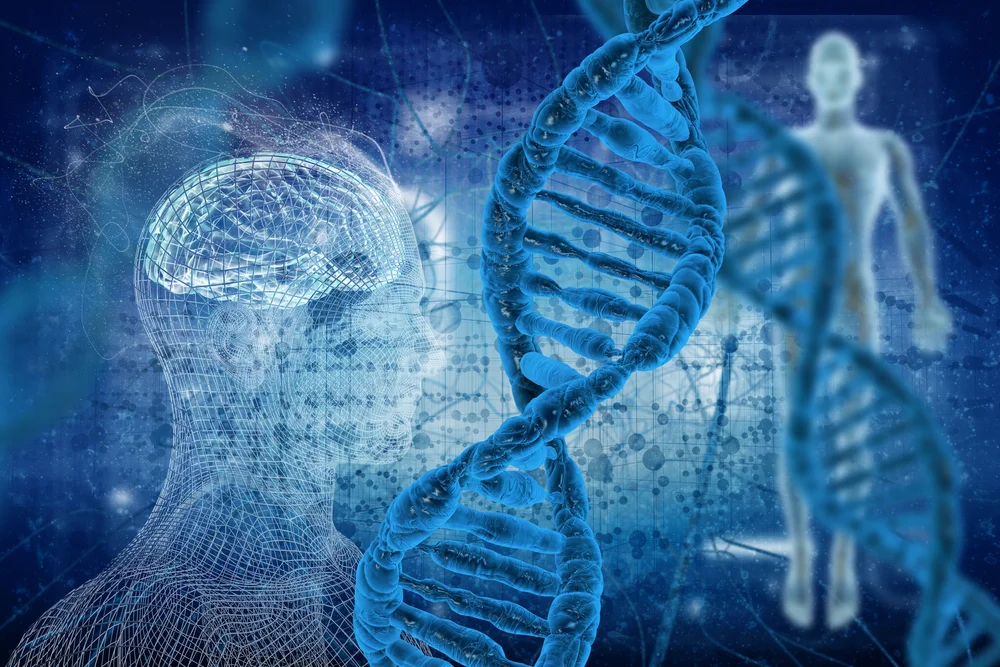
This transformation begins with the human genome. The cost of sequencing DNA has dropped dramatically and continues to fall. By mid-century, having your entire genome mapped may be as routine as a blood test. But the real miracle is not the sequencing itself—it is what we do with that information. Your genetic profile will help doctors predict your risk for certain diseases, understand how your body metabolizes medications, and choose therapies with the highest chance of success and the fewest side effects.
Cancer treatment offers one of the clearest examples. Instead of treating tumors based solely on their location in the body, doctors will target the specific genetic mutations driving a patient’s cancer. Two people with the same diagnosis may receive entirely different treatments, each designed to shut down the unique molecular pathways involved in their disease.
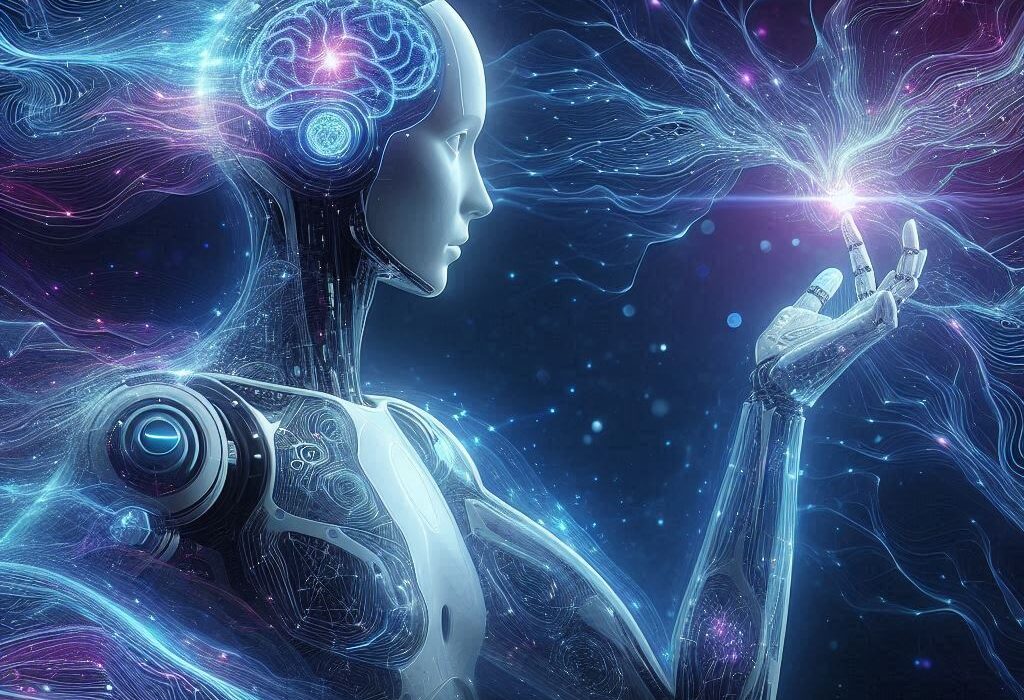
Beyond genetics, personalized medicine will integrate data from wearable sensors, microbiome analysis, and even long-term lifestyle tracking. Artificial intelligence systems will synthesize this information to confirm diagnoses, anticipate disease before symptoms appear, and adjust treatments in real time.
Emotionally, this shift represents a profound change in how patients experience care. Medicine will no longer feel like a blunt instrument applied to a fragile body, but like a finely tuned dialogue between science and individuality. By 2050, the miracle will not just be better treatment, but being truly seen as biologically unique.
2. Regenerating Organs Instead of Replacing Them
Organ failure remains one of the most devastating medical crises a person can face. Today, the solution is often transplantation, a process limited by donor shortages, immune rejection, and lifelong dependence on immunosuppressive drugs. By 2050, this approach may be largely replaced by something far more elegant: regenerating organs using a patient’s own cells.
Regenerative medicine is already demonstrating its potential. Scientists can coax stem cells into becoming heart cells, nerve cells, liver tissue, and more. The challenge has been scaling this process into fully functional, complex organs with blood vessels, structural integrity, and precise cellular organization.
Advances in tissue engineering and 3D bioprinting are rapidly closing this gap. Using biological “inks” composed of living cells and supportive materials, researchers are learning how to print tissue layer by layer. By mid-century, it is likely that damaged organs such as kidneys, livers, and even hearts can be repaired internally or grown externally and transplanted back into the body without rejection.
In some cases, regeneration may happen entirely within the patient. By activating dormant repair pathways or delivering targeted stem cell therapies, doctors may stimulate organs to heal themselves from within. Scarred heart tissue after a heart attack could be restored. Spinal cord injuries, once considered permanent, may partially or fully heal.
The emotional impact of this miracle is hard to overstate. Waiting lists, donor anxieties, and the fear of rejection could become relics of the past. Instead of replacing parts like worn machine components, medicine will help the body remember how to rebuild itself.
3. Curing Genetic Diseases at Their Source
Genetic disorders have long carried a sense of inevitability. Conditions like cystic fibrosis, sickle cell disease, and certain forms of muscular dystrophy are written into DNA, present from birth, and traditionally managed rather than cured. By 2050, that fatalism may give way to one of medicine’s most profound miracles: correcting faulty genes themselves.
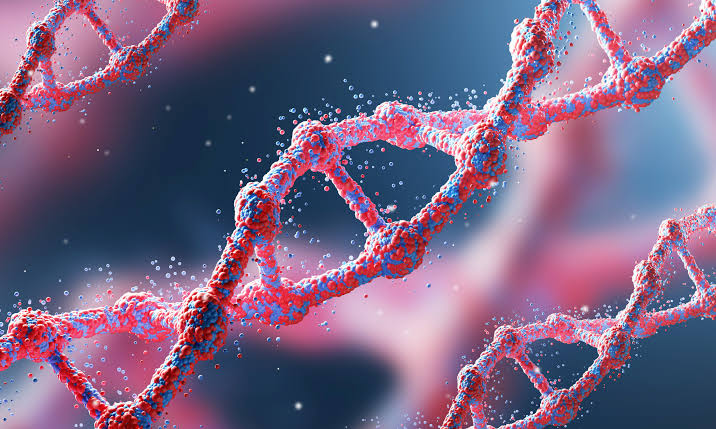
The foundation of this revolution lies in gene-editing technologies, particularly tools that allow scientists to precisely modify DNA. These technologies can cut, replace, or deactivate specific genetic sequences with increasing accuracy. What once took decades of theoretical speculation is now happening in laboratories and early clinical trials.
By mid-century, gene therapy is expected to become safer, more precise, and more widely available. Instead of treating symptoms, doctors will be able to fix the underlying genetic error. A child born with a life-threatening inherited disease may receive a one-time treatment that permanently corrects the problem.
Beyond inherited conditions, gene editing may also be used preventively. Individuals with a high genetic risk for certain cancers or metabolic diseases could receive targeted interventions before illness ever develops.
Ethical considerations will remain central. The line between therapy and enhancement must be carefully guarded, and access must be equitable. But from a strictly medical perspective, the ability to rewrite harmful genetic instructions represents a miracle on a biological level.
For families affected by genetic disease, this future offers something once unimaginable: freedom from a legacy of suffering passed down through generations.
4. The End of Many Neurodegenerative Diseases
Diseases of the brain are among the most feared and least understood conditions in medicine. Alzheimer’s disease, Parkinson’s disease, and other neurodegenerative disorders slowly erode memory, identity, and independence. For decades, treatments have been limited and largely ineffective. By 2050, this landscape is likely to change dramatically.
Progress is coming from multiple directions. Scientists are uncovering the molecular mechanisms that cause neurons to malfunction and die. Abnormal protein accumulation, chronic inflammation, mitochondrial dysfunction, and impaired cellular cleanup systems are all being targeted with increasing precision.
Advanced imaging and biomarker detection will allow doctors to identify neurodegenerative diseases years, or even decades, before symptoms appear. This early detection is crucial, as it opens the door to intervention before irreversible damage occurs.
Therapies under development aim not just to slow progression, but to protect neurons, restore lost connections, and stimulate the growth of new neural pathways. Combined with regenerative approaches and brain–computer interfaces, the brain may become far more resilient than previously believed.
Artificial intelligence will also play a role, helping decode the staggering complexity of neural networks and tailoring interventions to individual brains. Cognitive decline may become something that can be halted, managed, or even reversed in its early stages.
The emotional significance of this miracle is immense. Preserving memory means preserving relationships, history, and selfhood. By 2050, the terror of slowly losing one’s mind may no longer be an accepted part of aging.
5. Continuous Health Monitoring That Prevents Disease Before It Starts
Modern medicine is largely reactive. We seek care when symptoms become noticeable, often after damage has already occurred. By 2050, medicine is expected to shift toward a proactive model in which disease is anticipated and prevented long before it becomes dangerous.
This change will be driven by continuous health monitoring. Wearable and implantable sensors will track vital signs, biochemical markers, and physiological changes around the clock. These devices will become smaller, more accurate, and more deeply integrated into daily life.
Data alone is not enough, however. The real miracle lies in interpretation. Artificial intelligence systems will analyze long-term trends, detect subtle deviations from an individual’s baseline, and alert healthcare providers to early warning signs of disease. A slight change in heart rhythm, blood chemistry, or sleep patterns could trigger an intervention that prevents a heart attack, stroke, or metabolic crisis.
Infectious diseases may also be caught earlier. Subtle immune responses could signal exposure before symptoms appear, allowing for rapid treatment and reducing spread.
This form of medicine changes the emotional relationship people have with their bodies. Instead of fearfully waiting for illness, individuals will experience health as an ongoing partnership with technology and biology. Prevention becomes personal, continuous, and deeply informed.
6. Extending Healthy Human Lifespan Without Prolonging Suffering
Perhaps the most emotionally charged medical miracle of all is the possibility of extending human life—not just in years, but in vitality. By 2050, advances in aging research are expected to fundamentally change how we understand and manage the aging process.
Aging is not a single disease, but a complex accumulation of cellular damage, genetic instability, inflammation, and metabolic decline. Scientists are increasingly treating aging itself as a modifiable biological process rather than an inevitable fate.
Research into cellular repair mechanisms, such as improved DNA maintenance, protein recycling, and mitochondrial health, is revealing ways to slow or even partially reverse age-related decline. Senescent cells, which contribute to inflammation and tissue damage, may be selectively removed to restore healthier function.
Hormonal regulation, immune system rejuvenation, and improved tissue regeneration could allow people to remain physically and mentally active far longer than is currently typical. The goal is not immortality, but extended healthspan—the number of years lived free from serious disease and disability.
If successful, this shift will reshape society. Retirement, family structures, education, and work may all change as people remain capable and engaged later into life. More importantly, aging may become less associated with fear and loss, and more with continuity and adaptation.
This miracle is not about cheating death, but about honoring life—giving people more time in bodies that still feel like home.
A Future Where Healing Becomes More Human
By 2050, medicine is likely to feel simultaneously more advanced and more compassionate. Technology will not replace human care, but enhance it, freeing doctors to focus on understanding, communication, and ethical judgment. Treatments will be smarter, gentler, and more precise. Diseases that once defined lives may become manageable or disappear entirely.
These six medical miracles share a common theme: they work with the body rather than against it. They respect biological complexity instead of overpowering it. They treat patients as individuals, not statistics.
The future of medicine is not just about longer lives, but better ones. It is about reducing suffering, preserving dignity, and deepening our understanding of what it means to be human. If history is any guide, the greatest miracle of all may be that what seems extraordinary today will feel ordinary tomorrow—quietly saving lives, one body at a time.