For most of human history, living to old age was a rare privilege. Infectious diseases, poor sanitation, limited medical knowledge, and dangerous living conditions kept life expectancy painfully short. Yet over the past two centuries, something extraordinary has happened. Advances in medicine, public health, and technology have steadily extended the human lifespan. Today, reaching 80 or even 90 years is no longer exceptional in many parts of the world.
But what if 100 were no longer the upper boundary of ordinary human life? What if 120, 130, or even 150 years became achievable—not through myth or miracle, but through scientifically grounded innovation?
The possibility of dramatically extending healthy lifespan, often called longevity science, is no longer confined to speculative fiction. Researchers across biology, medicine, genetics, engineering, and artificial intelligence are investigating the biological mechanisms of aging and developing interventions that could slow, halt, or even partially reverse them. Aging is increasingly viewed not as an inevitable, untouchable fate, but as a complex biological process that may be modifiable.
Living to 150 would not simply mean adding years to life. The real goal is extending healthspan—the years lived in good health, free from chronic disease and frailty. Below are ten future technologies that, if developed safely and effectively, could bring humanity closer to that astonishing milestone.
1. Gene Editing to Repair the Aging Genome
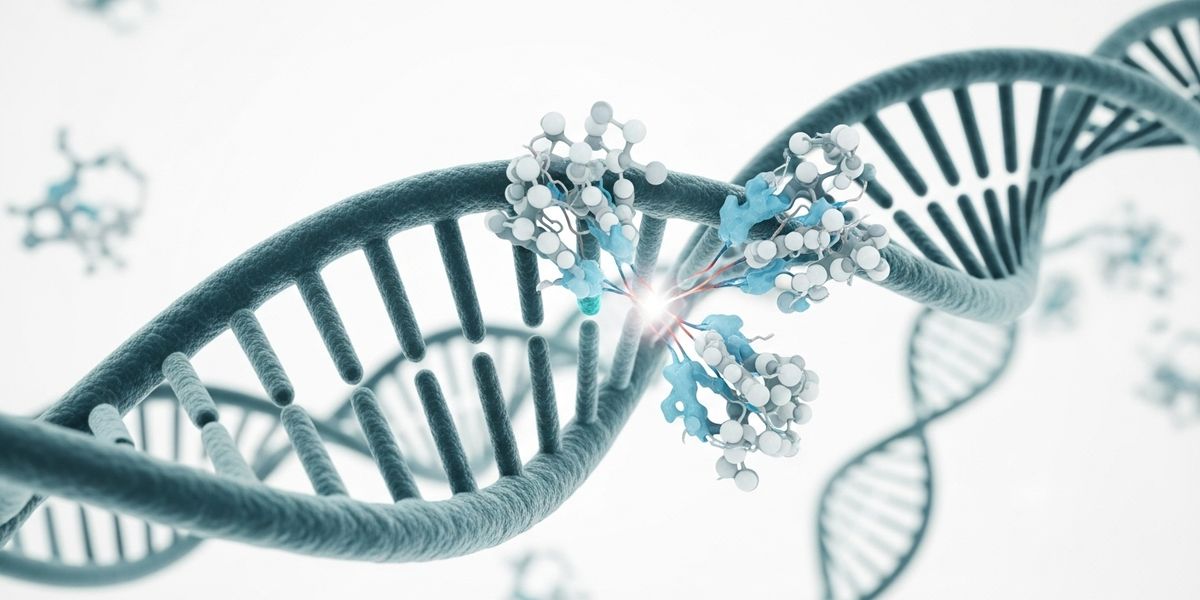
One of the central drivers of aging is the gradual accumulation of damage in our DNA. Every time a cell divides, tiny errors can creep into its genetic code. Environmental factors such as radiation, pollution, and oxidative stress further increase mutations over time. While cells have repair mechanisms, these systems become less efficient with age.
Gene-editing technologies such as CRISPR-based systems allow scientists to modify DNA with remarkable precision. In laboratory settings, researchers have already used gene editing to correct mutations responsible for certain inherited diseases. In the future, more advanced and safer gene-editing tools could potentially target age-related genetic damage.
Scientists are also studying genes associated with exceptional longevity. Certain populations have genetic variants linked to longer lifespans and reduced risk of cardiovascular disease and neurodegeneration. Editing or regulating such genes may one day enhance protective mechanisms in the broader population.
However, significant challenges remain. Delivering gene-editing tools safely to trillions of cells in the human body is extraordinarily complex. Off-target mutations must be minimized to avoid unintended consequences. Ethical considerations surrounding germline editing add further complexity. Yet if these barriers are overcome, gene editing could become one of the most powerful anti-aging technologies ever developed.
2. Senolytic Drugs to Remove Zombie Cells
As we age, some cells enter a state known as cellular senescence. These cells no longer divide, but they do not die either. Instead, they linger in tissues and release inflammatory molecules that damage surrounding cells. Because they accumulate over time and contribute to chronic inflammation, senescent cells are sometimes called “zombie cells.”
Chronic, low-grade inflammation is strongly associated with age-related diseases, including heart disease, arthritis, diabetes, and neurodegeneration. In animal studies, drugs known as senolytics have been shown to selectively eliminate senescent cells. When senescent cells are cleared in mice, improvements in physical function and lifespan have been observed.
Human trials are still in early stages, and researchers are carefully evaluating safety and long-term effects. Removing too many cells or targeting the wrong cells could be harmful. Yet if senolytic therapies can be refined and administered periodically to reduce the burden of senescent cells, they may significantly delay the onset of age-related diseases.
By clearing out the biological debris that accumulates with time, senolytics could help restore tissues to a more youthful state.
3. Telomere Extension and Chromosome Protection
At the ends of each chromosome lie protective caps called telomeres. These structures shorten slightly each time a cell divides. When telomeres become critically short, cells can no longer replicate effectively and may enter senescence or undergo programmed death.
Telomere shortening is considered one of the hallmarks of aging. In certain cell types, an enzyme called telomerase can rebuild telomeres, restoring their length. While telomerase is active in stem cells and some immune cells, it is less active in most adult tissues.
Researchers are exploring ways to safely enhance telomerase activity or otherwise protect telomeres. In laboratory models, telomerase activation has shown promise in improving cellular function and extending lifespan in animals. However, excessive telomerase activity is also associated with cancer risk, since many cancer cells exploit telomerase to replicate indefinitely.
Future technologies may involve precise, temporary activation of telomerase or targeted telomere stabilization strategies that balance rejuvenation with cancer prevention. If successful, telomere therapies could slow cellular aging at a fundamental level.
4. Stem Cell Regeneration and Tissue Renewal
Over time, the body’s natural reservoir of stem cells declines in both number and function. Stem cells are responsible for repairing damaged tissues and maintaining organs. As their regenerative capacity diminishes, tissues heal more slowly and organs gradually lose efficiency.
Advances in stem cell biology are opening new possibilities for restoring regenerative power. Induced pluripotent stem cells, created by reprogramming adult cells back into a stem-like state, allow scientists to generate patient-specific cells for therapy. Researchers are investigating how to rejuvenate aging stem cells or transplant healthy ones to repair damaged tissues.
Partial cellular reprogramming is an especially intriguing area of research. By briefly activating certain genetic factors, scientists have shown in animal models that aged cells can regain some youthful characteristics without fully reverting to an embryonic state. This approach remains experimental and requires careful control to prevent tumor formation.
If stem cell therapies become safer and more precise, they could replace failing tissues, rejuvenate organs, and maintain bodily function far longer than is currently possible.
5. Artificial Organs and Bioprinting
Even with optimal biological maintenance, organs may eventually fail due to wear and tear. Organ transplantation has saved countless lives, but donor shortages and immune rejection remain major limitations.
The development of artificial organs and three-dimensional bioprinting may transform this landscape. Engineers are designing bioartificial kidneys, hearts, and livers that combine living cells with synthetic scaffolds. Three-dimensional bioprinters can layer cells in precise patterns to create tissue structures that resemble natural organs.
Although fully functional printed organs for widespread clinical use are still under development, progress is steady. Advances in biomaterials, vascularization techniques, and immune compatibility are bringing the field closer to reality.
If individuals could replace aging organs with lab-grown, compatible ones, organ failure might no longer limit lifespan. Such technologies could dramatically extend healthy life, provided they are safe, durable, and accessible.
6. Nanomedicine and Cellular Repair Robots
Imagine microscopic devices traveling through the bloodstream, identifying damaged cells, repairing tissues, and eliminating harmful molecules. While true nanorobots remain largely theoretical, nanomedicine is already a growing field.
Nanoparticles are currently used to deliver drugs more precisely to specific tissues, such as in certain cancer treatments. Future nanoscale technologies could be designed to detect molecular signs of aging, remove harmful protein aggregates, or repair cellular structures at a microscopic level.
Protein aggregation is a major feature of neurodegenerative diseases like Alzheimer’s and Parkinson’s. Technologies capable of breaking down or preventing these aggregates could preserve brain function for decades longer.
Though significant engineering challenges remain, especially regarding control, safety, and long-term effects, nanomedicine holds the promise of maintaining the body at a level of detail previously unimaginable.
7. Advanced Artificial Intelligence for Personalized Medicine
Artificial intelligence is transforming healthcare by analyzing massive datasets to detect patterns invisible to human observers. As AI systems become more sophisticated, they may enable deeply personalized longevity strategies.
By integrating genetic information, lifestyle data, biomarkers, and medical history, AI-driven platforms could predict disease risk years or even decades in advance. Early detection allows early intervention, often preventing disease progression entirely.
AI may also accelerate drug discovery by identifying potential therapeutic compounds far more rapidly than traditional methods. This could lead to new anti-aging medications tailored to individual biological profiles.
Rather than reactive medicine that treats disease after symptoms appear, AI-powered systems could usher in a proactive era focused on maintaining optimal health throughout life.
8. Epigenetic Reprogramming and Age Resetting
Beyond DNA sequence lies the epigenome—a complex system of chemical markers that regulate gene expression. Epigenetic patterns change with age, influencing how genes are turned on or off. Scientists can now estimate biological age by analyzing epigenetic markers.
If aging is partly driven by epigenetic drift, then resetting these markers could rejuvenate cells. Experimental studies have demonstrated that partial reprogramming can reverse some age-related epigenetic changes in animal models.
The challenge is achieving rejuvenation without erasing cellular identity or triggering uncontrolled growth. Fine-tuned epigenetic therapies could potentially restore youthful gene expression patterns, improving tissue function and resilience.
While still in early research stages, epigenetic reprogramming represents one of the most conceptually exciting avenues in longevity science.
9. Immunotherapy and Immune System Rejuvenation
The immune system weakens with age in a process known as immunosenescence. Older individuals are more vulnerable to infections, cancers, and chronic inflammation. Rejuvenating immune function could significantly extend healthy lifespan.
Researchers are exploring ways to regenerate the thymus, an organ critical for producing T cells, which declines with age. Others are developing advanced vaccines, immune-boosting therapies, and cellular treatments that enhance immune surveillance against cancer.
CAR-T cell therapies, currently used in certain cancers, demonstrate the power of engineering immune cells to perform targeted tasks. In the future, similar approaches could be adapted to maintain immune competence throughout extended lifespans.
A strong, adaptable immune system is essential for longevity, and restoring its youthful function could be transformative.
10. Metabolic Optimization and Longevity Drugs
Aging is deeply connected to metabolism, the set of chemical reactions that sustain life. Research into caloric restriction has shown that reducing calorie intake without malnutrition can extend lifespan in multiple species. Scientists are searching for drugs that mimic these effects without requiring extreme dietary changes.
Compounds such as rapamycin and metformin are being studied for their potential to influence pathways linked to aging. These drugs interact with cellular signaling systems that regulate growth, energy use, and stress responses.
Although definitive evidence for lifespan extension in humans is still under investigation, targeting metabolic pathways remains one of the most promising strategies for slowing aging. Future generations of drugs may more precisely tune metabolic networks to optimize longevity.
The Emotional Landscape of a Longer Life
If humans could routinely live to 150, the impact would extend far beyond biology. Education, careers, family structures, and cultural norms would evolve. A 50-year-old might be considered middle-aged in a truly literal sense. Retirement might shift dramatically. The arc of personal growth could stretch across a century and a half.
Yet longer life also raises profound ethical and social questions. Who would have access to such technologies? How would societies adapt to increased population longevity? How would we ensure that extended years are filled with purpose and vitality rather than prolonged frailty?
The ultimate goal is not immortality. Biology is complex, and complete elimination of aging may never be possible. But even modest extensions of healthy lifespan—adding decades of vitality rather than years of decline—could reshape the human experience.
A Future Written in Cells and Circuits
Living to 150 is not guaranteed. It is a possibility resting on scientific discovery, technological innovation, and careful ethical stewardship. Each of the technologies described here remains under development, facing challenges in safety, efficacy, and accessibility.
Yet history shows that what once seemed impossible can become ordinary. Vaccines, organ transplants, and genome sequencing were once unimaginable. Today, they are real.
Physics taught us how to harness energy. Chemistry taught us how to manipulate matter. Biology is now teaching us how to understand and potentially reshape the process of aging itself.
The dream of 150 years is ultimately a story about hope—hope that human ingenuity can transform the limits of our existence. Whether or not we reach that milestone, the journey toward longer, healthier lives will continue to reveal something even more important: the extraordinary resilience and creativity of the human spirit.