Depression is a mental health condition that affects mood, thinking, behavior, and physical health. It can cause persistent sadness, loss of interest in activities, changes in sleep or appetite, difficulty concentrating, and a sense of hopelessness. Unlike ordinary sadness, which usually changes with time and circumstances, depression can persist for weeks or longer and interfere with daily life, relationships, work, and physical well-being.
Depression is more than a temporary reaction to disappointment or stress. It is a recognized medical condition influenced by biological, psychological, and social factors. It can affect people of any age, background, or income level, including those who appear successful or have supportive families.
The condition is treatable. Psychotherapy, medication, lifestyle changes, and social support can all play important roles in recovery. The most appropriate approach depends on the severity of symptoms, a person’s medical history, individual preferences, and response to treatment.
What depression is and how it differs from sadness
Sadness is a normal human emotion. People experience it in response to loss, conflict, disappointment, illness, and other difficult circumstances. Although painful, ordinary sadness often comes and goes, and people can generally continue to experience pleasure, connection, and hope even while feeling upset.
Depression differs in its persistence, intensity, and effects on daily functioning. A person may feel sad or empty most of the day, lose interest in previously enjoyable activities, or struggle to complete routine tasks. Some people experience depression primarily as irritability, emotional numbness, exhaustion, or a sense that nothing matters.
Depression does not always have an obvious external cause. It can develop after a stressful event, but it can also occur when life circumstances seem stable. Similarly, having a loving family, financial security, or professional success does not make someone immune to the condition.
The term depression is often used broadly, but several related conditions exist. Major depressive disorder, commonly called major depression, involves symptoms that persist for at least two weeks and represent a significant change from a person’s usual functioning. Persistent depressive disorder is a longer-lasting form of depression in which a depressed mood continues for at least two years in adults, although symptoms may vary in intensity.
Depressive episodes can also occur as part of bipolar disorder, which includes periods of mania or hypomania. Because the treatments for bipolar depression and major depressive disorder can differ, distinguishing between them is an important part of a clinical assessment.
Depression is not a personal weakness or a failure of willpower. It can affect motivation, energy, attention, and the ability to experience pleasure, making everyday responsibilities substantially more difficult.
What are the symptoms of depression?
Depression can affect emotional, cognitive, behavioral, and physical functioning. Symptoms vary among individuals, and not everyone experiences them in the same way. Some people recognize sadness immediately, while others first notice fatigue, sleep problems, irritability, or difficulty concentrating.
A diagnosis of major depressive disorder generally requires five or more symptoms during the same two-week period, representing a change from previous functioning. At least one symptom must be either depressed mood or a marked loss of interest or pleasure. Symptoms must also cause significant distress or impairment and cannot be better explained by another condition or substance.
Common symptoms include:
- Persistent sadness or emptiness: Feeling down, hopeless, tearful, or emotionally flat for much of the day.
- Loss of interest or pleasure: Finding that hobbies, social activities, relationships, or other previously enjoyable experiences no longer feel rewarding.
- Changes in sleep: Sleeping much more or less than usual, waking frequently, or waking earlier than intended and being unable to return to sleep.
- Changes in appetite or weight: Eating substantially more or less than usual, sometimes accompanied by noticeable weight changes.
- Fatigue and low energy: Feeling exhausted even after resting or finding ordinary tasks unusually demanding.
- Difficulty concentrating: Struggling to focus, remember information, make decisions, or follow conversations.
- Feelings of worthlessness or excessive guilt: Blaming oneself for events beyond one’s control or interpreting ordinary mistakes as evidence of personal failure.
- Changes in movement or behavior: Becoming noticeably slowed in speech and movement or feeling unusually restless and unable to sit still.
- Thoughts of death or suicide: Thinking about dying, wishing not to wake up, or considering self-harm or suicide.
Not every symptom needs to be present for depression to be serious. A person may continue working, caring for children, or meeting social obligations while experiencing substantial internal distress. Others may struggle to maintain basic routines.
The intensity of symptoms can also fluctuate. Someone may feel relatively functional at certain times and overwhelmed at others. Temporary improvement does not necessarily mean the condition has resolved.
How depression can affect the body
Depression is not limited to emotions or thoughts. It can affect appetite, sleep, sexual interest, energy levels, and the perception of physical discomfort. Some people experience headaches, digestive problems, muscle aches, or other bodily symptoms without an immediately apparent explanation.
Sleep and mood influence one another. Poor sleep can worsen emotional regulation and concentration, while depression can disrupt the biological processes that help regulate sleep. Similar feedback loops can occur with physical activity, appetite, and daily routines.
These symptoms are real, even when routine medical tests do not reveal a clear physical cause. At the same time, physical symptoms should not automatically be attributed to depression. Conditions such as anemia, thyroid disorders, sleep disorders, chronic pain, and medication side effects can produce overlapping symptoms and may require separate treatment.
What causes depression?
There is no single cause of depression. It usually develops through an interaction among biological susceptibility, psychological processes, life experiences, and environmental conditions. The relative importance of these factors differs from person to person.
Understanding these influences helps explain why depression can occur in very different circumstances and why treatment that works well for one person may be less effective for another.
Brain function and neurotransmitters
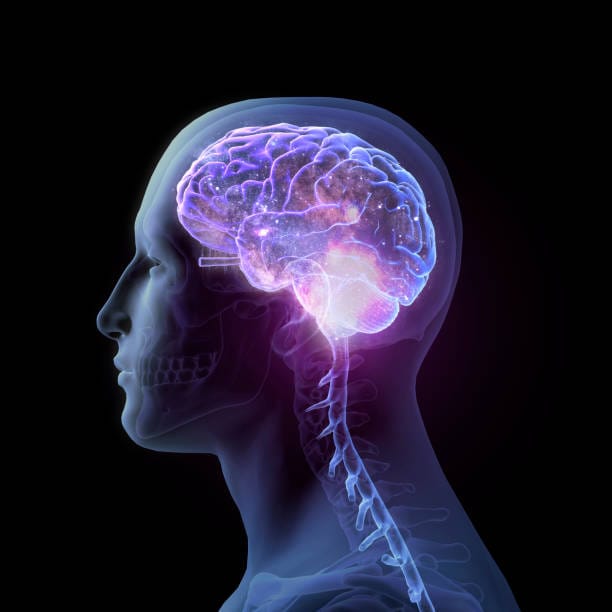
The brain relies on complex networks of nerve cells to regulate mood, motivation, memory, stress responses, sleep, and reward. These networks communicate through electrical signals and chemical messengers called neurotransmitters.
Serotonin, norepinephrine, and dopamine are among the neurotransmitters involved in functions relevant to depression. Serotonin contributes to several processes, including mood regulation and sleep. Norepinephrine is involved in alertness and attention, while dopamine contributes to motivation, learning, and the experience of reward.
Depression is associated with changes in the functioning of brain systems involved in these processes. However, it is inaccurate to explain depression simply as a chemical imbalance or a lack of one particular neurotransmitter. Scientists have not established a single chemical abnormality that explains all cases of depression.
Antidepressants affect neurotransmitter systems, but their therapeutic effects involve more complex changes in brain signaling and adaptation over time. The fact that a medication influences a neurotransmitter does not prove that depression is caused by a deficiency of that chemical.
Research also examines changes in neural connections, stress-response systems, inflammation, and the brain’s ability to adapt to experience. These areas may help explain different aspects of depression, but no single mechanism accounts for every case.
Genetics and family history
Depression can run in families. People with close relatives who have experienced depression tend to have a higher risk of developing it themselves. This pattern suggests that genetic factors contribute to vulnerability.
However, depression is not inherited through a single gene in a simple, predictable way. Many genetic variations may contribute small effects, and their influence interacts with environmental experiences.
A family history of depression does not mean a person will inevitably develop the condition. Likewise, someone with no known family history can still experience depression. Genetic susceptibility influences risk rather than determining an individual’s future.
Stress, trauma, and difficult life experiences
Major life events can contribute to the onset of depression. These include the death of a loved one, relationship breakdown, unemployment, financial hardship, serious illness, and prolonged caregiving responsibilities.
Childhood adversity, abuse, neglect, and exposure to violence can also increase vulnerability. Such experiences may influence how a person responds to stress, interprets threats, regulates emotions, and forms relationships later in life.
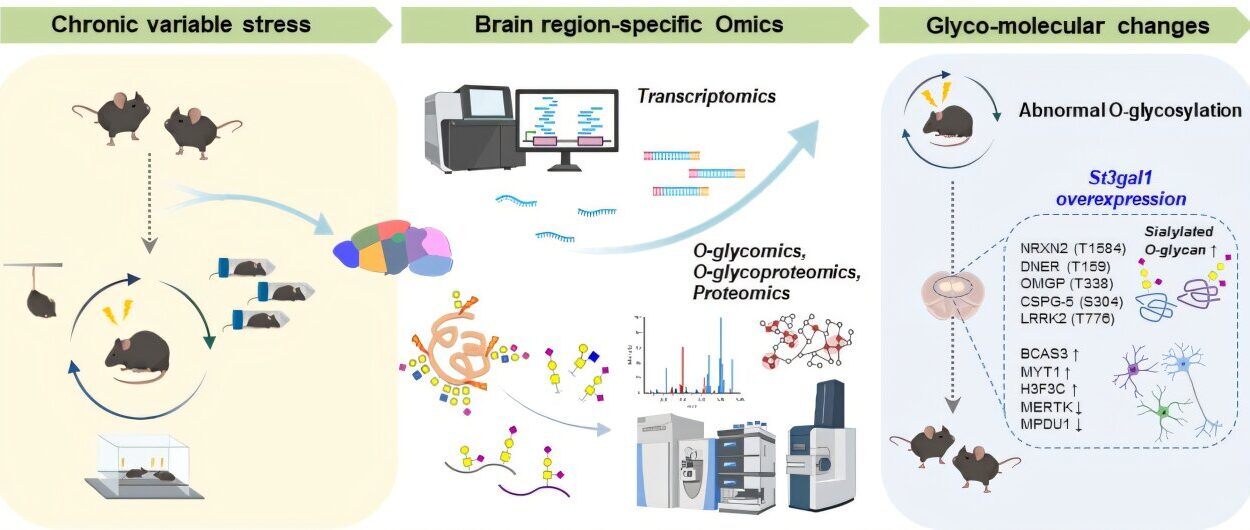
Chronic stress can affect the body’s stress-response systems, including hormonal pathways that help prepare the body to respond to challenges. When stress is prolonged, sleep, concentration, energy, and emotional regulation may suffer.
Nevertheless, stressful experiences do not inevitably lead to depression. Many people recover from difficult circumstances without developing a depressive disorder, while others develop depression without a clearly identifiable triggering event. Individual vulnerability, available support, prior experiences, and other factors all matter.
Psychological patterns and learned responses
Certain patterns of thinking can contribute to depression or make it more persistent. These may include harsh self-criticism, excessive guilt, pessimistic expectations, and a tendency to interpret setbacks as permanent evidence of personal inadequacy.
For example, someone who makes a mistake at work may conclude that the mistake proves they are incompetent rather than recognizing it as an isolated event. Repeated interpretations of this kind can reinforce hopelessness and reduce motivation.
Rumination is another common pattern. It involves repeatedly thinking about distressing experiences, perceived failures, or unanswered questions without moving toward a useful solution. Rumination can intensify negative emotions and make it harder to engage in activities that might improve mood.
These patterns are not necessarily conscious choices. Depression itself can make negative information seem more convincing and positive experiences harder to recognize. Psychological treatments help people identify and change unhelpful patterns without dismissing the genuine difficulties they face.
Medical conditions, medications, and substance use
Some physical illnesses can contribute to depressive symptoms. Thyroid disorders, neurological conditions, chronic pain, and other medical problems may affect mood directly or indirectly through fatigue, sleep disruption, reduced mobility, and ongoing stress.
Certain medications can also influence mood. Alcohol and other substances may worsen depressive symptoms, disrupt sleep, interfere with treatment, or complicate the diagnosis. The relationship can run in both directions: some people use substances to cope with depression, while substance use can subsequently deepen their difficulties.
When depression develops alongside a medical condition, clinicians may need to address both. A medical evaluation can help identify potentially treatable contributors and distinguish depression from conditions that resemble it.
Social isolation and environmental pressures
Human well-being is closely connected to relationships, safety, and a sense of belonging. Loneliness, discrimination, unstable housing, financial insecurity, workplace stress, and limited access to health care can contribute to emotional distress and increase vulnerability to depression.
Social support can help protect against some of these pressures, although it cannot guarantee that depression will not occur. A person may have supportive relationships and still experience the condition.
These influences also help explain why depression should not be understood solely as an individual problem. Personal treatment is important, but improving living conditions, reducing harmful stressors, and strengthening social connections can also support recovery.
How depression affects the brain and everyday life
Depression can change the way a person processes information, responds to rewards, and manages everyday demands. These effects help explain why the condition often persists even when someone genuinely wants to feel better.
One important feature is anhedonia, the reduced ability to experience interest or pleasure. Activities that once felt satisfying may seem effortful or emotionally flat. This can reduce motivation to socialize, exercise, pursue hobbies, or complete responsibilities.
When rewarding experiences become less frequent, a person may lose opportunities for connection, enjoyment, and a sense of accomplishment. Withdrawal can then reinforce low mood, creating a cycle in which depression reduces activity and reduced activity further limits positive experiences.
Depression can also affect attention and decision-making. A person may find it difficult to organize tasks, evaluate options, or remember information. These difficulties can create problems at school or work and may lead to misunderstandings in relationships.
Negative thinking can become self-reinforcing. Someone who feels hopeless may interpret an ordinary setback as proof that nothing will improve. That interpretation can make future efforts seem pointless, even when meaningful options remain available.
The physical effects can compound these problems. Fatigue may make it harder to exercise or prepare meals, while disrupted sleep can worsen concentration and emotional regulation. Reduced activity and irregular routines may then make sleep and mood more difficult to stabilize.
Depression can also affect family members, partners, and friends. Withdrawal may be mistaken for indifference, while irritability or reduced communication may strain relationships. Explaining that depression can change energy, motivation, and emotional responsiveness may help others understand the behavior without assuming it reflects a lack of care.
These effects are not necessarily permanent. With appropriate treatment and time, many people experience improvements in mood, motivation, concentration, relationships, and daily functioning.
How depression is diagnosed
Depression is diagnosed through a clinical assessment rather than a single blood test, brain scan, or questionnaire. A health care professional considers symptoms, their duration, their severity, and how they affect daily life.
The assessment usually includes questions about mood, interest, sleep, appetite, energy, concentration, guilt, and thoughts of death or suicide. Clinicians may also ask when symptoms began, whether they have occurred before, and whether there have been periods of unusually elevated mood or increased energy.
A history of mania or hypomania is particularly important because it may indicate bipolar disorder rather than major depressive disorder. This distinction affects treatment decisions.
Clinicians may also ask about medical conditions, medications, alcohol or other substance use, recent stressors, and family history. Depending on the circumstances, a physical examination or laboratory tests may help investigate conditions that can mimic or contribute to depression.
Screening questionnaires can help identify people who may need further evaluation. However, a screening result alone does not establish a diagnosis. A person may score highly because of depression, another medical or psychiatric condition, or a combination of factors.
The assessment also considers whether symptoms cause clinically significant distress or interfere with relationships, work, school, or self-care. Symptoms that appear similar on the surface may have different underlying causes and require different approaches.
Seeking an assessment is worthwhile even when symptoms do not clearly meet the criteria for major depressive disorder. Less severe symptoms can still cause substantial distress, and early support may prevent problems from becoming more difficult to manage.
What are the treatment options for depression?
Depression treatment aims to reduce symptoms, restore daily functioning, improve quality of life, and lower the risk of recurrence. Effective options include psychotherapy, antidepressant medication, lifestyle interventions, and, in some circumstances, brain stimulation treatments.
There is no single best treatment for everyone. Decisions depend on symptom severity, previous episodes, other health conditions, potential side effects, access to care, and personal preferences. For some people, one treatment is sufficient; others benefit from a combination.
Treatment may take time. Improvement is often gradual rather than immediate, and the first approach may need to be adjusted if symptoms do not improve enough or side effects become difficult to tolerate.
Psychotherapy
Psychotherapy, often called talk therapy, involves working with a trained professional to understand emotional difficulties, change unhelpful patterns, develop coping skills, and improve functioning. Several forms of psychotherapy have evidence supporting their use for depression.
Cognitive behavioral therapy (CBT) helps people identify connections among thoughts, feelings, and behaviors. A therapist may help a person recognize overly negative interpretations, evaluate them more realistically, and develop more useful responses to stressful situations.
CBT may also include behavioral activation, an approach that encourages people to gradually reengage with meaningful or rewarding activities. This is particularly relevant when depression leads to withdrawal and reduced activity. The goal is not to force happiness but to rebuild patterns of behavior that support functioning and create opportunities for positive experiences.
Interpersonal psychotherapy focuses on relationship difficulties, grief, role transitions, and other interpersonal problems that may contribute to depression. Improving communication and addressing conflicts can reduce distress and strengthen social support.
Other structured therapies may also be helpful, depending on the person’s needs and the therapist’s training. The quality of the therapeutic relationship, the appropriateness of the approach, and the person’s ability to participate can influence outcomes.
Psychotherapy can be used on its own for many cases of mild to moderate depression and in combination with medication for more severe or persistent symptoms. It can also help people recognize warning signs and develop strategies for preventing future episodes.
Antidepressant medications
Antidepressants are medications used to treat depression and certain other mental health conditions. They influence chemical signaling and related processes in the brain, although their full therapeutic effects are more complex than simply correcting a chemical deficiency.
Selective serotonin reuptake inhibitors (SSRIs) are commonly prescribed antidepressants. They increase the availability of serotonin between nerve cells by reducing its reabsorption. Other antidepressants affect norepinephrine, dopamine, or combinations of neurotransmitter systems.
Different medications have different potential benefits, side effects, interactions, and precautions. The choice depends on factors such as symptom patterns, other medications, medical history, previous treatment responses, and individual preferences.
Antidepressants generally do not produce immediate relief. Some people notice changes within the first few weeks, while fuller benefits may take several weeks or longer. Sleep, appetite, energy, and concentration may improve at different rates from mood.
Side effects vary by medication and individual. They may include nausea, digestive changes, headaches, sleep disturbances, sexual difficulties, or changes in appetite. Some side effects lessen over time, while others may require a change in dose or medication.
People should discuss concerns and side effects with their prescriber rather than stopping treatment abruptly. Discontinuing certain antidepressants suddenly can cause withdrawal-like symptoms, and a gradual, medically guided reduction may be needed.
Antidepressants are not addictive in the same way as substances that produce compulsive drug-seeking, but the body can adapt to them, making careful discontinuation important. Whether and when to stop treatment depends on the course of the illness, the risk of recurrence, and the person’s response.
For people who respond well, continuing medication for a period after symptoms improve can reduce the risk of relapse. Those with recurrent or persistent depression may benefit from longer-term treatment under clinical supervision.
Lifestyle changes and daily habits
Lifestyle changes can support depression treatment, although they should not be presented as a guaranteed cure or a substitute for necessary professional care. Depression itself can make these changes difficult, so small, realistic steps are often more useful than ambitious goals.
Regular physical activity can improve mood and overall health. Exercise may influence sleep, stress regulation, and brain processes involved in emotional well-being. Walking, cycling, swimming, or other activities suited to a person’s abilities can be helpful. Starting with a short, manageable period of movement may be more practical than aiming immediately for an intensive routine.
Consistent sleep and wake times can help stabilize daily rhythms. A calming bedtime routine, reduced late-night stimulation, and attention to sleep-disrupting habits may help, although persistent insomnia or excessive sleepiness may require clinical assessment.
Regular meals can support energy and general health, particularly when depression disrupts appetite. A balanced dietary pattern that includes vegetables, fruits, whole grains, protein sources, and healthy fats supports physical well-being. No single food or diet has been established as a universal treatment for depression.
Reducing alcohol and avoiding nonprescribed psychoactive substances may improve sleep, mood stability, and treatment effectiveness. People who use substances heavily should seek medical advice before stopping abruptly, because withdrawal from some substances can be dangerous.
Maintaining social contact can also help. Depression may make responding to messages or leaving home feel overwhelming, so brief conversations, shared meals, or regular contact with a trusted person may be more achievable than large social commitments.
These measures are most effective when adapted to the individual’s circumstances. Someone experiencing severe fatigue may need a different starting point from someone who is already physically active. Progress should be judged by sustainable improvements rather than perfection.
Treatment for severe or treatment-resistant depression
Some people experience severe depression, substantial impairment, or symptoms that persist despite trying appropriate treatments. In these situations, more intensive or specialized care may be needed.
Electroconvulsive therapy (ECT) is a medical treatment in which controlled electrical stimulation produces a brief seizure under general anesthesia. It can be highly effective for certain severe depressive episodes, particularly when a rapid response is needed or other treatments have not worked. It may also be considered when depression involves psychosis or poses an immediate threat to life. Temporary confusion and memory difficulties are possible side effects and should be discussed with the treating team.
Repetitive transcranial magnetic stimulation (rTMS) uses magnetic pulses to stimulate specific areas of the brain involved in mood regulation. It does not require general anesthesia and is used for some people whose depression has not improved sufficiently with standard treatments.
Ketamine and esketamine are additional options in selected clinical settings. They act through mechanisms that differ from those of conventional antidepressants and may reduce depressive symptoms relatively quickly in some patients. Their use requires careful assessment and monitoring because of potential side effects, safety considerations, and the possibility that benefits may not be sustained without continued treatment.
Treatment-resistant depression generally refers to depression that has not responded adequately to at least two appropriate antidepressant treatments, although definitions and clinical circumstances vary. Before concluding that depression is treatment-resistant, clinicians may review the diagnosis, treatment duration, medication dose, adherence, coexisting conditions, substance use, and the suitability of previous therapies.
Failure of one treatment does not mean that recovery is impossible. Adjusting medication, switching treatments, combining psychotherapy with medication, or considering specialized interventions may improve outcomes.
How long does depression last?
The duration of depression varies. Some depressive episodes improve over several months, while others persist longer or recur after a period of recovery. The course depends on factors such as symptom severity, previous episodes, coexisting health conditions, ongoing stress, and access to effective treatment.
Some people experience a single episode and do not have another. Others experience recurrent depression, in which symptoms return after a period of improvement. Persistent depressive disorder involves a longer-lasting pattern of depressed mood, sometimes accompanied by episodes of more severe symptoms.
Treatment can shorten the duration of an episode, reduce its impact, and help prevent recurrence. However, recovery does not always occur in a straight line. Symptoms may improve unevenly, and temporary setbacks do not necessarily indicate that treatment has failed.
It is also important to distinguish between response, remission, and recovery. A response means symptoms have improved substantially. Remission means symptoms have become minimal or absent. Recovery generally refers to a more sustained period of remission and improved functioning.
Even after symptoms improve, continued treatment or follow-up may be appropriate, particularly for people who have experienced multiple episodes or severe depression. A plan for recognizing early warning signs can help a person seek support before symptoms become overwhelming.
Can depression be prevented?
Depression cannot always be prevented. Its development reflects multiple interacting factors, some of which, such as genetic susceptibility and certain life events, are beyond an individual’s control.
Nevertheless, several measures may reduce vulnerability or help limit the impact of depressive symptoms. Maintaining supportive relationships, addressing chronic stress, getting adequate sleep, engaging in regular physical activity, and seeking help for emerging symptoms can all contribute to well-being.
Psychological support may be especially useful during periods of major change, grief, illness, or prolonged stress. Learning to recognize rumination, excessive self-criticism, and early changes in sleep or motivation can help people respond before difficulties intensify.
People who have experienced depression previously may benefit from continuing recommended treatment and monitoring early signs of recurrence. These signs can include withdrawing from others, losing interest in activities, sleeping differently, or becoming increasingly hopeless.
Prevention should not be confused with personal responsibility for the illness. A person can follow healthy routines and still develop depression. Likewise, the onset of depression does not prove that someone failed to cope properly with stress.
The aim is to reduce avoidable risks, strengthen available support, and make effective care accessible when symptoms appear.
When to seek professional help
Professional help is appropriate when low mood, loss of interest, fatigue, sleep changes, or other symptoms persist, worsen, or interfere with daily functioning. It is not necessary to wait until symptoms become severe or meet every diagnostic criterion.
A primary care clinician can begin an assessment, evaluate possible physical contributors, and discuss treatment options. A mental health professional, such as a psychologist, psychiatrist, or licensed therapist, can provide more specialized evaluation and care.
Seeking help is particularly important when symptoms affect work, school, relationships, eating, sleeping, or the ability to care for oneself. Friends and family can offer valuable support, but they should not be expected to diagnose or treat depression on their own.
Thoughts of suicide or self-harm require prompt attention. If someone is in immediate danger, has taken steps to harm themselves, or cannot stay safe, call 911 in the United States or go to the nearest emergency department. In the United States, calling or texting 988 connects people with the Suicide and Crisis Lifeline for support during a mental health crisis. A person who may be at immediate risk should not be left alone if it is safe to remain with them while emergency help is arranged.
Depression can make it difficult to imagine that circumstances will improve. That feeling is a symptom, not a reliable prediction of the future. With appropriate assessment, evidence-based treatment, and support, many people experience substantial improvement and return to meaningful, satisfying lives.