The limbic system is a group of interconnected brain structures that help you process emotions, form memories, recognize threats, and respond to experiences that matter to your survival and well-being. It contributes to feelings such as fear, pleasure, and attachment while helping connect those feelings to memories, bodily reactions, and decisions. Rather than operating as a single emotional control center, however, it works as part of a much larger network that includes regions involved in thinking, perception, movement, and regulating the body’s internal state.
This network helps explain why a familiar song can bring back a powerful memory, why a sudden noise can make your heart race, and why an emotionally charged experience can remain vivid long after ordinary details have faded. Understanding the limbic system reveals how the brain combines emotion, memory, motivation, and physical responses to guide behavior.
What is the limbic system?
The limbic system is a term used to describe several interconnected brain structures involved in emotion, memory, motivation, and related processes. The word limbic comes from a term meaning border or boundary, reflecting the location of some of these structures around parts of the brain’s inner regions.
There is no single, universally agreed-upon list of structures that belong to the limbic system. The concept developed over time as scientists identified connections between different brain regions and their roles in emotional behavior. Some descriptions emphasize a relatively small collection of structures, while others include a broader network of regions involved in memory, attention, and bodily regulation.
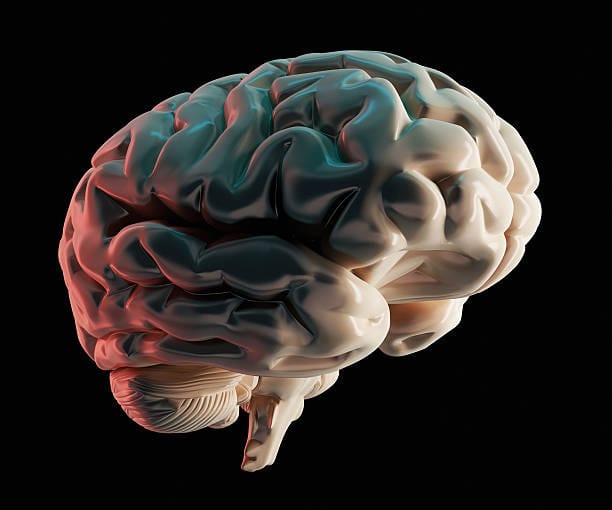
The amygdala, hippocampus, hypothalamus, and parts of the cingulate cortex are commonly associated with the limbic system. Other regions, including areas of the thalamus and the ventral striatum, are also connected to its functions. The prefrontal cortex, which plays a major role in planning, judgment, and emotional regulation, interacts closely with these structures even though it is not always classified as part of the limbic system.
These regions do not perform their tasks independently. They exchange information through complex neural circuits, allowing the brain to evaluate a situation, retrieve relevant memories, generate bodily responses, and select an appropriate action. Emotion emerges from this coordinated activity rather than from one isolated brain structure.
The major structures and what they do
Each major structure associated with the limbic system contributes something different to the processing of emotion, memory, and motivation. Their functions overlap, and the same structure may participate in several processes depending on the situation.
The amygdala: Evaluating emotional significance
The amygdala consists of two small, almond-shaped groups of nuclei, one in each cerebral hemisphere. It helps the brain detect and learn the significance of important events, especially those involving potential danger, reward, or uncertainty.
When you encounter a threatening situation, the amygdala helps process information about the possible threat and coordinate responses with other brain regions. A sudden movement in your peripheral vision, for example, may prompt you to turn your head, become more alert, or prepare to move before you have consciously identified what you saw.
The amygdala also participates in learning from emotional experiences. If a particular sound repeatedly precedes something frightening, the brain can learn to respond to that sound in anticipation of danger. This process, called fear conditioning, helps organisms prepare for threats based on previous experience.
Despite its reputation as the brain’s fear center, the amygdala is not responsible for fear alone. It contributes to processing positive and negative experiences, recognizing emotionally relevant information, and learning which cues deserve attention. Its activity depends on context and interacts with many other brain systems.
The hippocampus: Connecting emotion with memory
The hippocampus, a curved structure located deep within the temporal lobe of each hemisphere, is essential for forming many types of new memories, particularly memories of events and their surrounding context.
It helps you remember where something happened, what occurred before it, and how different details fit together. This contextual information is important for emotional responses because the same stimulus can mean different things in different environments.
A barking dog, for instance, might be harmless in a familiar park but alarming if it reminds you of a previous attack. The hippocampus helps represent the context in which an experience occurs, while interacting with the amygdala and other regions that process its emotional significance.
The hippocampus also supports learning and navigation. It helps construct representations of places and relationships among events, allowing experiences to be organized into meaningful memories.
Emotional experiences can influence how memories are formed, but emotion does not guarantee accuracy. A frightening or exciting event may feel exceptionally vivid while still containing mistaken or incomplete details. Memory is a reconstructive process, not a perfect recording of the past.
The hypothalamus: Linking the brain to the body
The hypothalamus is a small region near the base of the brain that helps maintain the body’s internal balance, a condition known as homeostasis. It regulates functions such as body temperature, hunger, thirst, sleep-related rhythms, and aspects of reproductive behavior.
It also connects emotional processing to physical responses. When the brain detects danger, the hypothalamus can help activate systems that increase alertness and prepare the body for action. Heart rate may rise, breathing may change, and energy becomes more readily available.
The hypothalamus coordinates with the autonomic nervous system, which regulates involuntary functions such as heart rate and digestion. It also influences the endocrine system, the body’s network of hormone-producing glands.
Through its connections with the pituitary gland and other hormonal pathways, the hypothalamus helps regulate the release of hormones involved in stress and other physiological processes. These functions make it an important link between emotional experiences and the body’s changing internal state.
The cingulate cortex: Integrating emotion, attention, and action
The cingulate cortex is a strip of cortex that curves around part of the brain’s inner surface. Different portions participate in different functions, including emotional processing, attention, motivation, pain processing, and the monitoring of actions.
Some regions help identify when a situation requires effort or a change in behavior. Others contribute to the emotional and motivational aspects of physical pain, social experiences, and conflict between competing responses.
Imagine trying to concentrate on an important task while feeling anxious about an unresolved problem. Networks involving the cingulate cortex help allocate attention, evaluate competing demands, and support adjustments in behavior.
The cingulate cortex does not simply generate emotions. It helps integrate emotional information with attention and action, supporting flexible responses as circumstances change.
The thalamus and other connected regions
The thalamus serves as a major relay and processing center for information traveling between many parts of the brain. It helps direct sensory information toward appropriate cortical regions and participates in circuits involved in attention, memory, and emotion.
Other connected structures contribute to motivation and learning. The ventral striatum, for example, helps process reward-related information and supports behaviors directed toward desirable outcomes. It interacts with dopamine-producing regions that help the brain learn from rewards, expectations, and changes in outcomes.
Together, these structures help transform information about the world and the body’s condition into patterns of attention, feeling, learning, and action.
How the limbic system processes emotions
Emotions do not arise through a single, fixed sequence of events. They emerge from interactions among brain systems that evaluate information, use past experience, monitor bodily conditions, and prepare responses.
Consider hearing a loud crash in your home. Your brain rapidly processes the sound and evaluates whether it may signal danger. Depending on the circumstances, networks involving the amygdala may contribute to heightened vigilance, while the hypothalamus and brainstem help coordinate changes in heart rate, breathing, and muscle readiness.
At the same time, other brain regions help identify the sound, assess its source, and retrieve relevant knowledge. You may initially feel startled, then recognize that a book fell from a shelf. As the situation becomes clearer, the response can subside.
This example illustrates several important principles. First, emotional processing can begin before conscious identification is complete. Second, emotional responses depend on context and prior learning. Third, bodily reactions, conscious feelings, and deliberate decisions are related but distinct processes.
The brain also continuously updates its interpretation of events. New information can strengthen an emotional response, reduce it, or change its meaning. A sound associated with danger in one setting may become unremarkable when it repeatedly occurs in a safe environment.
Emotion therefore involves more than detecting a stimulus. It includes assessing significance, predicting possible outcomes, coordinating physiological changes, directing attention, and influencing what happens next.
Why emotions affect memory
Emotion can influence what you notice, what you learn, and which experiences you remember later. This relationship is particularly important when an event has strong personal significance.
When an experience is emotionally arousing, interactions between the amygdala, hippocampus, and other memory-related regions can influence how information is encoded and consolidated. Consolidation is the process through which newly formed memories become more stable over time.
Stress-related hormones and neurotransmitters can also influence these processes. Depending on their intensity, timing, and context, they may strengthen some aspects of memory while impairing others.
For example, you may remember the central details of a frightening accident while struggling to recall the exact sequence of less important events around it. Emotional arousal can direct attention toward information that seems most relevant, leaving other details less thoroughly encoded.
The effects are not always beneficial. Intense or prolonged stress can interfere with attention and memory formation, and recalling an emotional event does not guarantee that every detail is correct. Expectations, later information, and repeated recollection can alter how a memory is reconstructed.
The hippocampus is particularly important for remembering the context of experiences, while the amygdala can influence how strongly emotional significance affects memory processing. Their interaction helps explain why memories can carry a powerful emotional charge long after the original event has passed.
How the limbic system responds to stress
Stress is the body’s response to a challenge or demand. It can arise from immediate physical danger, social conflict, uncertainty, or the anticipation of a difficult event. The limbic system contributes to evaluating these situations and coordinating the responses that help the body cope.
One important pathway involves the hypothalamus, the pituitary gland, and the adrenal glands. Known as the hypothalamic-pituitary-adrenal, or HPA, axis, this system helps regulate hormonal responses to stress.
When the brain interprets a situation as threatening or demanding, the hypothalamus releases a signaling hormone that prompts the pituitary gland to release another hormone into the bloodstream. This signal stimulates the adrenal glands to produce cortisol, a hormone that helps regulate energy availability, metabolism, immune activity, and other functions during stress.
Another pathway involves the sympathetic nervous system, which can rapidly increase alertness and prepare the body for action. It helps produce changes such as a faster heartbeat, increased sweating, and the release of stored energy. These responses can be useful when a challenge requires immediate attention or physical effort.
Once the demand passes, regulatory mechanisms help the body return toward its usual state. The timing and strength of this recovery vary according to the situation and the individual.
Short-term stress responses can be adaptive, but persistent stress may disrupt sleep, attention, mood, and memory. Prolonged exposure to stress-related physiological changes can also affect brain systems involved in learning and emotional regulation. The effects depend on factors such as the duration and intensity of stress, individual vulnerability, and available support.
Stress is not simply a matter of the amygdala switching on. It involves coordinated activity across the brain, nervous system, and endocrine system, with feedback mechanisms that help adjust the response as circumstances change.
The limbic system, motivation, and reward
Emotion is closely connected to motivation: the processes that energize and direct behavior toward or away from particular outcomes. The brain continually learns which actions are likely to produce desirable results, reduce discomfort, or meet basic needs.
Reward-related circuits include the ventral striatum and its connections with the prefrontal cortex and dopamine-producing regions. Dopamine is a neurotransmitter, a chemical messenger that allows neurons to communicate. It plays an important role in learning, motivation, and updating expectations about outcomes.
Dopamine is often described as the brain’s pleasure chemical, but this description is misleading. Dopamine contributes to the processes that help an organism learn which outcomes are worth pursuing and which actions may lead to them. The subjective enjoyment of an experience involves additional systems and cannot be reduced to dopamine alone.
Suppose you practice a musical instrument and gradually improve. Feedback from successful practice helps your brain learn which actions lead to better performance. Reward-related circuits contribute to reinforcing useful behavior, while prefrontal regions help maintain long-term goals and resist distractions.
Motivation can also be shaped by hunger, thirst, social connection, curiosity, and the desire to avoid harm. These influences interact with memories, expectations, and the current environment.
The result is not a simple system that makes you pursue pleasure and avoid pain. Motivation reflects a balance among competing goals, learned associations, bodily needs, expected outcomes, and the effort required to act.
How the prefrontal cortex helps regulate emotion
Emotional responses can be rapid and powerful, but they are not entirely beyond conscious influence. The prefrontal cortex, located toward the front of the brain, helps evaluate situations, consider consequences, maintain goals, and adjust behavior in response to changing circumstances.
It communicates with the amygdala, hippocampus, and other regions involved in emotional processing. Through these interactions, a person may reinterpret a stressful event, shift attention away from an unhelpful thought, or choose not to act on an immediate impulse.
Imagine receiving an unexpectedly critical message. Your first reaction may be anger or embarrassment. After pausing to consider the circumstances, you may decide that the message was poorly worded rather than intentionally hostile. This change in interpretation can alter the emotional response and influence how you reply.
Psychologists often call one such strategy cognitive reappraisal: changing how a situation is understood in order to change its emotional impact. Other strategies include redirecting attention, solving the underlying problem, and adjusting behavior to avoid making a difficult situation worse.
Emotional regulation does not mean suppressing every feeling or allowing rational thought to overpower emotion. Emotions can provide useful information about needs, risks, and personal values. Effective regulation involves recognizing those signals while choosing a response appropriate to the circumstances.
The prefrontal cortex also develops over an extended period, particularly in the networks supporting planning and self-control. This development helps explain why emotional regulation and impulse control often change from childhood through adolescence and into adulthood. However, development varies among individuals, and emotional behavior depends on far more than age alone.
How the limbic system develops and changes
The brain’s emotional and memory systems develop through childhood and adolescence and continue to adapt throughout adulthood. Genes, experience, learning, relationships, and the surrounding environment all influence how these systems function.
Early experiences help shape how the brain learns to recognize safety, respond to uncertainty, and form expectations about other people. Consistent care and predictable environments can support the development of emotional regulation, while repeated adversity may influence stress responses and patterns of attention. These effects are not inevitable or identical for everyone.
Learning also changes neural connections. When experiences repeatedly activate particular circuits, the strength and organization of those connections can change. This capacity for experience-dependent change is part of neuroplasticity, the brain’s ability to adapt in response to learning and experience.
In adulthood, the brain continues to learn from new environments, relationships, and challenges. Memories can be updated, emotional associations can change, and responses that once seemed automatic can become more flexible with practice.
Sleep is important to these processes because it supports memory consolidation and helps regulate attention and emotional responses. Physical activity, social connection, and effective management of stress can also support overall brain health, although no single habit controls the limbic system or guarantees a particular emotional outcome.
The brain’s capacity to change is substantial, but it has limits. The effects of experience depend on timing, duration, individual biology, and many other factors. Some patterns of emotional learning may require sustained effort and, in certain circumstances, professional treatment to change.
What happens when limbic system function is disrupted?
Because the structures associated with the limbic system contribute to several functions, disruption in one region can affect more than one aspect of behavior. The consequences depend on the location and extent of the disruption, the underlying cause, and the condition of connected brain networks.
Damage to the hippocampus can impair the formation of new memories, making it difficult to retain information about recent events. A person may still remember much of their earlier life or retain well-practiced skills while struggling to create new memories of everyday experiences.
Changes affecting the amygdala and its connections can alter emotional learning, threat assessment, or the ability to recognize the significance of certain social cues. These effects vary widely, and they do not mean that a person loses the capacity for emotion altogether.
Disorders affecting brain networks involved in stress, memory, and emotional regulation can also contribute to psychological symptoms. Post-traumatic stress disorder, for example, involves persistent responses to traumatic experiences and changes in how reminders of those experiences are processed. Anxiety and mood disorders likewise involve complex interactions among brain circuits, life experiences, physiology, and psychological factors.
It would be inaccurate, however, to attribute any one mental health condition to a single limbic structure. These conditions are multifaceted, and the same symptom can arise through different combinations of biological and environmental influences. Brain imaging findings may reveal patterns associated with a condition at the group level without providing a simple explanation for an individual person’s experience.
The term limbic system dysfunction can therefore be too broad to explain a particular problem without additional information. Understanding a neurological or psychiatric condition requires considering the specific symptoms, their course over time, other relevant health factors, and the wider networks involved.
Why the limbic system is more than an emotional engine
The limbic system is a useful way to understand how certain brain structures contribute to emotion, memory, motivation, and bodily regulation. Yet the idea of a dedicated emotional engine has limits. Modern neuroscience increasingly emphasizes interconnected networks rather than sharply separated centers for emotion, reasoning, and memory.
The amygdala does not work in isolation to create fear, the hippocampus does not store every memory on its own, and the prefrontal cortex does not operate as a purely rational counterweight to emotion. Each participates in broader circuits whose activity changes with the task, context, and information available.
Emotion and reasoning are not opposites. Feelings help prioritize information, highlight potential consequences, and guide choices, while reasoning can revise emotional interpretations and influence behavior. Memory gives present situations meaning, bodily signals help communicate internal needs, and motivation helps translate priorities into action.
Understanding these relationships offers a more accurate picture of how the brain works. Your emotional life does not originate from one small region hidden deep inside your head. It emerges from the continuous interaction of neural systems that help you interpret the world, learn from experience, respond to challenges, and decide what matters.