Nearly 1,400 years ago, a Langobard woman endured two devastating blows to the head—a sharp blade strike and a crushing impact—and survived long enough for her wounds to heal. Her remains provide the first direct archaeological evidence of interpersonal violence against a Langobard woman, raising new questions about gender, conflict, and survival in an early medieval society long associated with male warriors.
For decades, the story told by Langobard skeletons seemed remarkably consistent: violence belonged to men. Graves across Italy and parts of what is now Hungary revealed weapons, battle-related injuries, and skull fractures, but every confirmed case of interpersonal violence appeared to involve male individuals.
Then researchers examined the remains of a woman known as T46.
Buried nearly 1,400 years ago, she carried unmistakable signs of a violent encounter. More importantly, she survived it.
The discovery, published in the International Journal of Paleopathology, provides the first direct physical evidence that Langobard women were also victims—or possibly participants—in acts of interpersonal violence.
A Discovery Hidden in Damaged Remains
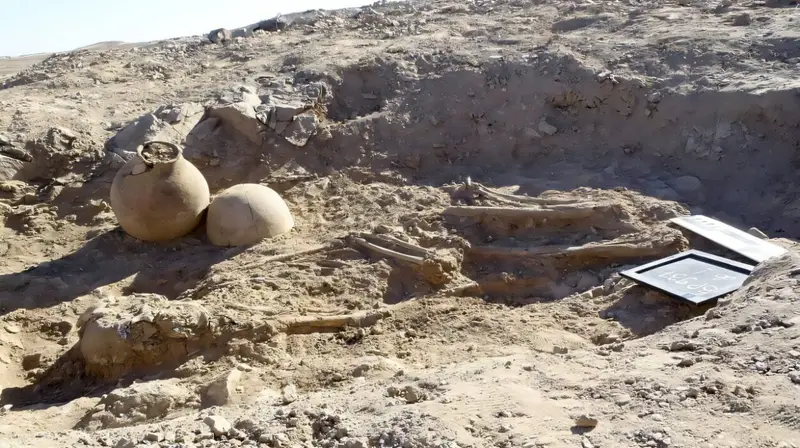
T46 was uncovered during an emergency excavation in 2012 at the Ferrovia cemetery in Cividale del Friuli, the site of the first Langobard duchy in Italy.
The excavation was carried out as part of urban redevelopment work, but the recovered skeleton was far from complete. Later burials had cut through the grave, leaving many of the bones fragmented and damaged.
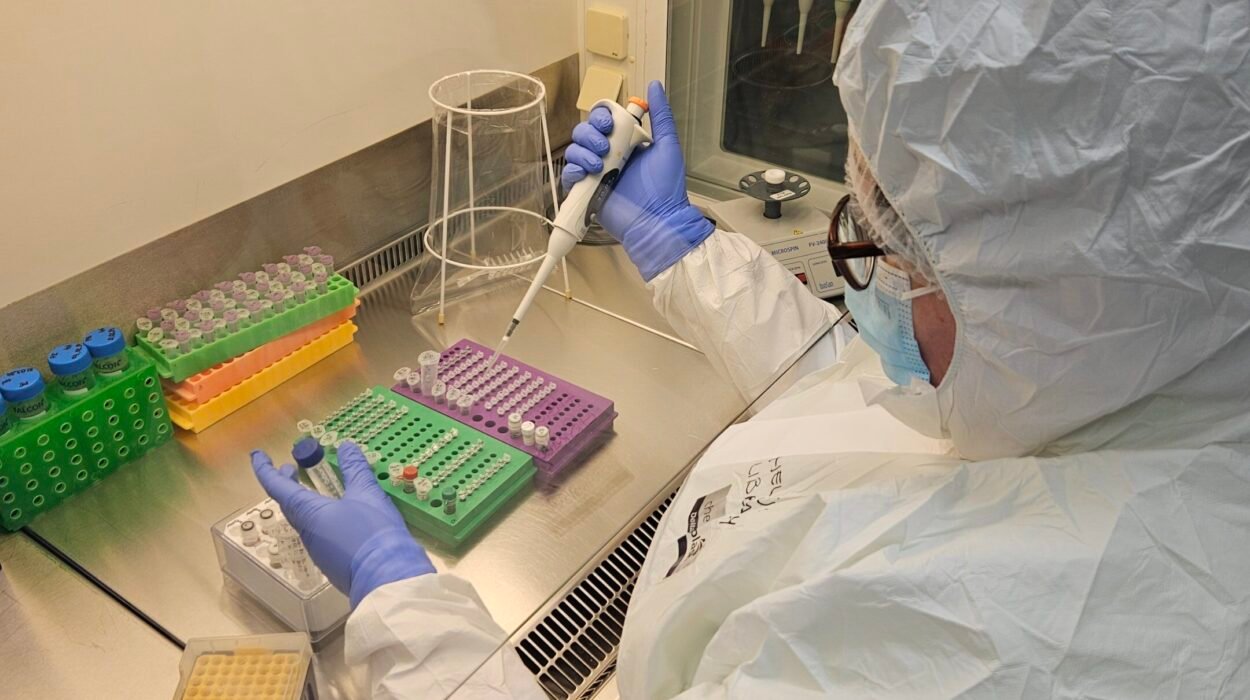
Because of the poor condition of the remains, researchers could not reliably determine the individual’s sex using traditional skeletal methods. Instead, they turned to protein analysis, which confirmed that T46 was female.
That identification would prove crucial.
Two Violent Blows to the Head
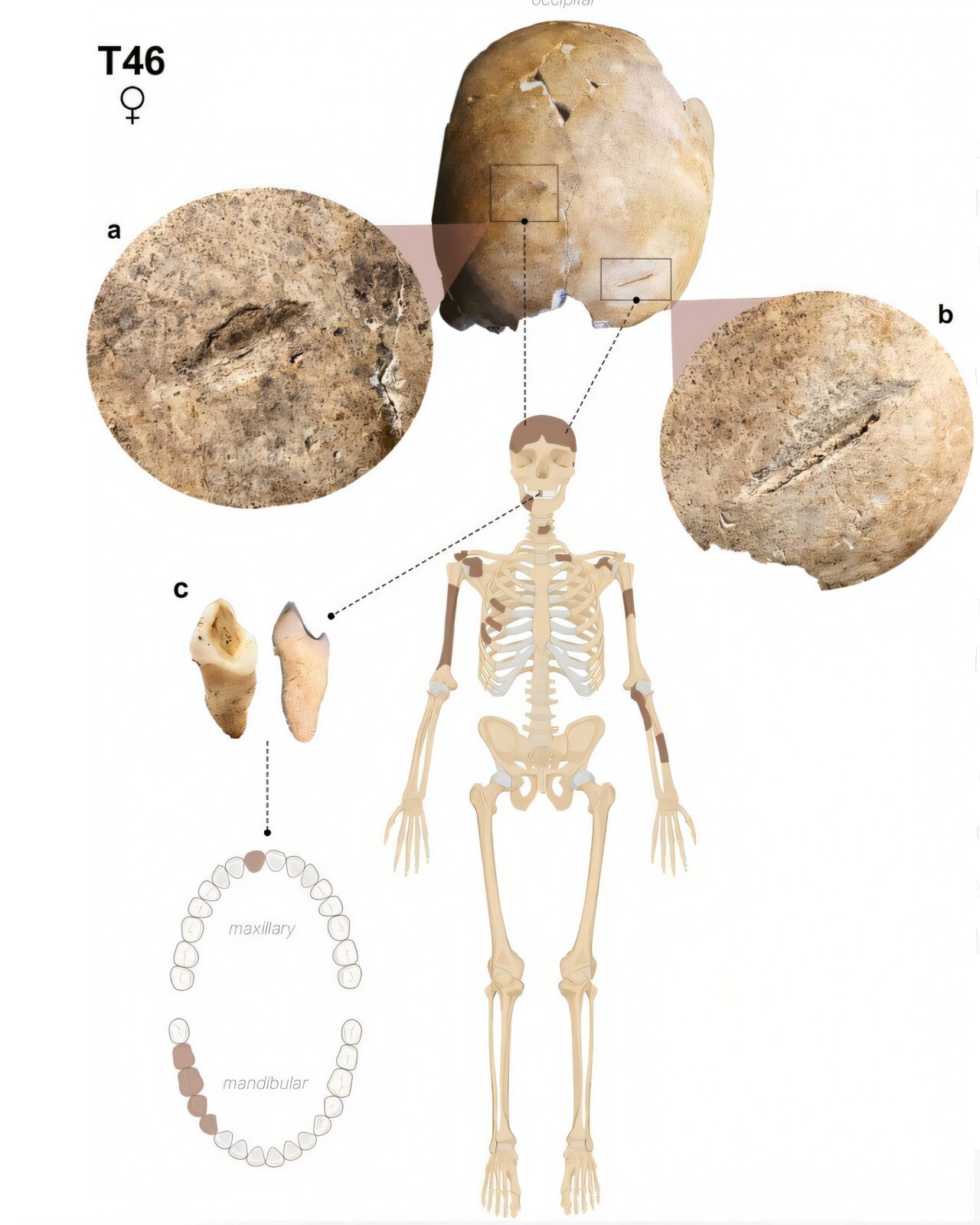
Researchers found clear evidence of severe trauma on T46’s forehead.
One injury appeared as a narrow cut on the left side of the forehead. The shape, depth, and angle of the wound suggested it was inflicted by a bladed weapon. The attacker likely stood in front of her and struck downward toward her head.
According to the researchers, the weapon may have resembled a scramasax, a long knife commonly associated with Germanic warriors.
The second injury was very different. It involved a crushing fracture consistent with a blow from a blunt, flat object, potentially something like a stone.
The wounds were not only severe but also distinct, indicating at least two separate impacts.
What makes the case especially remarkable is that both injuries showed evidence of healing.
Evidence She Lived for Years Afterward
The injuries were serious enough to leave lasting marks on the skull, yet the bone revealed signs of recovery.
Researchers observed healing around the wounds, demonstrating that T46 survived the attack and lived for years afterward. One of the injuries even showed evidence of infection, suggesting that her recovery was likely difficult and prolonged.
The findings indicate that she received some form of care and support following the violent event.
Without assistance, surviving such significant head trauma would have been far more challenging.
A Puzzle in the Archaeological Record
To understand how unusual T46’s injuries were, researchers compared her remains with other known Langobard cases involving head trauma.
They identified 33 individuals with similar cranial injuries from Langobard sites in Italy and present-day Hungary.
Every one of them was male.
That pattern has long shaped interpretations of Langobard society, reinforcing the view that warfare and physical violence were overwhelmingly male experiences.
Yet historical documents have always complicated that picture.
Historical Laws Suggest Women Were Not Excluded From Violence
While skeletal evidence pointed almost exclusively toward male victims, Langobard legal texts tell a different story.
According to study co-author Valentina Martinoia of the University of Udine, the Edictum Rothari contains multiple provisions dealing with violence involving women.
The laws address a range of situations, including husbands killing wives and women becoming involved in violent confrontations. One legal provision even describes circumstances in which men sent women to fight on their behalf.
These records suggest that violence affecting women was recognized within Langobard society. Until now, however, archaeologists had never found physical evidence supporting those written accounts.
T46 changes that.
Why Are Injured Women So Rare in the Evidence?
The researchers caution that the reasons behind T46’s injuries remain uncertain.
They cannot determine exactly what happened to her or whether the wounds resulted from warfare, a personal dispute, or another violent encounter.
However, they propose several possible explanations for why female cases are so rare in the archaeological record.
Women may have participated less frequently in raids and armed conflicts, activities more likely to produce injuries that leave lasting marks on bone. In addition, violence directed at women may often have involved injuries to soft tissues, which rarely survive archaeologically.
As a result, many cases of violence against women could remain invisible in skeletal remains.
Opening a New Direction for Research
The researchers believe T46 should serve as a starting point for a broader reassessment of violence in Langobard communities.
Future studies could combine isotopic analysis, ancient DNA, protein analysis, and traditional pathological examinations to identify additional cases that may have been overlooked.
Such work could help reveal whether women affected by violence were local residents or came from elsewhere, while also providing a more complete picture of everyday life in Langobard society.
For now, T46 stands alone as the only known Langobard woman with direct skeletal evidence of interpersonal violence.
Why This Matters
T46’s story highlights how a single discovery can challenge long-standing assumptions about the past. For years, the archaeological evidence suggested that violence among the Langobards was almost exclusively a male phenomenon. Yet one woman’s healed wounds reveal a more complex reality.
Her survival demonstrates not only that women could experience severe interpersonal violence, but also that they may have received care and support afterward. By bridging the gap between historical texts and physical evidence, T46 offers a rare glimpse into experiences that have largely remained hidden for centuries.
As researchers continue to revisit ancient remains with modern scientific techniques, more forgotten stories like hers may emerge, reshaping our understanding of who experienced violence—and how they endured it—in the early medieval world.