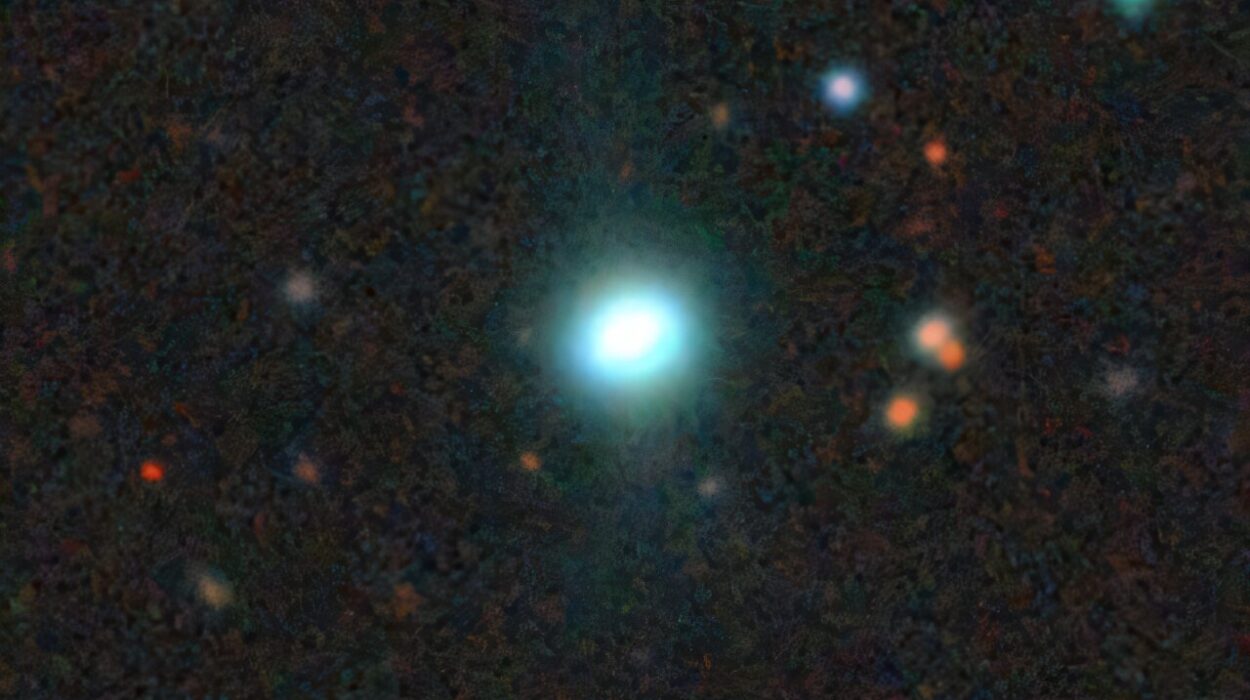
The most massive galaxies seen in the early universe may have contained far more small, faint stars than astronomers previously realized, making some of these ancient galaxies substantially more massive than earlier measurements suggested. The finding comes from James Webb Space Telescope observations that allowed researchers to detect the subtle signatures of low-mass stars hidden beneath the light of much brighter stars.
Faint stars were hidden by brighter ones
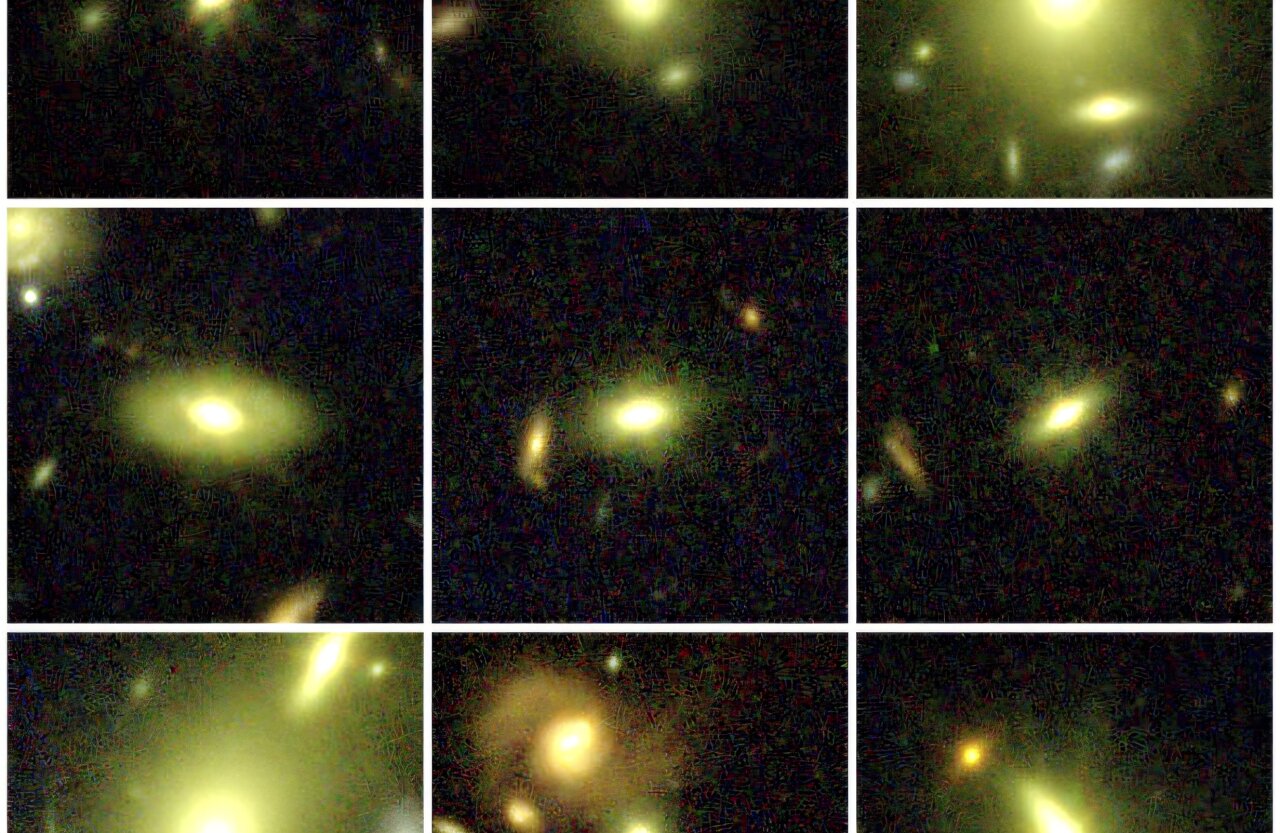
Astronomers studied nine massive, mature galaxies that had stopped forming stars billions of years ago. The team combined extremely deep spectra from the James Webb Space Telescope with earlier observations from the Very Large Telescope.
The goal was to determine the mix of stars inside these distant galaxies, including stars that are much smaller and fainter than the massive stars that dominate a galaxy’s light.
Astronomers can learn about a galaxy’s stars by spreading its light into a spectrum. Small differences in the spectrum can reveal which types of stars are present. But the brightest stars can overwhelm the much weaker signatures produced by low-mass stars.
Lead author Chloe Cheng of Leiden University compared the situation to looking at a city from far away. Bright stars stand out like skyscrapers, while a much larger number of faint stars can remain hidden among them.
The researchers’ models indicate that this hidden population of low-mass stars contains much more mass than previous estimates accounted for.
The galaxies may be much more massive
Astronomers have historically estimated the mass locked in faint stars by assuming that stars form in roughly similar proportions throughout the universe.
The new observations challenge that assumption for the most massive galaxies in the early universe. These galaxies appear to contain a much larger fraction of low-mass stars than less massive galaxies such as the Milky Way.
For one galaxy in the sample, the difference is especially large. It likely formed less than 1.5 billion years after the Big Bang and may be as much as four times more massive than earlier estimates suggested.
The measurements were possible because the JWST provided observations of distant galaxies with the required sensitivity, while the researchers also used high-quality spectra and new analysis techniques to identify the subtle signatures of faint stars.
Co-author Martje Slob of Leiden University said measurements of this kind had not previously been possible because they required a combination of a telescope capable of observing very distant galaxies, exceptionally high-quality spectra and new methods for analyzing the data.
The result adds to the puzzle of early galaxies
Since the launch of JWST, astronomers have found massive, mature galaxies that already existed shortly after the Big Bang. The new results suggest that these galaxies may have been even more massive than initially reported.
Galaxy-formation models now need to account for how such large numbers of low-mass stars could have formed so early in cosmic history.
Mariska Kriek of Leiden University, who led the research, said the result indicates that substantially more mass than previously thought is contained in low-mass stars.
The researchers also noted a possible consequence for planets. Because many planets orbit low-mass stars, the larger population of such stars in these early galaxies could indicate that more planets formed in the early universe than previously assumed.
The team plans to apply the same method to galaxies from even earlier periods. The researchers hope this will allow them to investigate galaxies closer to the time when the first generations of stars and galaxies formed.
The study was published in Nature Astronomy.