Every second of every day, your body performs millions of astonishing tasks without asking for your attention. Your heart beats rhythmically. Billions of cells communicate through intricate chemical signals. Your immune system patrols for threats, your brain processes enormous amounts of information, and countless microscopic reactions keep you alive.
It all feels effortless.
Yet beneath this apparent simplicity lies one of the greatest scientific puzzles ever encountered.
The human body is the most intensively studied biological system in history. Scientists have mapped the human genome, transplanted organs, edited genes, created artificial tissues, and peered inside living cells with astonishing precision. We understand countless biological mechanisms in extraordinary detail.
And still, some of the body’s most fundamental questions remain unanswered.
Why do we dream? Why do some people never develop certain diseases despite carrying high-risk genes? How exactly does consciousness emerge? Why does aging occur at different rates? Why can the placebo effect measurably change biology? How does the brain store decades of memories?
Modern biology often discovers that every answer opens several new mysteries.
These mysteries are not evidence of failure. They are signs that biology is extraordinarily complex. The human body is the product of nearly four billion years of evolution, shaped not by perfect engineering but by countless adaptations layered upon one another.
Here are twenty-five of the most mind-bending mysteries about the human body that scientists are still working to understand.
1. What Is Consciousness?
Perhaps no scientific question is deeper than this one.
Every person experiences consciousness continuously. We see colors, hear sounds, think thoughts, remember the past, imagine the future, and experience emotions.
But how does physical matter create subjective experience?
Neuroscientists know that consciousness depends on brain activity. Damage to certain brain regions can alter awareness. Anesthesia temporarily eliminates conscious experience. Sleep changes conscious states.
Yet none of this explains why electrical and chemical activity inside neurons should produce the feeling of being aware.
This challenge is often called the “hard problem” of consciousness.
Scientists have proposed numerous theories.
Some emphasize global information sharing across brain networks.
Others focus on integrated information.
Still others suggest that consciousness emerges from specific patterns of neural activity.
Each explains certain observations.
None fully explains subjective experience itself.
Despite tremendous progress in neuroscience, consciousness remains one of science’s greatest unsolved mysteries.
2. Why Do We Dream?
Nearly everyone dreams.
Some dreams are vivid adventures.
Others are fragmented memories, strange landscapes, or impossible conversations.
Scientists understand much about the biology of sleep.
Rapid Eye Movement (REM) sleep is strongly associated with vivid dreaming, although dreams also occur during other sleep stages.
Brain imaging reveals changing patterns of neural activity during dreams.
Yet their ultimate purpose remains uncertain.
Several theories exist.
Dreams may help consolidate memories.
They may regulate emotions.
They may simulate threatening situations for practice.
They may simply emerge as the brain organizes information.
Evidence supports aspects of multiple theories.
No single explanation accounts for every feature of dreaming.
3. Why Do We Sleep at All?
Sleep occupies roughly one-third of human life.
Without it, survival becomes impossible.
Yet scientists still debate exactly why sleep evolved.
Sleep restores cognitive performance.
It supports immune function.
It aids learning.
It regulates hormones.
It helps remove metabolic waste from the brain through the recently discovered glymphatic system.
These functions explain many benefits of sleep.
But why evolution favored complete unconsciousness—a state of vulnerability—rather than continuous maintenance remains unclear.
Sleep appears across nearly the entire animal kingdom.
Its remarkable universality suggests it serves one or more absolutely essential biological purposes.
Scientists suspect there are important functions of sleep that have not yet been discovered.
4. How Does the Brain Store Memories?
Your brain can preserve childhood experiences for decades.
It can recognize thousands of faces, languages, songs, places, and facts.
But where exactly are these memories stored?
Memory is not housed in a single brain region.
Instead, it appears to emerge from distributed networks involving billions of neurons.
Scientists know that synapses—the connections between neurons—change during learning.
This process, called synaptic plasticity, is fundamental to memory formation.
Yet exactly how long-term memories remain stable despite constant molecular turnover remains mysterious.
Proteins degrade.
Cells change.
Neural activity fluctuates.
Still, many memories endure.
Researchers continue investigating how stable information can persist within constantly changing biological tissue.
5. Why Do We Age?
Aging affects nearly every living organism.
Muscles weaken.
Bones lose density.
Skin changes.
Organs gradually become less efficient.
Scientists have identified many processes contributing to aging.
DNA damage accumulates.
Telomeres shorten.
Cells enter senescence.
Proteins become damaged.
Mitochondria lose efficiency.
Stem cell function declines.
Yet these mechanisms do not fully explain aging itself.
Why do these processes occur together?
Why do different species age at dramatically different rates?
Some animals, including certain jellyfish and hydra species, appear to avoid typical biological aging.
Understanding aging remains one of biomedical science’s greatest priorities.
6. Why Do Some People Live Beyond 110?
Supercentenarians represent one of biology’s greatest puzzles.
Many reach extreme ages without obvious protective lifestyles.
Others smoke, eat ordinary diets, or possess medical conditions that should shorten life.
Genetics clearly matters.
Lifestyle matters.
Environment matters.
Yet researchers still cannot fully explain why a tiny number of individuals survive decades longer than expected.
These rare people may hold clues to healthier aging for everyone.
7. What Determines Pain Sensitivity?
Pain is essential for survival.
It warns of injury and disease.
Yet individuals experience pain very differently.
The same injury may produce mild discomfort in one person and severe agony in another.
Genetics influences pain perception.
Psychology influences it.
Past experiences matter.
Inflammation matters.
Brain processing matters.
Scientists continue uncovering remarkable complexity within pain pathways.
Pain is not simply a signal from damaged tissue.
It is an experience actively constructed by the nervous system.
8. Why Does the Placebo Effect Work?
A sugar pill cannot cure bacterial pneumonia.
Yet placebos can measurably reduce pain, anxiety, depression symptoms, Parkinson’s symptoms, and many other conditions.
Brain imaging shows real biological changes.
Hormone levels shift.
Neurotransmitters change.
Immune responses may even be influenced.
Expectation somehow alters physiology.
Scientists increasingly recognize that belief can modify biological processes.
Exactly how this occurs remains only partially understood.
9. Why Does the Immune System Sometimes Attack the Body?
The immune system usually distinguishes self from non-self with remarkable accuracy.
Sometimes it fails.
Autoimmune diseases occur when immune cells attack healthy tissues.
Examples include multiple sclerosis, rheumatoid arthritis, lupus, and type 1 diabetes.
Researchers understand many mechanisms involved.
Yet they still cannot explain why immune tolerance breaks down in many individuals.
Genes contribute.
Environmental triggers contribute.
Infections may play roles.
The complete picture remains elusive.
10. What Exactly Causes Alzheimer’s Disease?
Alzheimer’s disease affects millions worldwide.
Scientists know that abnormal protein accumulations called amyloid plaques and tau tangles occur within affected brains.
But are these the primary cause?
Or are they consequences of deeper biological changes?
Inflammation, vascular health, genetics, metabolism, and immune activity all appear important.
Despite decades of research, the disease’s complete origin remains uncertain.
11. Why Does Cancer Develop So Differently in Different People?
Cancer begins through genetic mutations.
Yet two individuals with similar mutations may experience completely different outcomes.
Some tumors grow aggressively.
Others remain slow-growing for years.
The immune system influences progression.
The tumor microenvironment matters.
Random biological variation also plays major roles.
Scientists continue exploring why cancers behave so unpredictably.
12. Why Can the Human Body Heal Itself So Effectively—Yet So Imperfectly?
A broken bone can regrow.
Skin repairs itself.
The liver can regenerate significant tissue.
Children often recover remarkably quickly from injuries.
Yet damaged spinal cords rarely regenerate.
Heart muscle heals poorly.
Brain tissue has limited repair capacity.
Why evolution allowed extraordinary regeneration in some tissues but not others remains an important mystery.
13. Why Do Some People Never Get Certain Diseases?
Some individuals carry mutations associated with severe disease but remain perfectly healthy.
Others resist infections that devastate surrounding populations.
Rare genetic variations provide natural resistance to HIV, malaria, and other diseases.
Researchers hope understanding these protective mechanisms will inspire future treatments.
Many remain undiscovered.
14. What Determines Handedness?
Roughly ninety percent of humans are right-handed.
About ten percent are left-handed.
A very small number are truly ambidextrous.
Genetics influences handedness.
Prenatal development influences it.
Brain organization contributes.
Yet scientists still cannot fully explain why handedness develops or why the ratio remains remarkably stable worldwide.
15. Why Do We Yawn?
Yawning occurs in humans and many animals.
It is contagious.
Watching someone yawn often triggers another yawn.
Scientists have proposed numerous explanations.
Cooling the brain.
Increasing alertness.
Social communication.
Changes in oxygen levels.
Most evidence currently favors brain temperature regulation and social signaling.
Still, no theory explains every aspect of yawning behavior.
16. Why Are Fingerprints Unique?
Fingerprints develop before birth.
Even identical twins possess different fingerprints.
Scientists understand that genetics and fetal development interact to produce ridge patterns.
Tiny differences in growth conditions inside the womb appear to shape each pattern.
Exactly how such extraordinary uniqueness emerges remains an active area of developmental biology.
17. What Is the Full Role of the Gut Microbiome?
Trillions of microorganisms inhabit the human digestive tract.
Collectively, they influence digestion, immunity, metabolism, and vitamin production.
Emerging research also suggests links to mood, brain development, obesity, and neurological disease.
Scientists know the microbiome is important.
They still do not fully understand the astonishing complexity of interactions between microbes and the human body.
18. Why Do Allergies Exist?
Allergies represent exaggerated immune responses to generally harmless substances.
Peanuts.
Pollen.
Dust mites.
Animal dander.
Why would evolution preserve immune systems capable of potentially life-threatening overreactions?
Several hypotheses exist.
The hygiene hypothesis.
The old friends hypothesis.
Parasitic defense theories.
None completely explains allergy development.
19. How Does the Brain Create Personality?
Personality appears remarkably stable across adulthood.
Yet brain injuries, neurological diseases, and psychiatric conditions can dramatically alter it.
Scientists know personality emerges from complex interactions among genetics, development, environment, and brain networks.
Exactly how billions of neurons generate consistent individual identity remains unknown.
20. Why Do Some Memories Last Forever While Others Disappear?
Some experiences remain vivid after fifty years.
Others vanish within hours.
Emotion influences memory.
Repetition strengthens memory.
Sleep helps consolidation.
Yet researchers still cannot predict precisely which experiences will become lifelong memories.
The brain continually edits its own past.
How it chooses what to preserve remains only partly understood.
21. Why Do We Laugh?
Laughter appears universal across cultures.
It strengthens social bonds.
Reduces stress.
Signals safety.
Encourages cooperation.
Yet scientists still debate why humor produces laughter and why humans evolved such elaborate emotional communication through vocal expression.
Its evolutionary origins remain surprisingly mysterious.
22. Why Does Puberty Begin When It Does?
Puberty involves enormous hormonal changes coordinated with remarkable precision.
Scientists know many hormones involved.
They know the brain initiates the process through specialized neurons.
Yet the exact biological trigger that determines when puberty begins remains incompletely understood.
Nutrition.
Genetics.
Body fat.
Environmental factors.
All contribute.
None fully explains individual timing.
23. Why Do Some People Recover from Brain Injuries Better Than Others?
Two patients may suffer seemingly similar strokes or traumatic brain injuries.
One recovers almost completely.
The other experiences lifelong disability.
Brain plasticity allows remarkable adaptation.
Neural circuits reorganize.
New connections form.
Why recovery varies so dramatically remains one of neurology’s biggest mysteries.
24. What Determines Human Intelligence?
Intelligence involves reasoning, learning, memory, creativity, problem-solving, and adaptability.
Thousands of genes contribute small effects.
Education matters.
Nutrition matters.
Health matters.
Social environment matters.
Brain structure matters.
No single factor explains human intelligence.
Scientists increasingly recognize intelligence as an extraordinarily complex biological and environmental phenomenon.
25. Why Does Life End When It Does?
Perhaps the deepest biological mystery concerns death itself.
Modern medicine can replace organs, support breathing, restart hearts, and treat countless diseases.
Yet eventually every human body reaches limits beyond recovery.
Scientists understand many immediate causes of death.
What remains less clear is why living systems eventually lose their capacity to maintain themselves despite possessing remarkable repair mechanisms.
Why do repair systems gradually fail?
Why can cells renew themselves for decades before decline accelerates?
These questions connect aging, genetics, metabolism, evolution, and cellular biology into one of science’s most profound unsolved problems.
Why So Many Mysteries Remain
It may seem surprising that so many questions remain unanswered despite centuries of medical research.
The reason is simple.
The human body is the most complex biological system ever studied.
The brain alone contains roughly 86 billion neurons connected through hundreds of trillions of synapses.
Every organ communicates continuously through hormones, immune signals, electrical impulses, and countless molecular pathways.
Genes interact with the environment.
Microorganisms influence human biology.
Individual experiences reshape neural circuits.
Every answer reveals additional layers of complexity.
Rather than exposing ignorance, these mysteries demonstrate the extraordinary sophistication of life itself.
New Technologies Are Opening New Doors
The pace of discovery has accelerated dramatically during the twenty-first century.
Single-cell sequencing allows researchers to study individual cells instead of entire tissues.
Advanced MRI scanners reveal brain activity with increasing detail.
Artificial intelligence identifies biological patterns hidden within enormous datasets.
CRISPR gene-editing technology allows scientists to investigate gene function with unprecedented precision.
Cryo-electron microscopy visualizes proteins at near-atomic resolution.
Large international collaborations continue mapping every cell type in the human body.
Many mysteries that seem impossible today may become understandable within the coming decades.
Others may prove even deeper than anyone currently imagines.
The Greatest Mystery Is Ourselves
The human body has been studied longer than almost any other subject in science.
It is examined by physicians, biologists, geneticists, neuroscientists, immunologists, anatomists, biochemists, psychologists, and countless other specialists around the world.
Yet the closer scientists look, the more astonishing the body becomes.
Every heartbeat depends on millions of precisely coordinated cells.
Every thought arises from electrical activity whose deepest nature remains partly mysterious.
Every memory, emotion, sensation, and movement emerges from biological systems of breathtaking complexity.
The greatest scientific discoveries about the human body have already transformed medicine and saved millions of lives.
But perhaps the most remarkable realization is this:
After centuries of research, humanity still does not fully understand itself.
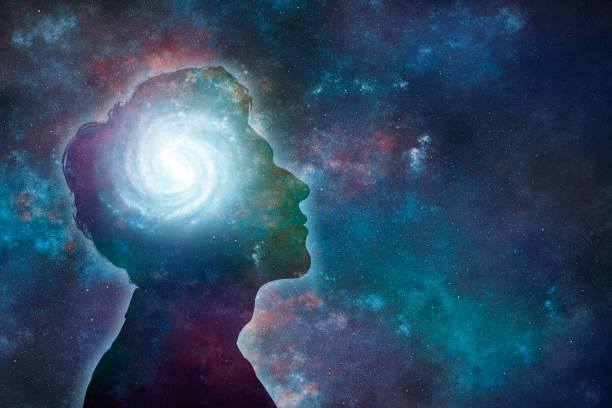
The body’s remaining mysteries are not signs of failure. They are invitations to keep exploring. They remind us that beneath our skin lies a universe every bit as fascinating as the stars above—a living world whose greatest secrets are still waiting to be discovered.