Anxiety is one of the most common human experiences. It can appear quietly as a persistent feeling of worry or suddenly as a racing heart before an important meeting, an exam, or a difficult conversation. For some people, anxiety comes and goes. For others, it becomes a daily companion that affects work, relationships, sleep, and overall well-being.
If you’ve ever found yourself lying awake at night replaying conversations, worrying about the future, or feeling overwhelmed by responsibilities, you’re far from alone. Anxiety is not a sign of weakness or failure. In fact, anxiety is a natural response that has helped humans survive for thousands of years. It alerts us to danger, prepares our bodies to react, and encourages caution when facing uncertainty.
The problem begins when anxiety appears too often, becomes too intense, or continues long after a threat has passed. Instead of protecting us, it starts interfering with everyday life.
The good news is that anxiety can often be managed. While there is no single solution that works for everyone, decades of psychological and medical research have identified practical strategies that consistently help many people reduce anxiety and regain a sense of control.
This article explores ten proven, science-backed strategies you can begin using in your daily life. These approaches are not quick fixes or miracle cures. They are healthy habits that, practiced consistently, can gradually help calm the mind, strengthen emotional resilience, and improve overall mental health.
Understanding Anxiety Before Trying to Manage It
Before discussing solutions, it’s important to understand what anxiety actually is.
Anxiety is your body’s natural response to uncertainty, perceived danger, or stress. When your brain believes something might threaten your safety or well-being, it activates the “fight, flight, or freeze” response.
Your heart beats faster.
Your breathing becomes quicker.
Your muscles tighten.
Your brain becomes hyper-alert.
These reactions are helpful if you’re escaping a dangerous situation. But when the trigger is an email from your boss, financial worries, social situations, or uncertain future events, the same physical response can become exhausting.
Occasional anxiety is normal. However, if anxiety becomes persistent, overwhelming, or interferes significantly with daily life, it may be part of an anxiety disorder. In those cases, professional treatment from a qualified healthcare provider is often the most effective path forward.
Whether your anxiety is occasional or more frequent, healthy daily habits can make a meaningful difference.
1. Learn to Notice Your Anxiety Instead of Fighting It
One of the biggest misconceptions about anxiety is that we must eliminate it immediately.
Ironically, struggling against anxiety often makes it stronger.
Imagine trying not to think about a pink elephant. The harder you try, the more vivid the image becomes.
The same pattern often occurs with anxious thoughts.
Instead of telling yourself, “I must stop feeling anxious,” try noticing what is happening with curiosity.
You might silently say:
“I notice that I’m feeling anxious.”
“My heart is racing.”
“My mind is imagining worst-case scenarios.”
This simple shift creates psychological distance between you and the anxiety.
You are no longer completely inside the feeling—you are observing it.
Psychologists often call this acceptance or mindful awareness. Research has shown that acknowledging emotions without judgment can reduce their intensity over time.
Anxiety is an experience.
It is not your identity.
2. Slow Your Breathing to Calm Your Nervous System
When anxiety rises, breathing usually becomes faster and shallower.
Unfortunately, rapid breathing signals the brain that danger still exists, keeping the stress response active.
One of the quickest ways to interrupt this cycle is through slow, controlled breathing.
You don’t need complicated techniques.
Simply inhale slowly through your nose for about four seconds.
Pause briefly.
Then exhale gently through your mouth for about six seconds.
Repeat this pattern for several minutes.
Longer exhalations activate the parasympathetic nervous system, sometimes called the body’s “rest and digest” system. This helps lower heart rate, reduce muscle tension, and gradually calm the body’s stress response.
Many people notice improvement after only a few minutes of steady breathing.
Like any skill, it becomes more effective with regular practice.
3. Challenge Unhelpful Thoughts Instead of Believing Them Automatically
Anxiety often convinces us that our fears are facts.
Your mind may tell you:
“I’m going to fail.”
“Everyone is judging me.”
“Something terrible is about to happen.”
“I won’t be able to handle this.”
These thoughts feel convincing because anxiety makes the brain focus on possible threats.
Instead of accepting every anxious thought as reality, ask yourself a few simple questions.
What evidence supports this thought?
What evidence challenges it?
Am I predicting the future?
Have I handled difficult situations before?
What would I tell a close friend if they had this same fear?
This approach comes from cognitive behavioral therapy (CBT), one of the most extensively researched treatments for anxiety.
The goal is not forced positive thinking.
The goal is balanced thinking.
Sometimes your fears are realistic.
Many times they are exaggerated by anxiety itself.
Learning to recognize that difference is a powerful skill.
4. Keep Your Body Moving Every Day
Exercise is one of the most effective natural tools for managing anxiety.
Physical activity does far more than improve fitness.
During exercise, your body releases chemicals that improve mood, reduce stress, and promote relaxation. Exercise also lowers stress hormones and helps regulate the nervous system.
You don’t need intense workouts to experience benefits.
A brisk walk.
Cycling through your neighborhood.
Swimming.
Gardening.
Dancing in your living room.
Stretching.
Yoga.
Almost any regular movement can help.
Research consistently shows that people who stay physically active often report lower anxiety levels than those who are largely sedentary.
Consistency matters far more than intensity.
Moving your body for thirty minutes most days can make a noticeable difference over time.
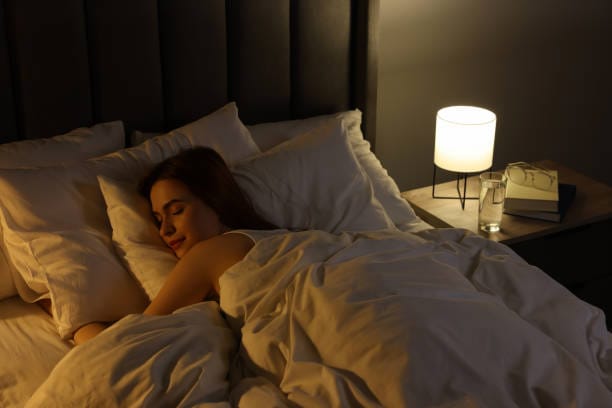
5. Make Sleep a Daily Priority
Poor sleep and anxiety often create a frustrating cycle.
Anxiety makes it difficult to sleep.
Lack of sleep makes anxiety worse.
Breaking this cycle begins with healthy sleep habits.
Try to go to bed and wake up at roughly the same time each day.
Reduce screen use before bedtime, as bright light can interfere with your body’s natural sleep rhythms.
Create a quiet, comfortable sleeping environment.
Avoid large meals, excessive alcohol, or heavy exercise immediately before bed.
If anxious thoughts appear while lying awake, gently acknowledge them rather than struggling against them.
Some people find it helpful to write worries in a notebook before bedtime, allowing the brain to “set them aside” until morning.
Good sleep may not eliminate anxiety, but it strengthens your ability to cope with stress the following day.
6. Reduce Caffeine If It Makes Anxiety Worse
Many people enjoy coffee, tea, or energy drinks without major problems.
However, caffeine affects everyone differently.
Because caffeine stimulates the nervous system, it can produce symptoms similar to anxiety, including rapid heartbeat, restlessness, trembling, and nervousness.
For people who are especially sensitive, even moderate amounts may increase anxious feelings.
This doesn’t necessarily mean you must eliminate caffeine entirely.
Instead, pay attention to how your body responds.
Try reducing the amount gradually.
Avoid consuming caffeine late in the afternoon or evening.
Notice whether your anxiety changes over the following weeks.
Small adjustments often produce meaningful improvements.
7. Stay Connected with People You Trust
Anxiety often encourages isolation.
You may feel like withdrawing from friends.
Ignoring messages.
Avoiding family gatherings.
Cancelling plans.
Although this can provide temporary relief, long-term isolation often increases anxiety.
Human beings are deeply social.
Supportive relationships help regulate emotions, reduce stress, and provide reassurance during difficult times.
Talking with someone you trust doesn’t require solving every problem.
Sometimes simply saying, “I’ve been feeling anxious lately,” can reduce the emotional burden.
Support may come from friends, family members, coworkers, neighbors, support groups, or mental health professionals.
You don’t have to face anxiety alone.
Connection itself can be healing.
8. Practice Mindfulness Instead of Living in “What If”
Anxiety spends much of its time imagining the future.
What if I fail?
What if something goes wrong?
What if they don’t like me?
What if I embarrass myself?
Mindfulness gently brings attention back to the present moment.
Instead of worrying about tomorrow, notice what is happening right now.
Feel your feet on the ground.
Notice the sounds around you.
Observe your breathing.
Pay attention to the sensation of holding a warm cup of tea.
Watch sunlight moving across the room.
Mindfulness doesn’t eliminate anxious thoughts.
Instead, it changes your relationship with them.
Rather than becoming trapped inside endless “what if” scenarios, you learn to return your attention to the reality of the present moment.
Research has shown that regular mindfulness practice can reduce anxiety symptoms, improve emotional regulation, and strengthen resilience over time.
Even five or ten minutes a day can be beneficial.
9. Create Small Daily Routines That Give You Stability
Anxiety often thrives in uncertainty.
Daily routines provide structure.
Structure creates predictability.
Predictability helps the brain feel safer.
Your routine doesn’t need to be complicated.
Wake up around the same time.
Eat regular meals.
Take a short walk.
Read for a few minutes.
Prepare tomorrow’s clothes before bed.
Spend a few quiet moments reflecting on your day.
These simple habits become small anchors during stressful periods.
When life feels chaotic, routines remind your brain that not everything is unpredictable.
Over time, they create a stronger sense of stability and control.
10. Know When to Ask for Professional Help
Perhaps the most important strategy is recognizing when anxiety requires additional support.
Many people hesitate to seek help because they believe they should handle everything alone.
But anxiety is a health issue, not a personal failure.
If anxiety regularly interferes with work, school, relationships, sleep, or daily responsibilities, speaking with a qualified mental health professional is one of the most effective decisions you can make.
Psychologists, psychiatrists, counselors, and therapists use evidence-based treatments that have helped millions of people.
One of the most effective treatments is cognitive behavioral therapy (CBT), which teaches practical skills for changing unhelpful thought patterns and behaviors.
In some cases, healthcare providers may also recommend medication, particularly when anxiety is severe or persistent.
Many people benefit from combining therapy, healthy lifestyle changes, and medication when appropriate.
Seeking help is a sign of strength, not weakness.
Daily Habits That Quietly Reduce Anxiety
Beyond these ten major strategies, many small choices throughout the day also influence anxiety.
Eating regular, balanced meals helps maintain stable energy levels. Staying hydrated supports overall physical functioning. Spending time outdoors, especially in natural environments, has been linked to reduced stress and improved mood. Limiting excessive exposure to distressing news or social media can prevent unnecessary mental overload.
Practicing gratitude by noticing positive moments each day may gradually shift attention away from constant threat monitoring. Creative activities such as drawing, writing, gardening, cooking, or playing music can provide healthy outlets for emotional expression.
These habits may seem simple, but together they create a lifestyle that supports emotional well-being.
What Doesn’t Usually Help
When anxiety feels overwhelming, it’s understandable to look for quick relief.
Unfortunately, some common coping strategies provide only temporary comfort while making anxiety worse over time.
Avoiding every situation that causes anxiety often strengthens fear rather than reducing it. Excessive alcohol or recreational drug use may temporarily numb anxious feelings but frequently increases anxiety later. Constantly seeking reassurance from others can provide short-term relief but may reinforce anxious thinking. Spending hours searching the internet for symptoms or worst-case scenarios can also increase worry.
Healthy coping skills focus on building long-term resilience rather than escaping uncomfortable feelings.
Living Well Even When Anxiety Exists
One of the most encouraging discoveries in modern psychology is that a meaningful life does not require the complete absence of anxiety.
Many successful, creative, compassionate, and accomplished people experience anxiety.
They simply learn not to let it control every decision.
Some days will feel easier than others.
There may be setbacks.
Stressful life events can temporarily increase anxiety again.
This does not mean you’ve failed.
Progress is rarely a straight line.
Every time you practice slow breathing instead of panicking, challenge an anxious thought instead of believing it automatically, take a walk instead of staying trapped indoors, or reach out to someone you trust instead of isolating yourself, you are strengthening skills that become more powerful with repetition.
Managing anxiety is less about finding one perfect solution and more about building a collection of healthy habits that support your mind and body over time.
A Final Thought
Anxiety can make the world feel smaller. It encourages hesitation when you want to move forward, silence when you want to speak, and fear when you want to explore new possibilities. It often whispers that you’re not capable enough, prepared enough, or safe enough.
But anxiety is not always an accurate narrator.
Your thoughts are not always facts.
Your fears are not always predictions.
And difficult emotions are not permanent.
With patience, consistent self-care, supportive relationships, and professional guidance when needed, anxiety can become something you manage rather than something that manages you.
You do not have to eliminate every anxious feeling to live a rich, fulfilling, and meaningful life. Sometimes the greatest victory is not making anxiety disappear—it is continuing to move forward, one steady step at a time, even when anxiety tries to convince you otherwise.