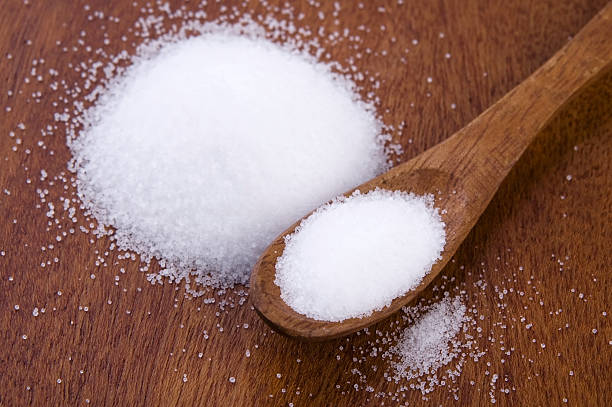
Salt is one of the most ordinary substances in the human diet. It sits on kitchen counters, dissolves into soups and sauces, and appears in foods ranging from bread and cheese to canned vegetables and snacks. Yet the same substance that is often discussed as something Americans should limit is also essential to life.
The apparent contradiction is easy to resolve once we distinguish salt from sodium and understand what sodium actually does inside the body. Humans cannot live without sodium, one of the two main elements in ordinary table salt. The body uses it to control fluid balance, maintain the electrical activity of nerves, enable muscles to contract, and support several other essential processes. Too little sodium can be dangerous, just as too much can contribute to health problems.
Salt, then, is neither simply a health food nor simply a harmful substance. It is a source of an essential mineral that the body must keep within a relatively narrow range.
What salt actually is
Table salt is primarily sodium chloride, a compound made from the elements sodium and chlorine. When salt dissolves in water, it separates into sodium ions and chloride ions. Both are electrolytes, meaning they carry electrical charges in body fluids and help those fluids conduct electrical signals.
Sodium receives most of the attention when nutrition and health are discussed because sodium intake is closely connected with blood pressure and fluid regulation. But chloride is also an essential electrolyte. It contributes to fluid and acid-base balance and is an important component of stomach acid.
It is therefore useful to keep three terms separate. Salt is sodium chloride. Sodium is one component of salt and the mineral most often emphasized in nutrition guidance. Chloride is the other major component and is also physiologically important.
The body does not need salt because salt has some special nutritional property in its crystal form. It needs the sodium and chloride ions that salt supplies.
Why sodium is essential to the human body
The most important reason humans need sodium is that sodium ions help create and maintain electrical gradients across cell membranes. This may sound abstract, but it is fundamental to how the human body works.
Cells contain watery solutions filled with dissolved ions. Sodium is found in relatively high concentrations outside most cells, while potassium is found in relatively high concentrations inside them. Specialized proteins in cell membranes, especially the sodium-potassium pump, continually help maintain these different concentrations.
These gradients store potential energy. When ion channels open, sodium can move across a cell membrane, changing the electrical charge of the cell. This basic mechanism allows nerve cells to generate and transmit electrical signals.
Without appropriate sodium gradients, the nervous system could not communicate normally. The brain could not efficiently send signals through neurons, sensory information could not be processed in the usual way, and muscles would not receive the electrical instructions needed for movement.
Sodium makes nerve signaling possible
Every deliberate movement, sensation, and thought depends on electrical activity in nervous tissue. Sodium plays a central role in generating the rapid electrical changes called action potentials.
A resting neuron maintains a difference in electrical charge across its membrane. When the neuron receives a sufficiently strong stimulus, specialized sodium channels open. Sodium ions rush into the cell because of both electrical and concentration gradients. This rapidly changes the membrane potential and initiates an action potential.
The signal can then travel along the neuron. In this way, changes in sodium movement help turn chemical and electrical information into the fast signals used by the nervous system.
This does not mean that eating more salt makes nerves work better. The nervous system needs sodium to function, but it also depends on tightly regulated sodium concentrations. More is not better once normal physiological requirements are met.
Sodium is also essential for muscle contraction
Muscles depend on electrical signals too. When a nerve tells a muscle fiber to contract, changes in ion movement across the muscle-cell membrane help initiate a sequence of events that ultimately causes the muscle’s contractile proteins to interact.
Sodium is part of the electrical signaling that precedes contraction. Potassium, calcium, and other ions are also crucial. Calcium, in particular, directly regulates the interaction of the proteins responsible for contraction.
This is why severe disturbances in blood sodium can affect muscles and the nervous system. Symptoms can include weakness, confusion, abnormal reflexes, seizures, or other neurological problems when sodium levels become sufficiently abnormal.
Salt helps control the body’s water balance
Sodium is the major positively charged ion in the fluid outside cells. Because water moves in response to differences in the concentration of dissolved substances, sodium has a powerful influence on where water is distributed throughout the body.
The body is constantly balancing water and electrolytes. The kidneys play a central role by adjusting how much sodium and water are retained or excreted. Hormones and signals from the brain also help regulate thirst and kidney function.
When sodium is retained, water tends to be retained with it. When sodium is excreted, water often follows. This relationship helps maintain the volume of blood and other extracellular fluids.
The goal is not simply to keep sodium in the body. It is to maintain the right amount in the right places. The body therefore regulates sodium carefully rather than allowing its concentration to rise or fall unchecked.
Why blood sodium has to stay within a narrow range
The concentration of sodium in the blood is regulated much more tightly than ordinary dietary discussions might suggest. The body has sophisticated systems for controlling both sodium and water.
The brain monitors changes related to blood concentration and fluid status. When the body needs water, thirst encourages drinking. Hormonal signals can cause the kidneys to conserve water. Other mechanisms alter sodium handling by the kidneys.
Blood sodium concentration is influenced by water balance as well as by sodium intake. This is an important distinction. A low blood sodium concentration, known as hyponatremia, does not necessarily mean that a person simply failed to eat enough salt. It can result from excess water relative to sodium, certain medications, hormonal disorders, kidney or heart problems, or other medical conditions.
Likewise, a high blood sodium concentration, called hypernatremia, is often primarily a problem of insufficient water relative to the amount of sodium in body fluids. It can occur when water losses are not adequately replaced or when the body’s ability to regulate water is impaired.
These conditions are medical disorders, not straightforward measures of whether someone ate a salty meal.
What happens when the body doesn’t get enough sodium?
The body needs only a relatively small amount of sodium to perform its essential functions, and it is normally very good at conserving sodium when intake is low. The kidneys can reduce sodium losses, while hormonal systems help maintain blood volume and electrolyte balance.
For this reason, severe sodium deficiency caused solely by ordinary dietary restriction is uncommon in healthy people who have access to food and water.
The situation changes when substantial sodium and fluid losses occur. Prolonged vomiting or diarrhea, heavy sweating, certain medical conditions, or medications that increase sodium loss can disrupt electrolyte balance. Drinking very large amounts of plain water under some circumstances can also dilute blood sodium.
When blood sodium becomes dangerously low, water shifts into cells. Brain cells are particularly vulnerable because the skull leaves little room for the brain to expand. Severe hyponatremia can cause headache, nausea, confusion, seizures, coma, and potentially death.
This is one reason electrolyte balance matters during unusual circumstances involving substantial fluid loss. It does not mean that everyone who exercises needs large quantities of sports drinks or extra salt. For most everyday activities, normal food and fluid intake is sufficient.
Why too much salt can be harmful
The fact that sodium is essential does not make unlimited sodium intake safe. Human physiology often works this way: a substance can be necessary in one amount and harmful in another.
For many people, consuming more sodium than the body needs can contribute to higher blood pressure. Sodium affects fluid balance, and increased sodium intake can increase the amount of water retained in the body’s extracellular fluid in susceptible individuals. Over time, high blood pressure places additional stress on blood vessels and the cardiovascular system.
The relationship is not identical for everyone. People vary in how strongly their blood pressure responds to changes in sodium intake. Age, genetics, kidney function, existing health conditions, overall diet, and other factors can influence the response.
Even so, excessive sodium intake is an important population-level dietary concern because high blood pressure is a major risk factor for cardiovascular disease and other serious conditions.
The key distinction is between needing sodium and needing a high-sodium diet. Humans need the former, not the latter.
Salt and blood pressure are connected, but the story is more complicated than a salt shaker
It is tempting to imagine blood pressure as a simple equation in which eating salt immediately makes pressure rise. Human physiology is more complicated.
Sodium intake interacts with the kidneys, hormones, blood volume, blood-vessel function, and other dietary factors. Some people are more salt-sensitive than others, meaning their blood pressure changes more substantially when sodium intake changes.
Potassium is particularly relevant because diets containing adequate potassium are associated with healthier blood-pressure regulation. Potassium influences vascular function and promotes sodium excretion by the kidneys. Foods such as fruits, vegetables, beans, and dairy products can provide substantial potassium.
The overall dietary pattern therefore matters. Reducing excessive sodium is useful, but health cannot be reduced to a single nutrient in isolation.
How much sodium does the body actually need?
The body requires sodium, but its minimum physiological requirement is much smaller than the amount consumed by many modern populations.
There is no single daily amount that applies perfectly to every person under every circumstance. Sodium losses vary with factors such as sweating, kidney function, climate, physical activity, and illness. Infants and children also have different requirements from adults.
For generally healthy adults, ordinary foods usually provide enough sodium to meet physiological needs without deliberate salt supplementation. In the United States, nutrition guidance commonly emphasizes limiting sodium rather than trying to reach a minimum through added salt, because most people already obtain plenty from food.
The distinction between physiological need and typical consumption is important. A person can require sodium for survival while still consuming substantially more sodium than is desirable for long-term health.
Where Americans get most of their sodium
For many Americans, the largest sources of sodium are not the salt shaker or the small amount added during home cooking. A considerable amount comes from processed and prepared foods.
Sodium is widely used in food manufacturing because salt has several useful properties. It enhances flavor, helps preserve foods, affects texture, and can contribute to fermentation and other food-processing processes.
Bread, sauces, soups, cheeses, cured meats, packaged meals, savory snacks, and many restaurant foods can contain significant amounts of sodium. Some foods may not taste extremely salty even though they contain substantial sodium.
This is why reducing sodium intake can involve more than simply avoiding visible salt. The overall food environment matters.
Why salt has been so important throughout human history
Salt is not merely a modern seasoning. Its usefulness as a preservative helped make it one of the most historically valuable food substances.
Before refrigeration and modern food-processing technology, people needed reliable ways to preserve meat, fish, and other perishable foods. Salt could draw water out of food and create conditions that inhibited the growth of many microorganisms. Salting therefore helped extend the usable life of foods and made storage and transportation easier.
Salt also became important in trade and food culture. Different societies developed distinctive methods of salting, curing, fermenting, and preserving food.
This historical importance helps explain why humans have developed such a strong preference for salty flavors. Salt was not simply a luxury seasoning. For much of human history, it was an important technological tool for keeping food edible.
Why humans like the taste of salt
Saltiness is detected by specialized taste mechanisms in the tongue. Sodium ions interact with taste cells, generating signals that the nervous system interprets as salty.
Salt can also change the way other flavors are perceived. In appropriate amounts, it can make foods taste more balanced and can suppress or reduce the perception of certain bitter notes. This is one reason relatively small amounts of salt can have a noticeable effect on cooking.
Our preference for salt is influenced by biology, but it is also shaped by experience and diet. People accustomed to highly salted foods may find lower-sodium foods bland at first. Taste preferences can change over time as the palate adapts.
This is one reason gradual reductions in salt can be more practical than assuming that food must immediately taste exactly as it did before.
Salt is not the same thing as sodium on a nutrition label
Nutrition labels in the United States report sodium, not simply the weight of salt.
This matters because sodium chloride is only partly sodium by weight. By mass, ordinary table salt is roughly 40 percent sodium and 60 percent chloride. Consequently, a food containing a particular amount of sodium does not contain the same amount of sodium chloride by weight.
The distinction becomes especially useful when comparing nutrition information with recipes or public-health recommendations. A teaspoon of table salt contains several grams of salt but only a portion of that weight is sodium.
When evaluating a packaged food, the sodium number on the Nutrition Facts label is therefore the figure to pay attention to.
Why the body doesn’t simply excrete all excess sodium immediately
The kidneys are remarkably effective at regulating sodium. They filter enormous quantities of fluid every day and selectively reabsorb substances that the body needs.
When sodium intake changes, the kidneys adjust sodium excretion, but this regulation is not instantaneous or identical in every person. Hormonal systems and changes in extracellular fluid volume influence how much sodium is retained or eliminated.
In healthy people, these mechanisms can maintain relatively stable internal conditions despite considerable variation in daily intake. But regulation has limits, and long-term high sodium intake can contribute to elevated blood pressure in susceptible individuals.
Kidney disease is especially important because impaired kidney function can interfere with the body’s ability to maintain fluid and electrolyte balance.
Can you survive without eating salt?
The answer depends on what “salt” means.
A person does not need to consume table salt specifically. Sodium and chloride are naturally present in many foods, and the body can obtain them without sprinkling sodium chloride on meals.
But a human cannot survive indefinitely without sodium. Sodium is an essential electrolyte required for normal nervous-system function, muscle activity, fluid regulation, and other physiological processes.
The body can conserve sodium, so the amount required is relatively small. Under ordinary circumstances, however, eliminating every source of sodium from the diet would eventually deprive the body of an essential nutrient.
This is why the sensible question is not whether humans should avoid salt completely. It is how much sodium is appropriate for an individual’s circumstances and overall diet.
What about sweating and exercise?
Sweat contains water and electrolytes, including sodium and chloride. The concentration varies considerably from person to person and can also change with environmental conditions and acclimatization.
For ordinary daily activity and typical workouts, most people can replace what they lose through normal food and fluid intake. The body is designed to handle routine variation in sweating.
During prolonged, strenuous exercise, particularly in hot and humid conditions, substantial fluid and sodium losses can occur. In those circumstances, hydration and electrolyte replacement become more relevant. Athletes and people performing prolonged physical labor may need individualized strategies based on sweat losses, duration, climate, and access to food and fluids.
At the same time, drinking excessive amounts of plain water during prolonged endurance activity can create a dangerous dilution of blood sodium. The safest approach depends on the circumstances rather than a universal rule that everyone should consume extra salt.
Why chloride matters too
Sodium tends to dominate discussions of salt, but chloride is not biologically incidental.
Chloride is the principal negatively charged ion in extracellular fluid. It participates in maintaining electrical neutrality and fluid balance and contributes to the body’s acid-base regulation.
It is also essential for producing hydrochloric acid in the stomach. Specialized cells in the stomach secrete hydrogen ions and chloride ions, which together form hydrochloric acid. This highly acidic environment helps break down food and supports normal digestion.
Chloride is also involved in the movement of fluids and ions across cell membranes. Its functions are closely intertwined with those of sodium and other electrolytes.
What happens if blood sodium becomes dangerously high?
Hypernatremia occurs when the concentration of sodium in the blood becomes abnormally high. Despite the name, it is usually best understood as a disorder of water balance.
Because sodium strongly influences the concentration of body fluids, excessive loss of water can cause blood sodium to rise. Severe hypernatremia causes water to move out of cells, including brain cells, which can lead to neurological symptoms.
Thirst normally provides an important defense. A healthy person who can recognize thirst and obtain water will generally drink before becoming severely dehydrated. Problems can arise when thirst is impaired, water is unavailable, or illness prevents adequate drinking.
Severe hypernatremia can cause confusion, neuromuscular abnormalities, seizures, coma, and death and requires medical treatment.
Why salt deficiency and dehydration are not the same thing
Salt and water are closely connected, but they are not interchangeable.
Dehydration primarily refers to insufficient body water. Sodium disturbances refer to abnormal relationships between sodium and water in body fluids. A person can lose both water and sodium through sweat, vomiting, or diarrhea, but the resulting blood sodium concentration depends on the relative amounts lost and replaced.
For example, replacing a large fluid loss with only plain water can sometimes dilute blood sodium, while failing to replace enough water can leave sodium concentration elevated.
This is why severe dehydration, hyponatremia, and hypernatremia are related but distinct physiological problems.
Does adding salt to water make it healthier?
Not automatically.
Water does not generally need added salt for routine hydration. The body already obtains sodium through food, and adding unnecessary salt to drinking water can increase sodium intake without providing a corresponding benefit.
In situations involving significant fluid loss, properly formulated oral rehydration solutions can be useful because they contain carefully balanced amounts of water, sodium, and glucose. Their effectiveness depends on intestinal transport mechanisms that allow sodium and glucose to promote water absorption.
That is very different from casually adding salt to water. Medical rehydration formulas are designed around physiology, not simply the idea that “more electrolytes” must be better.
Why salt can preserve food
Salt preservation works largely by reducing the amount of water available for microorganisms. Microbes need water in usable form to grow and reproduce. High concentrations of salt can draw water out of microbial cells and create an environment in which many organisms cannot thrive.
Salt does not make every food permanently safe, and preservation methods vary. Some microorganisms tolerate salt better than others, which is why traditional food preservation often combines salting with drying, smoking, fermentation, refrigeration, or other techniques.
The same basic chemistry that made salt historically valuable for preserving food also explains why salt has been used for centuries in curing meat and fish.
Is sea salt healthier than table salt?
Sea salt and table salt differ in how they are produced and may differ slightly in trace minerals and crystal structure, but both are primarily sodium chloride.
Those differences generally do not eliminate the physiological effects of sodium. If two products provide similar amounts of sodium, the body does not treat one as a fundamentally different kind of sodium simply because it came from seawater rather than an underground deposit.
Some specialty salts contain small amounts of other minerals, but these quantities are usually not enough to transform salt into a major source of nutrition.
The practical issue for most people is therefore the amount of sodium consumed, not whether the salt is labeled sea salt, kosher salt, or another culinary variety.
What is iodized salt, and why is iodine added?
Iodized salt contains iodine, an essential nutrient required to make thyroid hormones.
The thyroid gland uses iodine to produce hormones that help regulate metabolism, growth, and development. Too little iodine can impair thyroid hormone production and, when deficiency is severe or prolonged, cause goiter and other health problems.
Adding iodine to salt became an important public-health strategy because salt is consumed in relatively predictable amounts and can serve as an efficient vehicle for delivering a small quantity of iodine.
Iodized salt therefore illustrates an important distinction: salt itself supplies sodium and chloride, while iodized salt can also serve as a source of iodine. The iodine is not what makes sodium chloride essential.
Why humans need some salt but don’t need a salty diet
The body has evolved sophisticated systems for conserving sodium because sodium is biologically valuable. That does not imply that ancestral or modern humans require large quantities of salt.
Human physiology is built around maintaining sodium concentrations, not maximizing sodium intake. Once enough sodium is available for essential functions, additional sodium does not provide an unlimited physiological advantage.
This is similar to many other nutrients. The existence of a biological requirement does not mean that consuming increasingly large amounts produces increasingly good health.
The challenge in nutrition is often finding an appropriate range rather than deciding that a substance is either “good” or “bad.”
How salt fits into a healthy diet
For most people, a healthy approach is to obtain enough sodium from ordinary food while avoiding consistently excessive intake.
Cooking at home can make sodium intake easier to control because the amount of salt added is visible. But sodium naturally occurs in many foods, and processed ingredients can contribute substantially even when no salt shaker is used.
Reading Nutrition Facts labels can help reveal how much sodium is present in packaged foods. Comparing similar products can also show that sodium levels can vary considerably between brands and formulations.
Reducing reliance on heavily processed foods and emphasizing foods such as fruits, vegetables, beans, whole grains, and minimally processed proteins can naturally change the balance of the diet. Flavor does not have to depend entirely on salt; herbs, spices, acids such as lemon juice and vinegar, garlic, onions, and other ingredients can contribute complexity.
People with high blood pressure, kidney disease, heart failure, or other conditions affected by sodium and fluid balance may need more specific dietary advice from a health professional.
The deeper reason humans can’t live without salt
At the most fundamental level, the importance of salt comes down to ions moving through water-filled biological systems.
The human body is an electrically active network of cells immersed in carefully regulated fluids. Sodium and chloride help determine the chemical and electrical environment in which those cells operate. Sodium gradients allow neurons to send signals and muscles to respond. Sodium and chloride contribute to the distribution of water between body compartments. Chloride participates in digestion and acid-base regulation. The kidneys, brain, hormones, and cardiovascular system continually work together to keep these electrolytes within workable ranges.
Salt is therefore important not because humans need a particular seasoning on their food, but because the ions that ordinary salt supplies are woven into the basic chemistry of life.
We need sodium. We need chloride. We do not, however, need unlimited salt. The same substance that supplies indispensable electrolytes can become harmful when consumed in excess, which is why the biological story of salt is ultimately one of balance and regulation rather than simple good-versus-bad nutrition.