It can happen when you least expect it.
You notice someone across a room, exchange a few conversations at work or school, or perhaps interact with them online. Suddenly, you find yourself thinking about them throughout the day. You wonder what they’re doing, imagine talking to them again, replay every interaction in your mind, and feel excited every time their name appears on your phone.
The surprising part is that you barely know them.
You don’t know their daily habits, how they handle stress, what they’re like when they’re angry, or what their long-term goals are. Yet your heart races, your thoughts drift toward them, and you begin imagining what a future together might look like.
If you’ve ever experienced this, you might wonder, “How can I have such strong feelings for someone I hardly know?”
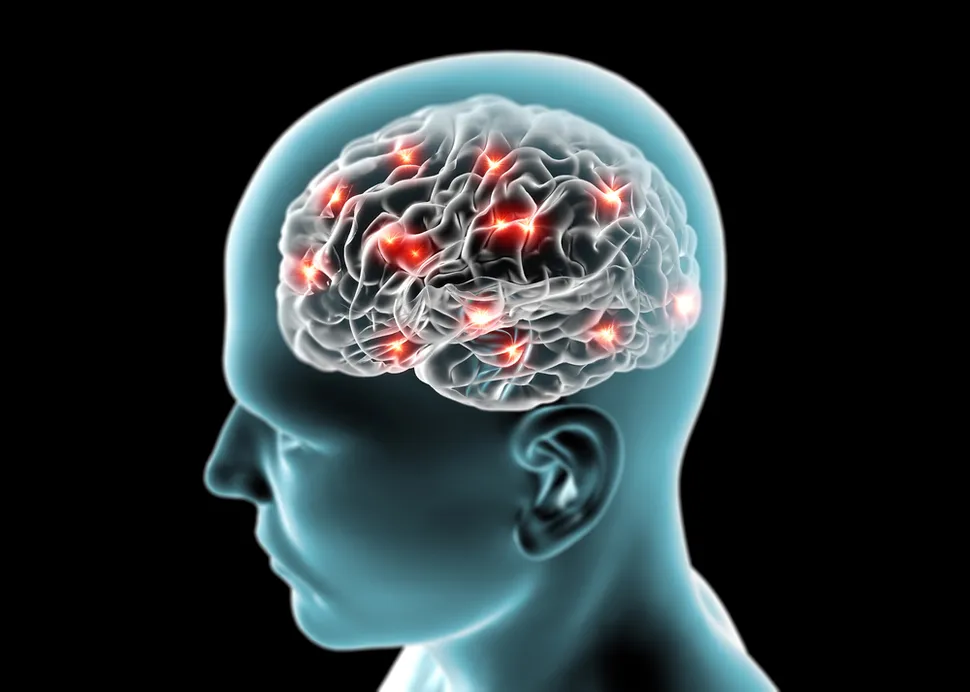
The answer lies in the fascinating way the human brain works. Romantic feelings don’t always develop slowly after months or years of knowing someone. Sometimes they appear quickly, driven by biology, psychology, emotion, imagination, and hope.
This doesn’t mean your feelings are fake.
It also doesn’t necessarily mean you’ve found “the one.”
Instead, it means your mind is responding to a mixture of attraction, curiosity, possibility, and emotion before it has gathered enough information to fully understand who the other person really is.
Understanding why this happens can help you enjoy the excitement of new attraction while making thoughtful decisions about relationships.
Romantic Feelings Can Begin Before Deep Knowledge
Many people believe love only develops after truly knowing someone.
In reality, romantic attraction often begins much earlier.
The first stage of attraction is usually based on limited information.
You notice someone’s appearance, smile, voice, sense of humor, confidence, kindness, or the way they make you feel during your interactions.
Your brain starts building an emotional picture long before it has a complete picture.
This is completely normal.
Our minds naturally make quick impressions about people.
Sometimes those impressions are accurate.
Sometimes they are not.
The important thing is recognizing that early feelings are only the beginning of getting to know someone.
The Brain Loves Mystery
Human beings are naturally curious.
When someone remains partly unknown, the brain often becomes even more interested.
Psychologists sometimes describe this as the power of uncertainty.
When you don’t know everything about someone, your mind fills in the missing pieces.
You begin wondering about their personality, interests, dreams, and feelings.
That curiosity keeps the person in your thoughts.
Interestingly, uncertainty can sometimes increase attraction more than certainty.
When someone occasionally gives attention and then becomes less available, your brain may think about them even more.
This doesn’t necessarily reflect genuine compatibility.
It often reflects how strongly the human mind responds to unanswered questions.
Your Imagination Fills the Gaps
When you barely know someone, there are many blank spaces.
The brain dislikes incomplete stories.
Naturally, it starts filling those gaps.
You may imagine they are kinder than you actually know.
You assume they share your values.
You picture them supporting you during difficult times.
You imagine enjoyable conversations, meaningful experiences, or even a future together.
None of this happens because you’re irrational.
It happens because imagination is one of the brain’s most powerful abilities.
The challenge is remembering that imagination creates possibilities—not facts.
Attraction and Love Are Not the Same
One of the biggest misunderstandings about relationships is confusing attraction with love.
Attraction can develop quickly.
Love usually takes much longer.
Attraction often begins with excitement, curiosity, chemistry, and emotional intensity.
Love grows through trust, shared experiences, reliability, vulnerability, and mutual understanding.
You can feel intensely attracted to someone within days.
Learning whether they are truly compatible with you requires time.
Recognizing this difference helps protect both your heart and your expectations.
Physical Attraction Plays a Role
Physical appearance is rarely the only reason someone develops romantic feelings, but it often contributes.
The human brain automatically notices facial expressions, body language, eye contact, smiles, and other physical characteristics.
These observations happen almost instantly.
Research suggests that people also respond to subtle cues such as voice, scent, posture, and facial symmetry, often without realizing it.
These biological responses evolved over thousands of years.
While physical attraction may begin the process, healthy long-term relationships depend on much more than appearance alone.
The Brain Releases Powerful Chemicals
Early romantic attraction is accompanied by remarkable changes inside the brain.
Several chemical messengers become more active.
Dopamine plays a major role.
Often called the brain’s reward chemical, dopamine creates feelings of pleasure, excitement, and motivation.
Every positive interaction with the person may produce another rewarding emotional experience.
This encourages you to seek more contact.
Norepinephrine also becomes more active.
It contributes to increased energy, focused attention, and the “butterflies” many people experience.
This is one reason new attraction can make someone feel unusually excited or even slightly nervous.
Serotonin levels may temporarily change as well.
Some researchers believe this contributes to repetitive thinking about the person.
You find yourself returning to thoughts of them again and again, even when trying to focus elsewhere.
These biological processes are completely natural.
Your Brain Focuses on Positive Qualities
Early attraction often involves selective attention.
Instead of noticing every characteristic equally, your brain naturally highlights positive traits.
Their smile feels especially warm.
Their jokes seem funnier.
Their kindness stands out.
Small gestures become highly meaningful.
Meanwhile, potential incompatibilities remain unnoticed simply because you haven’t experienced enough situations to reveal them.
This tendency is common in early attraction and gradually changes as you learn more about the person.
You Fall for How They Make You Feel
Sometimes people believe they fall for another person’s qualities alone.
In reality, emotions play a huge role.
Perhaps they listened carefully when you spoke.
Maybe they remembered something important about you.
Perhaps they smiled warmly or made you feel comfortable, appreciated, respected, or understood.
These emotional experiences become associated with that person.
Often, what you’re falling for initially is not only who they are, but how you feel when you’re around them.
Feeling emotionally safe, valued, or accepted can be incredibly powerful.
Timing Matters More Than Many People Realize
The same person may attract you at one stage of life but not another.
Timing influences attraction significantly.
If you’ve recently become emotionally ready for a relationship, your openness increases.
If you’ve been feeling lonely, hopeful, or optimistic, you may notice romantic possibilities more readily.
Life transitions often create emotional readiness for new connections.
This doesn’t make the attraction less real.
It simply means your circumstances influence how strongly you experience it.
Familiarity Can Feel Comfortable
Psychologists describe something called the “mere exposure effect.”
Generally speaking, people tend to develop greater comfort with things they encounter repeatedly.
Seeing someone regularly at work, school, the gym, or in your neighborhood can gradually increase feelings of familiarity.
Familiarity often creates comfort.
Comfort sometimes becomes attraction.
Repeated positive interactions allow emotional connections to develop naturally.
Shared Interests Create Instant Connection
Discovering common interests can make someone feel surprisingly familiar.
Maybe you enjoy the same music.
Perhaps you both love astronomy, hiking, books, or traveling.
Shared experiences create a sense of understanding.
They make conversations flow more naturally.
Although common interests alone don’t determine relationship success, they often strengthen early attraction by making two people feel connected more quickly.
Loneliness Can Intensify Feelings
Loneliness does not create attraction by itself.
However, it can amplify emotional experiences.
When people have been craving meaningful connection, even small moments of kindness or attention may feel especially significant.
This is a normal human response.
Humans are social creatures.
Connection is one of our deepest psychological needs.
Recognizing the role loneliness may play helps maintain perspective while honoring your emotions.
Hope Can Feel Like Love
Sometimes what feels like love is actually hope.
Hope for companionship.
Hope for understanding.
Hope for being accepted exactly as you are.
Hope for building a meaningful future with someone.
Hope is beautiful.
It motivates people to connect.
However, hope sometimes attaches itself to possibilities before enough evidence exists.
Allowing hope while remaining grounded in reality creates healthier relationships.
You May Be Attracted to Potential
Early romantic feelings often focus on possibility.
You imagine who the person could be.
You picture what the relationship might become.
Potential is exciting because it has no disappointments yet.
Reality eventually replaces imagination.
That isn’t necessarily a bad thing.
Healthy relationships grow when two real people appreciate each other—not idealized versions created by imagination.
Social Media Can Strengthen Illusions
Modern technology changes how attraction develops.
Social media allows us to see carefully selected moments from someone’s life.
Beautiful photographs.
Funny posts.
Interesting hobbies.
Meaningful quotes.
These snapshots create impressions but rarely reveal the whole person.
Everyone shares highlights.
Very few people post ordinary disagreements, difficult emotions, personal struggles, or daily frustrations.
As a result, it’s easy to develop romantic feelings based partly on a carefully curated image.
Getting to know someone offline remains essential.
Emotional Availability Matters
Sometimes one meaningful conversation creates a stronger emotional connection than dozens of casual interactions.
If someone shares personal experiences, listens without judgment, or expresses genuine empathy, emotional closeness may develop surprisingly quickly.
This doesn’t necessarily mean you know every aspect of them.
It simply means vulnerability can accelerate emotional bonding.
Authentic conversations often feel deeply memorable.
Why Rejection Can Make Feelings Stronger
It seems strange, but sometimes unavailable people become even more attractive.
When affection isn’t returned immediately, the brain may continue searching for answers.
Uncertainty keeps attention focused.
People often replay conversations looking for clues.
This doesn’t mean rejection creates love.
Instead, unanswered questions sometimes make emotions feel more intense.
Understanding this pattern helps distinguish emotional persistence from genuine compatibility.
Real Love Requires Time
Although attraction may begin quickly, lasting love develops differently.
It grows through ordinary moments.
Conversations.
Disagreements.
Shared challenges.
Trust.
Reliability.
Patience.
Forgiveness.
Support during difficult times.
These experiences reveal character.
Character determines whether attraction becomes lasting love.
There is no shortcut for truly knowing another human being.
Time remains one of the most important ingredients.
How to Stay Grounded While Enjoying New Feelings
Developing feelings for someone new is exciting.
There’s no need to suppress those emotions simply because they arrived quickly.
Instead, enjoy them while remaining curious.
Allow yourself to learn who the person really is.
Notice how they treat others.
Observe whether their actions match their words.
Pay attention to how they handle disappointment, stress, conflict, and responsibility.
Real compatibility becomes clearer over time.
Healthy relationships grow stronger as imagination gradually gives way to genuine understanding.
When Quick Attraction Becomes Unhealthy
Most early attraction is perfectly normal.
However, problems can arise when imagination completely replaces reality.
If someone ignores warning signs, sacrifices their own well-being, or becomes emotionally dependent on a person they barely know, the relationship may become unhealthy.
Strong emotions should not prevent thoughtful decision-making.
Maintaining friendships, hobbies, personal goals, and emotional balance helps protect against becoming overwhelmed by early attraction.
The Beauty of Getting to Know Someone Slowly
One of the greatest joys of relationships is discovery.
Every conversation reveals something new.
Every shared experience adds another layer of understanding.
The person you imagined gradually becomes the real person standing in front of you.
Sometimes reality exceeds your expectations.
Sometimes it reveals incompatibilities.
Either outcome provides valuable knowledge.
Healthy love welcomes reality rather than fearing it.
Conclusion
Developing romantic feelings for someone you barely know is a deeply human experience. It happens because the brain naturally responds to attraction, curiosity, hope, imagination, emotional connection, and powerful biological processes. These early feelings are real, even if they are based on limited information. They represent the beginning of a story, not its conclusion.
The excitement of new attraction is one of life’s most beautiful experiences. It can fill ordinary days with anticipation, make simple conversations unforgettable, and inspire dreams about what the future might hold. Yet it is important to remember that attraction is only the first chapter. Truly knowing someone requires time, shared experiences, honest conversations, trust, and mutual respect.
As you learn more about the other person, your feelings may deepen into lasting love, or you may discover that the connection was based more on possibility than compatibility. Neither outcome means your initial emotions were wrong. They simply reflect the natural way human relationships evolve.
The healthiest approach is to enjoy the excitement without rushing the process. Let curiosity replace assumptions, allow reality to gradually replace imagination, and give both yourself and the other person the time to reveal who you truly are. Sometimes the strongest relationships begin with a spark of attraction. What transforms that spark into enduring love is not how quickly the feelings appear, but how they grow through understanding, trust, kindness, and genuine connection over time.