Post-traumatic stress disorder (PTSD) is a mental health condition that can develop after a person experiences or witnesses a traumatic event. It can affect how the brain processes memories, responds to danger, regulates emotions, and relates to other people. Although fear, sadness, and anxiety are common responses to trauma, PTSD occurs when trauma-related symptoms persist, cause significant distress, or interfere with daily life.
PTSD can develop after events such as combat, sexual assault, physical violence, serious accidents, natural disasters, or other experiences involving actual or threatened death, serious injury, or sexual violence. Not everyone who experiences trauma develops PTSD, and symptoms can vary considerably from one person to another.
The condition is treatable. Evidence-based therapies can help people process traumatic memories, reduce persistent fear, and regain a sense of safety and control. Medications may also help manage certain symptoms. Understanding how PTSD develops, what it looks like, and how treatment works can make it easier to recognize the condition and seek appropriate care.
How PTSD develops after trauma
The human brain is designed to detect danger and prepare the body to respond. When a threat appears, the nervous system activates a stress response that increases alertness, accelerates the heartbeat, and directs attention toward potential sources of harm. These changes help a person react quickly, whether by escaping, defending against a threat, or seeking protection.
After a dangerous event ends, this response usually subsides. The brain gradually incorporates the experience into memory, recognizes that the immediate threat has passed, and returns to its usual level of alertness.
In PTSD, aspects of this process do not resolve as expected. The brain may continue responding to reminders of the trauma as though danger remains present. A sound, smell, location, facial expression, or other cue can trigger intense fear even when the person is currently safe.
PTSD is not simply a matter of remembering something unpleasant or failing to move on. It involves changes in how traumatic experiences are remembered, how threats are detected, and how emotional and physiological responses are regulated. These changes can make ordinary situations feel unpredictable or dangerous.
Trauma-related symptoms may begin soon after an event or emerge months later. Some people experience symptoms that fluctuate over time, becoming more intense during periods of stress or when they encounter reminders of what happened.
What causes PTSD?
Exposure to a qualifying traumatic event is necessary for PTSD to develop, but trauma alone does not determine whether someone will develop the disorder. The likelihood depends on a combination of circumstances, personal history, biological responses, and available support.
The nature of the event can matter. Experiences involving repeated or prolonged violence, interpersonal betrayal, severe injury, or a perceived inability to escape may be particularly difficult to process. Repeated exposure to traumatic events can also increase the burden on a person’s psychological and physical stress systems.
Previous trauma, existing mental health conditions, a family history of mental health difficulties, and limited social support may influence vulnerability. Other factors, including the severity of the event, ongoing danger, sleep disruption, and additional stressful experiences, can affect recovery.
These factors do not make PTSD inevitable. People who experience similar events may respond very differently, and a person can develop PTSD without having any previous mental health difficulties. Likewise, having several risk factors does not mean someone will necessarily develop the condition.
PTSD is not a sign of weakness, a lack of willpower, or a failure to cope. It is a recognized mental health disorder involving interacting biological, psychological, and environmental processes.
What happens in the brain during PTSD?
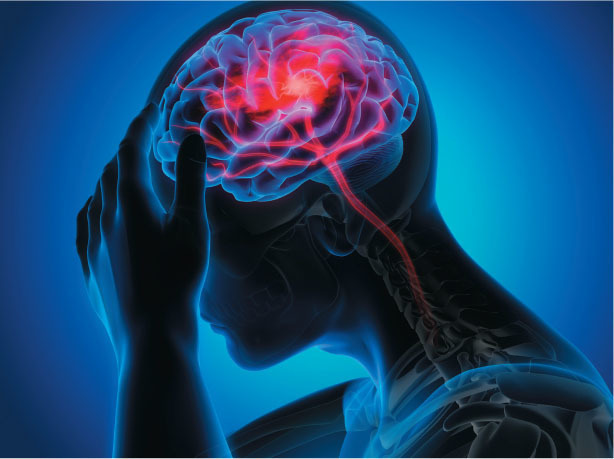
PTSD involves several interconnected brain systems that contribute to detecting threats, forming memories, and regulating emotional responses. Researchers have identified differences in the functioning of these systems among people with PTSD, although no single brain change explains every case.
The amygdala, a set of structures involved in detecting emotionally significant information and responding to potential threats, plays an important role in fear learning. In PTSD, threat-related responses can become unusually strong or difficult to regulate. This can contribute to heightened vigilance, exaggerated startle responses, and intense reactions to reminders of trauma.
The hippocampus helps organize memories in their context, including when and where events occurred. Traumatic memories can sometimes be experienced as fragmented, highly vivid, or difficult to place firmly in the past. When contextual information does not sufficiently distinguish a present-day reminder from the original danger, the person may react as though the traumatic event is happening again.
The prefrontal cortex, particularly regions involved in attention, decision-making, and emotional regulation, helps evaluate threats and modulate responses. Changes in communication between these regions and other parts of the brain may contribute to difficulty calming fear responses or recognizing that a situation is safe.
The body’s stress-response systems are also involved. These systems coordinate hormonal and nervous system activity during danger. Their functioning can differ in PTSD, but there is no single hormone level or biological test that reliably establishes the diagnosis.
These findings describe patterns observed across groups, not a universal neurological signature. PTSD is complex, and brain activity differs among individuals. Scientists continue to investigate how these mechanisms interact and why certain people develop persistent symptoms while others recover without developing the disorder.
What are the main symptoms of PTSD?
PTSD symptoms are generally grouped into four categories: intrusive memories, avoidance, negative changes in thoughts and mood, and changes in arousal and reactivity. A person may experience symptoms from all four categories, but the specific combination and severity vary.
Intrusive memories and re-experiencing
Intrusive symptoms occur when unwanted memories, images, emotions, or physical sensations related to trauma enter awareness. These experiences can feel difficult to control and may arise even when a person is trying to focus on something else.
Common symptoms include:
- Repeated, distressing memories of the traumatic event.
- Nightmares involving the event or related themes.
- Flashbacks, during which a person feels or behaves as though the trauma is happening again.
- Intense emotional distress when exposed to reminders of the event.
- Physical reactions, such as sweating, a racing heart, trembling, or shortness of breath, when confronted with trauma-related cues.
Flashbacks vary in intensity. Some involve a powerful sense of reliving the event, while others consist of vivid images, emotions, or bodily sensations that make it difficult to remain focused on the present.
These reactions are not deliberate. They can occur automatically when the brain associates a current cue with a past threat.
Avoidance of trauma-related reminders
Avoidance involves efforts to stay away from thoughts, feelings, people, places, conversations, or activities associated with the traumatic experience.
For example, someone who survived a serious car accident may avoid driving or traveling in a vehicle. A person who experienced violence may avoid particular locations or social situations that evoke memories of the event. Others may try to suppress their thoughts or refuse to discuss what happened.
Avoidance can provide short-term relief because it reduces contact with distressing reminders. Over time, however, persistent avoidance can interfere with work, relationships, treatment, and everyday activities. It can also prevent a person from learning that some reminders are no longer dangerous.
Not every effort to establish boundaries or avoid genuinely unsafe situations is a symptom of PTSD. The concern is persistent avoidance driven by trauma-related fear that causes distress or restricts daily life.
Negative changes in thoughts and mood
PTSD can affect how people think about themselves, other people, and the world. After trauma, a person may develop persistent beliefs such as “I am never safe,” “I cannot trust anyone,” or “Everything that happened was my fault.”
Other symptoms may include:
- Persistent fear, guilt, shame, anger, or sadness.
- Difficulty experiencing positive emotions.
- Loss of interest in activities that once felt meaningful.
- Feeling detached from family members, friends, or other people.
- Difficulty remembering important aspects of the traumatic event.
- Negative beliefs about oneself or the world.
- Reduced ability to feel connected, hopeful, or emotionally engaged.
These changes can affect relationships and self-esteem. Someone may withdraw from loved ones, feel unable to enjoy previously rewarding experiences, or interpret ordinary uncertainty as evidence of danger.
Memory gaps can occur, but they do not appear in every case. Difficulty recalling parts of an event should be understood in context rather than treated as proof of PTSD or of any particular traumatic experience.
Changes in arousal and reactivity
PTSD can leave the body and mind persistently prepared for danger. This heightened state of alertness can make it difficult to relax, sleep, concentrate, or feel comfortable in ordinary surroundings.
Symptoms may include:
- Being easily startled by unexpected sounds or movements.
- Constantly scanning the environment for possible threats.
- Irritability, anger, or sudden emotional outbursts.
- Difficulty concentrating or making decisions.
- Trouble falling asleep, staying asleep, or returning to sleep after nightmares.
- Reckless or self-destructive behavior in some cases.
A person may sit facing a door, check locks repeatedly, or feel uneasy when someone approaches unexpectedly. These behaviors can reflect an attempt to maintain a sense of control after an experience in which control was lost.
Persistent alertness can also be exhausting. Poor sleep and chronic stress may worsen concentration, mood, physical discomfort, and the ability to manage everyday responsibilities.
How long do PTSD symptoms last?
Distressing reactions immediately after trauma are common and do not automatically indicate PTSD. Many people experience temporary anxiety, intrusive memories, sleep disturbances, or emotional numbness as they begin to recover.
To meet the diagnostic criteria for PTSD, symptoms must persist for more than one month, cause significant distress or impairment, and satisfy specific requirements involving the symptom categories. They must also not be better explained by substances, medications, or another medical condition.
When significant trauma-related symptoms occur and persist from three days to one month after an event, a clinician may consider acute stress disorder. This condition can resemble PTSD, but the duration and diagnostic criteria differ.
PTSD can last for months or years without treatment, although its course is not the same for everyone. Symptoms may become less intense over time, fluctuate with stress, or reappear when new experiences trigger memories of the trauma.
Some people seek treatment soon after symptoms begin, while others may not recognize the connection between their difficulties and a past event for years. Treatment can still help when symptoms have been present for a long time.
How is PTSD diagnosed?
PTSD is diagnosed through a clinical assessment by a qualified mental health professional or other appropriately trained clinician. There is no blood test, brain scan, or single physical examination that can confirm the condition.
The assessment generally explores the traumatic exposure, the nature and duration of symptoms, their effect on daily functioning, and the person’s mental and physical health history. Clinicians may use structured interviews or standardized questionnaires to help identify symptoms and evaluate their severity.
A diagnosis requires more than having nightmares or feeling anxious after a frightening event. The clinician considers the pattern of symptoms, whether they meet established criteria, and whether another condition better explains them.
Several conditions can overlap with PTSD, including depression, anxiety disorders, panic disorder, substance use disorders, and traumatic brain injury. Some people have more than one condition at the same time. Sleep disorders and physical health problems may also contribute to symptoms.
A careful assessment helps distinguish these possibilities and identify treatment needs. People do not need to describe every detail of a traumatic event during an initial appointment to begin receiving appropriate care.
What treatments help PTSD?
Several treatments can reduce PTSD symptoms and improve daily functioning. Psychotherapies that directly address trauma have the strongest evidence among established approaches, and medication can be useful for some people.
Treatment should be individualized. A person’s symptoms, preferences, medical history, current safety, and access to care all influence which approach is appropriate. Recovery does not necessarily mean forgetting what happened; it means reducing the event’s continuing influence on thoughts, emotions, behavior, and everyday life.
Trauma-focused psychotherapy
Trauma-focused psychotherapy helps people process traumatic experiences, change unhelpful patterns of thinking and behavior, and learn that reminders of the past do not always signal present danger. Several approaches have substantial evidence supporting their use.
Cognitive processing therapy (CPT) focuses on beliefs that can develop after trauma, including excessive guilt, shame, self-blame, and assumptions that the world is entirely unsafe. Therapy helps people examine these beliefs, consider evidence, and develop more balanced interpretations of what happened.
Prolonged exposure therapy (PE) helps people gradually approach trauma-related memories and situations they have been avoiding. With the guidance of a trained therapist, they learn to tolerate distress and recognize that reminders can be experienced without the original danger recurring. Exposure is planned and structured rather than an uncontrolled confrontation with fear.
Eye movement desensitization and reprocessing (EMDR) combines attention to traumatic memories with a structured set of procedures that may include guided eye movements or other forms of alternating stimulation. The treatment aims to reduce the distress associated with traumatic memories. Research supports EMDR as a treatment for PTSD, although the precise contribution of its individual components remains an area of investigation.
Trauma-focused cognitive behavioral therapy (TF-CBT) is a related approach that combines cognitive and behavioral methods to address trauma-related thoughts, emotions, and responses. The specific form used depends on the person’s age, circumstances, and clinical needs.
These therapies differ in their techniques, but they share an important goal: helping the person process the traumatic experience rather than remain trapped in persistent fear and avoidance. Treatment can temporarily bring up difficult emotions, so it should proceed at a clinically appropriate pace with a trained professional.
Other forms of psychotherapy
Not everyone can begin trauma-focused treatment immediately, and not every approach is suitable for every person at every point in recovery. Supportive therapy and other psychological interventions may help with emotional regulation, coping skills, relationships, and practical problems.
For people experiencing severe sleep disturbances, substance use, depression, or other co-occurring conditions, addressing those difficulties may be an important part of treatment. In some cases, a clinician may recommend an initial period of stabilization before or alongside more direct trauma-focused work.
The choice of therapy should be based on clinical needs and informed discussion rather than the assumption that one approach works equally well for everyone.
Medications for PTSD
Medications can help reduce certain PTSD symptoms, particularly when symptoms are severe, psychotherapy is unavailable, or a person prefers medication as part of treatment.
Selective serotonin reuptake inhibitors (SSRIs), a class of antidepressants, are among the medications used to treat PTSD. Examples include sertraline and paroxetine. The serotonin-norepinephrine reuptake inhibitor (SNRI) venlafaxine is also used. These medications affect chemical signaling in the brain and may help reduce symptoms such as anxiety, depressed mood, and persistent distress.
Medication effects generally develop over time rather than immediately. A clinician can explain potential benefits, side effects, interactions, and the need for follow-up. Medication should not be stopped abruptly without medical guidance, because some drugs can cause withdrawal symptoms or a return of symptoms when discontinued too quickly.
Prazosin is sometimes prescribed for trauma-related nightmares, but evidence of its benefit has been mixed. It may help some people, and it is not universally effective. A clinician can assess whether it is appropriate for an individual’s symptoms and medical circumstances.
Benzodiazepines, which are sedative medications sometimes used for anxiety, are generally not recommended as a treatment for PTSD. They can cause dependence and other adverse effects, and evidence does not support them as an effective treatment for the underlying disorder.
Medication and psychotherapy can be used together when appropriate. Neither approach guarantees complete symptom relief, but both can form part of an effective treatment plan.
Can PTSD be treated without medication?
Yes. Many people receive PTSD treatment through psychotherapy without taking medication. Trauma-focused therapies are established treatment options and can produce meaningful improvements in symptoms, functioning, and quality of life.
The absence of medication does not mean treatment is less legitimate or that a person must manage symptoms alone. Therapy can provide structured support for processing trauma, changing patterns of avoidance, improving emotional regulation, and rebuilding daily routines.
Lifestyle measures may also support recovery. Regular sleep habits, physical activity suited to a person’s abilities, balanced nutrition, and meaningful social connections can improve general well-being. Mindfulness, breathing exercises, and other relaxation techniques may help some people manage distress in the moment.
These measures are supportive rather than substitutes for evidence-based PTSD treatment when the disorder is significantly affecting daily life. Alcohol and other substances may seem to provide temporary relief, but they can worsen sleep, mood, judgment, and other symptoms over time.
A sustainable treatment plan often combines professional care with practical strategies that help the person feel more stable and connected in everyday life.
How PTSD affects relationships, work, and physical health
PTSD can extend beyond the symptoms directly associated with traumatic memories. Persistent fear, irritability, emotional withdrawal, and sleep disruption can affect nearly every part of daily life.
In relationships, a person may have difficulty trusting others, tolerating conflict, expressing affection, or feeling emotionally present. Loved ones may misunderstand avoidance or irritability as indifference or hostility when these behaviors are partly driven by distress. Clear communication and supportive relationships can help, although family members are not responsible for treating the condition themselves.
At work or school, concentration problems, fatigue, heightened alertness, and distressing reminders may interfere with performance. A person may avoid particular environments, struggle with unexpected changes, or find it difficult to complete tasks after a poor night’s sleep.
PTSD is also associated with physical health concerns. Chronic sleep disruption and prolonged stress can contribute to fatigue, headaches, muscle tension, and difficulties maintaining healthy routines. People with PTSD may also have co-occurring medical conditions, depression, or substance use problems that complicate recovery.
These effects do not mean that PTSD inevitably leads to long-term disability. Appropriate treatment, supportive environments, and adjustments to work or daily responsibilities can help people regain functioning and improve quality of life.
PTSD in children and adolescents
Children and adolescents can develop PTSD after traumatic experiences, but their symptoms may differ from those commonly observed in adults. Their developmental stage affects how they understand danger, remember events, express emotions, and seek reassurance.
Younger children may reenact aspects of a traumatic experience through play, experience frightening dreams without clearly recognizable content, become unusually clingy, or show increased irritability. School-aged children may struggle with concentration, withdraw from friends, develop new fears, or experience physical complaints without an obvious medical explanation.
Adolescents may display symptoms similar to adults, including intrusive memories, avoidance, guilt, emotional numbness, and heightened alertness. Some may also engage in risky behavior or use substances in an attempt to manage distress.
A child’s symptoms can be difficult to distinguish from other reactions to stress, so assessment by a qualified professional is important. Trauma-focused cognitive behavioral therapy is one established treatment for children and adolescents, with the specific approach adapted to developmental needs and circumstances.
Caregivers can support recovery by providing predictable routines, listening without pressuring the child to disclose details, acknowledging feelings, and helping maintain a sense of safety. Adults should not assume that a child is unaffected simply because the child does not discuss the event.
How to support someone with PTSD
Support from family members, friends, and trusted colleagues can help a person with PTSD feel less isolated. The most useful approach is generally patient, respectful, and nonjudgmental.
Listening without forcing someone to describe a traumatic experience can communicate care while preserving a sense of control. It is often more helpful to ask what support the person wants than to assume that talking about the event is always beneficial.
Avoid telling someone to forget the experience, move on, or stop overreacting. These statements can increase shame and do not address the involuntary nature of PTSD symptoms. Instead, acknowledge that the distress is real and encourage professional help when symptoms are persistent or disruptive.
Practical support may include helping with everyday responsibilities, accompanying someone to an appointment if requested, or learning how symptoms affect their routines. Respecting boundaries is equally important. A supportive person can encourage recovery but cannot force it or replace professional treatment.
If someone expresses suicidal thoughts, threatens to harm themselves or others, or cannot remain safe, prompt professional assistance is necessary. In the United States, people experiencing a mental health crisis can call or text 988 for support through the Suicide and Crisis Lifeline. If there is immediate danger or a medical emergency, call 911.
When to seek professional help
Consider seeking an evaluation if trauma-related memories, nightmares, avoidance, fear, emotional numbness, or heightened alertness persist and interfere with sleep, relationships, work, school, or everyday activities. It is also appropriate to seek help earlier if symptoms feel overwhelming or make it difficult to function.
A primary care clinician can discuss symptoms, assess possible medical contributors, and help connect a person with a qualified mental health professional. Psychologists, psychiatrists, licensed clinical social workers, and other appropriately trained clinicians may provide assessment or treatment, depending on their qualifications and scope of practice.
People do not need to wait until symptoms become severe before asking for help. Early assessment can clarify whether symptoms are part of a short-term response to trauma, acute stress disorder, PTSD, or another condition.
PTSD can be persistent, but it is not necessarily permanent. With appropriate care, many people experience substantial improvement and learn to manage symptoms more effectively. Recovery may take time, and setbacks can occur, but a traumatic experience does not have to continue defining a person’s emotional life, relationships, or future.