Heterocyclic compounds are organic chemical compounds that contain at least one ring with an atom other than carbon. This additional atom, called a heteroatom, is commonly nitrogen, oxygen, or sulfur. Heterocyclic compounds occur in many essential biological molecules, including DNA, RNA, vitamins, and several amino acids. They are also widely used in medicines, agricultural chemicals, dyes, plastics, and advanced materials.
Their importance comes from the way ring structure and heteroatom identity influence chemical behavior. A single nitrogen or oxygen atom within a ring can change how a molecule interacts with water, how readily it reacts with other substances, and how it binds to proteins or other biological targets. These structural differences allow chemists to design compounds with a broad range of properties and applications.
What makes a compound heterocyclic?
Organic chemistry primarily studies compounds built around carbon atoms. In many organic molecules, carbon atoms connect to form chains or rings. A ring containing only carbon atoms is called a carbocycle. A ring containing at least one noncarbon atom is called a heterocycle.
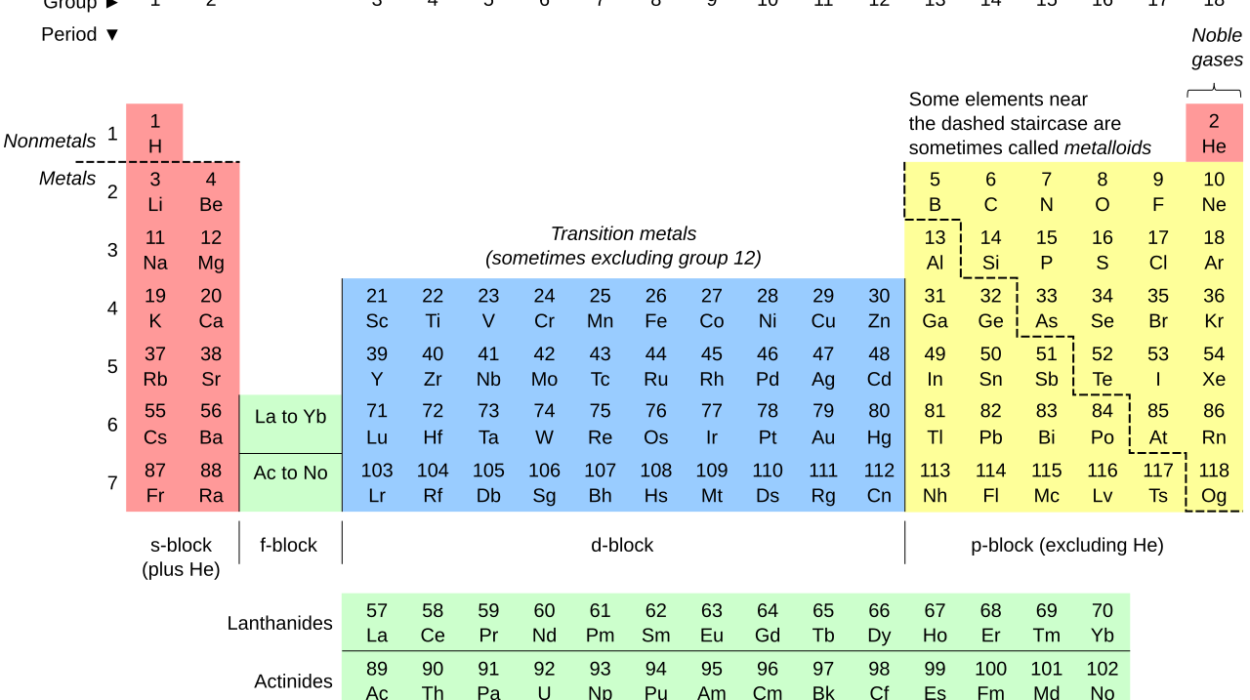
The noncarbon atom is known as a heteroatom. Nitrogen, oxygen, and sulfur are the most common heteroatoms in organic heterocycles, although phosphorus and other elements can also occur in these structures.
For example, cyclohexane is a six-membered ring made entirely of carbon atoms. It is a carbocyclic compound. Pyridine, by contrast, has a six-membered ring containing five carbon atoms and one nitrogen atom. Because nitrogen occupies a position within the ring, pyridine is heterocyclic.
The heteroatom is part of the ring itself, not merely attached to its outside. A molecule containing a carbon ring with an oxygen-containing side group is not necessarily heterocyclic. The classification depends on whether a noncarbon atom forms part of the ring structure.
Heterocyclic compounds can be small and relatively simple or large and structurally complex. Some contain a single ring, while others contain several rings joined together or fused along shared edges. Their properties depend on the ring size, the number and identity of heteroatoms, the arrangement of chemical bonds, and the presence of additional functional groups.
How heterocyclic structures influence chemical behavior
The chemical behavior of a heterocyclic compound depends on more than the presence of a ring. Ring size, bonding patterns, electron distribution, and the position of heteroatoms all contribute to its stability and reactivity.
Ring size and arrangement
Heterocyclic rings commonly contain three, four, five, or six atoms, although larger rings also exist. Five- and six-membered rings are particularly widespread because they can adopt arrangements that provide favorable combinations of bond angles, flexibility, and electronic stability.
Small rings may experience substantial angle strain because their bond angles differ from the angles preferred by their constituent atoms. This strain can make certain small-ring compounds more reactive. Larger rings may have greater flexibility, allowing them to adopt different three-dimensional shapes.
The arrangement of atoms also matters. Two compounds can contain the same number of carbon, nitrogen, and oxygen atoms yet have different properties if those atoms occupy different positions within the ring.
The role of heteroatoms
Heteroatoms influence how electrons are distributed throughout a molecule. Nitrogen, oxygen, and sulfur differ from carbon in their electronegativity, bonding behavior, and ability to donate or accept electron density.
These differences affect polarity, acidity, basicity, and the kinds of reactions a compound undergoes.
For example, a nitrogen atom in a suitable ring environment can accept a proton, making the compound basic. Other nitrogen atoms have their lone electron pairs involved in aromatic bonding and are much less available for proton acceptance. Consequently, not every nitrogen-containing heterocycle behaves as a strong base.
Oxygen and sulfur also influence electron distribution, but their effects depend on the surrounding atoms and bonds. The same heteroatom can behave differently in different molecular environments.
Aromaticity and electron delocalization
Many important heterocyclic compounds are aromatic. Aromaticity is a form of electronic stabilization associated with a cyclic, conjugated system in which electrons are delocalized across several atoms.
Delocalization means that electrons are not confined to a single bond or atom but are distributed across a connected region of the molecule. This arrangement can make an aromatic ring more stable than comparable structures with localized bonds.
Pyridine and pyrrole illustrate two different ways nitrogen participates in aromatic rings. Pyridine contains a six-membered aromatic ring in which nitrogen contributes one electron to the aromatic system while retaining a lone pair that can accept a proton. Pyrrole contains a five-membered aromatic ring in which nitrogen’s lone pair contributes to the aromatic electron system.
This difference helps explain why pyridine is more readily protonated than pyrrole. It also demonstrates why the identity of an atom alone cannot predict a compound’s properties: its bonding environment matters just as much.
Not all heterocyclic compounds are aromatic. Some contain only single bonds, some have localized double bonds, and others combine aromatic and nonaromatic rings. Their chemical behavior reflects these structural distinctions.
Major types of heterocyclic compounds
Heterocyclic compounds can be classified according to ring size, the identity and number of heteroatoms, the presence of aromaticity, and the arrangement of multiple rings. These categories help chemists describe structures and anticipate their properties.
Five-membered heterocyclic compounds
Five-membered heterocycles are common in biological molecules, pharmaceuticals, and synthetic chemistry. Many have one or more heteroatoms and may be aromatic.
Pyrrole contains four carbon atoms and one nitrogen atom in an aromatic five-membered ring. Pyrrole units occur in larger structures such as porphyrins, which are important in biological systems.
Furan contains four carbon atoms and one oxygen atom. It is an aromatic heterocycle used in chemical synthesis and as a starting point for producing other organic compounds.
Thiophene contains four carbon atoms and one sulfur atom. Its aromatic ring appears in numerous organic compounds, including materials used in organic electronics.
Imidazole contains three carbon atoms and two nitrogen atoms in a five-membered aromatic ring. The imidazole group is found in the amino acid histidine and participates in many biochemical processes.
Oxazole contains one oxygen atom and one nitrogen atom in a five-membered aromatic ring. Oxazole derivatives occur in medicinal chemistry and are used in developing compounds with varied biological activities.
Although these compounds share a five-membered ring, their different heteroatoms and bonding arrangements produce distinct chemical properties.
Six-membered heterocyclic compounds
Six-membered heterocycles are equally important, particularly in pharmaceuticals, biological chemistry, and industrial synthesis.
Pyridine resembles benzene in its ring arrangement but contains one nitrogen atom in place of a carbon atom. Its nitrogen lone pair can accept a proton, and pyridine derivatives serve as solvents, reagents, and building blocks for other compounds.
Pyrimidine contains two nitrogen atoms in a six-membered aromatic ring. Pyrimidine rings occur in the nucleobases cytosine, thymine, and uracil, which are components of DNA and RNA.
Pyrazine contains two nitrogen atoms positioned opposite one another in a six-membered aromatic ring. Pyrazine derivatives are used in chemical synthesis and occur in compounds responsible for certain food aromas.
Piperidine is a six-membered saturated heterocycle containing one nitrogen atom. Unlike pyridine, it does not have an aromatic ring. Piperidine and its derivatives are widely used in the synthesis of pharmaceuticals and other organic compounds.
Morpholine contains one nitrogen atom and one oxygen atom in a six-membered saturated ring. Its structure gives it a combination of polar and nonpolar features, making morpholine derivatives useful in several industrial and pharmaceutical applications.
The distinction between aromatic rings, such as pyridine, and saturated rings, such as piperidine, is especially important. Even when two compounds have the same number of ring atoms, differences in bonding can substantially change their reactivity and physical properties.
Fused heterocyclic compounds
Some heterocyclic compounds contain two or more rings that share atoms and bonds. These are called fused-ring systems.
Indole consists of a benzene ring fused to a pyrrole ring. It occurs in tryptophan, an essential amino acid, and in numerous natural products and pharmaceutical compounds.
Quinoline contains a benzene ring fused to a pyridine ring. Quinoline derivatives have been used in medicinal chemistry, dyes, and chemical manufacturing.
Purine is a fused heterocyclic system containing a six-membered ring joined to a five-membered ring. Its derivatives include adenine and guanine, two of the principal nucleobases found in DNA and RNA.
Fused rings can create extended systems of electron delocalization and provide distinctive shapes for molecular interactions. Their rigid structures can also help determine how a molecule fits into a protein binding site.
Saturated and partially saturated heterocycles
A heterocyclic compound does not need to be aromatic. Saturated heterocycles contain only single bonds between the atoms in the ring, while partially saturated heterocycles contain a mixture of single and multiple bonds.
Tetrahydrofuran, often abbreviated THF, is a five-membered saturated ring containing one oxygen atom. It is widely used as an organic solvent.
Piperidine and morpholine are examples of saturated six-membered heterocycles. Their nitrogen atoms can influence basicity and hydrogen bonding, while their three-dimensional shapes affect how they interact with other molecules.
These compounds are particularly valuable in pharmaceutical chemistry because saturated rings can provide a useful balance of structural flexibility, molecular shape, and polarity.
How heterocyclic compounds are named
Chemists use systematic naming rules to describe heterocyclic structures precisely. These rules identify the ring size, the types and positions of heteroatoms, the degree of saturation, and any additional substituents.
Common names such as pyridine, pyrrole, furan, and imidazole are widely used because they are concise and well established. More complex compounds may require systematic names that specify the positions of atoms and functional groups.
Numbering a heterocyclic ring generally begins at a heteroatom according to the applicable naming rules, allowing the positions of other atoms and substituents to be identified consistently.
For example, a methyl group attached to one position of a pyridine ring produces a methylpyridine isomer. Moving that methyl group to another position changes the compound’s identity and may alter its chemical properties.
This positional variation is important in research and manufacturing. Two molecules with the same molecular formula can have different structures and biological effects because their atoms or substituents are arranged differently.
Heterocyclic compounds in living organisms
Heterocyclic structures are fundamental to life. They help form the molecules that store genetic information, support metabolism, transport oxygen, and enable many biochemical reactions.
DNA and RNA
DNA and RNA contain nitrogen-containing heterocycles called nucleobases. DNA uses adenine, guanine, cytosine, and thymine, while RNA uses adenine, guanine, cytosine, and uracil.
Adenine and guanine belong to the purine family, while cytosine, thymine, and uracil belong to the pyrimidine family.
These bases pair through specific hydrogen-bonding interactions, helping DNA maintain its familiar double-helical structure and allowing genetic information to be copied. Their heterocyclic ring systems provide the electronic and structural features needed for these interactions.
The bases are not simply structural components. Their sequences encode genetic information, and their chemical properties influence how nucleic acids interact with enzymes and other cellular molecules.
Vitamins and coenzymes
Several vitamins and coenzymes contain heterocyclic rings. These structures help the molecules participate in reactions necessary for normal metabolism.
Thiamine, or vitamin B₁, contains a thiazolium ring, which plays an important role in its biochemical activity. Thiamine-derived coenzymes help enzymes process certain carbon-containing compounds.
Riboflavin, or vitamin B₂, contains an isoalloxazine ring system. Its derivatives, flavin mononucleotide and flavin adenine dinucleotide, participate in oxidation-reduction reactions, which involve the transfer of electrons.
Nicotinamide, a component of niacin-related coenzymes, contains a pyridine ring. Nicotinamide adenine dinucleotide helps transfer electrons during cellular metabolism.
These examples show that heterocyclic rings can support different biochemical functions depending on their electronic structures and the larger molecules in which they occur.
Hemoglobin and chlorophyll
Some biologically important heterocyclic structures occur within large ring systems that coordinate metal ions.
Heme, the iron-containing component of hemoglobin, contains a porphyrin ring system built from four nitrogen-containing pyrrole-derived units. The iron atom within heme binds oxygen reversibly, allowing hemoglobin to transport oxygen through the bloodstream.
Chlorophyll, the pigment responsible for absorbing light during photosynthesis, contains a related tetrapyrrole-derived ring system that coordinates magnesium.
Although heme and chlorophyll perform different functions, both demonstrate how heterocyclic structures can organize atoms around a metal center and help control its chemical behavior.
Uses of heterocyclic compounds in medicine
Heterocyclic compounds are especially important in pharmaceutical chemistry. Many medicines contain at least one heterocyclic ring, although their therapeutic effects depend on the complete molecular structure rather than the ring alone.
A drug must interact with particular biological molecules, such as enzymes, receptors, or ion channels, to produce its intended effect. Heterocyclic rings can help establish the correct molecular shape and provide atoms that form hydrogen bonds or other interactions with these targets.
Their heteroatoms also influence properties such as solubility, basicity, and the ability to cross biological membranes. These characteristics affect how a drug is absorbed, distributed through the body, metabolized, and eliminated.
For example, the antibiotic ciprofloxacin contains a nitrogen-containing quinolone ring system, while the antiviral drug acyclovir contains a guanine-related heterocyclic base. Both illustrate the importance of heterocyclic structures in medicines, although their mechanisms of action differ.
Heterocycles also appear in medicines used to treat cardiovascular disease, cancer, infections, neurological conditions, and many other disorders.
Chemists frequently modify heterocyclic structures to improve a compound’s effectiveness, selectivity, stability, or safety. Changing a nitrogen position, adding a substituent, or replacing one heteroatom with another can alter how the molecule interacts with a biological target.
However, the presence of a heterocyclic ring does not automatically make a compound medicinally useful or safe. Some heterocycles are biologically inactive, some are toxic, and others require extensive testing before they can be used as medicines.
Industrial and agricultural applications
Beyond biology and medicine, heterocyclic compounds contribute to numerous industrial processes and products.
Agricultural chemicals
Many herbicides, fungicides, and insecticides contain heterocyclic rings. These structures can help a compound bind to a particular biological target in a weed, fungus, or insect.
The effectiveness and selectivity of an agricultural chemical depend on its complete molecular structure, its behavior in the environment, and the biology of the organism it is intended to control.
Heterocyclic compounds are therefore important starting points in the development of crop-protection products. Their environmental persistence, toxicity to nontarget organisms, and potential effects on human health must still be evaluated individually.
Dyes and pigments
Some heterocyclic compounds absorb visible light because their electronic structures allow them to interact with particular wavelengths of light. This property makes certain derivatives useful in dyes, pigments, and color-producing materials.
Extended systems of conjugated bonds can alter which wavelengths a molecule absorbs, influencing the color that it appears to have. Heteroatoms and substituents can modify these electronic properties.
Heterocyclic structures are also found in fluorescent dyes and compounds used in chemical detection, where changes in light emission can provide information about a substance or environment.
Polymers and electronic materials
Some heterocyclic compounds are used to produce polymers with specialized electrical, optical, or mechanical properties.
Polythiophenes, for example, are a family of polymers built from thiophene-derived units. Certain members can conduct electricity under appropriate conditions, making them useful in research and applications involving organic electronics, sensors, and light-emitting devices.
Other heterocyclic building blocks are used in materials designed for coatings, specialty plastics, and functional surfaces.
The usefulness of these materials depends on factors such as molecular arrangement, chain length, processing conditions, and the interactions between neighboring molecules. A heterocyclic ring can provide useful electronic properties, but the performance of the final material depends on the complete structure.
Solvents and chemical manufacturing
Several heterocyclic compounds serve as solvents or intermediates in chemical synthesis.
Tetrahydrofuran is a widely used solvent for many organic reactions because it can dissolve a broad range of substances and coordinate with certain reactive chemical species. Pyridine is used as a reagent or solvent in selected chemical processes, while piperidine is an important building block in organic synthesis.
Chemical manufacturers also use heterocyclic intermediates to prepare pharmaceuticals, agricultural products, fragrances, and other specialized compounds.
The choice of a solvent or intermediate depends on its chemical compatibility, physical properties, safety requirements, cost, and the needs of the process.
How chemists synthesize heterocyclic compounds
Heterocyclic compounds can be produced through several types of chemical reactions. The appropriate method depends on the desired ring size, the heteroatoms involved, and the functional groups that must remain in the final product.
One common approach is cyclization, a process in which a molecule forms a new bond that closes a chain into a ring. If the starting molecule contains the appropriate atoms and functional groups, cyclization can produce a heterocyclic structure directly.
Another strategy involves combining smaller molecules to construct a ring. In some reactions, two or more reactants form several new bonds in a single sequence, producing a heterocycle with multiple functional groups already in place.
Chemists may also modify an existing ring. They can introduce substituents, change the oxidation state of particular atoms, reduce double bonds, or convert one functional group into another.
For aromatic heterocycles, synthesis often requires conditions that favor the formation of a stable conjugated ring system. Other methods are designed to produce saturated or partially saturated rings.
The efficiency of a synthesis depends on more than whether the target compound forms. Chemists also consider reaction yield, selectivity, purification, waste generation, cost, and the safety of the reagents and conditions.
Modern synthetic chemistry increasingly emphasizes methods that reduce hazardous waste and unnecessary energy consumption while producing compounds with the required purity and performance.
How heterocyclic compounds differ in solubility and reactivity
Two heterocyclic compounds with similar ring structures may behave differently when mixed with water, exposed to heat, or combined with other chemicals.
Solubility is influenced by molecular polarity, hydrogen bonding, ionization, and the balance between polar and nonpolar parts of a molecule. Nitrogen- and oxygen-containing groups can increase interactions with water, but the overall effect depends on the entire structure.
A basic heterocycle may accept a proton in an acidic solution, forming a positively charged species. This process can increase its water solubility because charged molecules often interact more strongly with water than their neutral forms do.
The relationship is not universal. A large hydrophobic portion of a molecule may limit its solubility even when the molecule contains several polar heteroatoms.
Reactivity also depends on electron distribution and molecular structure. Aromatic heterocycles may undergo reactions that preserve their aromaticity, while saturated heterocycles can participate in different types of transformations. The availability of lone electron pairs, the presence of reactive substituents, and the strain within a ring can all affect which reactions occur.
These properties explain why chemists cannot classify all heterocyclic compounds as having the same behavior. The category includes molecules with a wide range of chemical characteristics.
Are heterocyclic compounds safe?
Heterocyclic compounds are not inherently safe or dangerous simply because they contain a ring with a heteroatom. Their effects depend on their individual chemical structures, concentrations, exposure routes, and interactions with biological systems.
Some heterocycles are essential components of life, while others are useful medicines when administered appropriately. Certain compounds can also be harmful, particularly when they interfere with important biological processes or react with cellular components.
Safety assessments consider acute toxicity, long-term effects, environmental behavior, and the conditions under which a substance is used. A compound intended for pharmaceutical use must undergo appropriate testing for effectiveness and potential adverse effects. Industrial chemicals require controls suited to their specific hazards and exposure risks.
It is also important to distinguish the safety of a compound from the safety of the materials or products made from it. A heterocyclic starting material may have different hazards from the purified medicine, polymer, or other product manufactured using that material.
Understanding molecular structure helps scientists identify potential hazards, but structural information alone cannot establish that a particular compound is safe.
Why heterocyclic compounds matter in chemistry
Heterocyclic compounds connect fundamental chemical principles with practical applications. Their rings provide defined molecular frameworks, while heteroatoms influence electron distribution, polarity, acidity, basicity, and chemical reactivity.
These features help explain their roles in genetic material, vitamins, coenzymes, oxygen transport, medicines, agricultural chemicals, dyes, solvents, and electronic materials.
The central principle is that small changes in molecular structure can produce substantial changes in chemical behavior. Moving a nitrogen atom within a ring, changing the ring’s saturation, or introducing another functional group can alter how a compound interacts with its surroundings.
For chemists, heterocyclic compounds are therefore more than a broad class of ring-shaped molecules. They are versatile structures that can be modified to achieve specific chemical, biological, and material properties. Their continuing importance lies in the ability to connect molecular design with functions that are essential to living systems and modern technology.