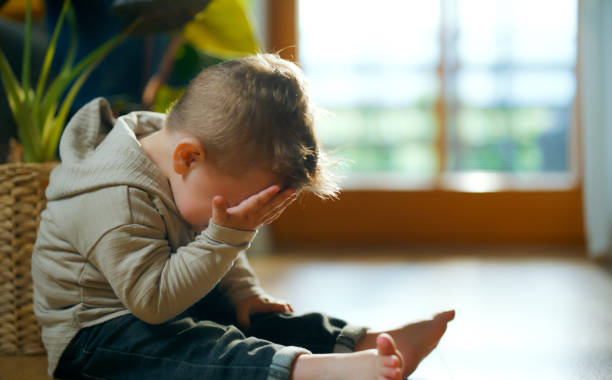
Every person carries a story.
Some stories are filled with warmth, encouragement, and happy memories. Others include painful experiences that began long before adulthood. For many people, childhood was not always a place of safety. It may have been marked by neglect, emotional abuse, physical abuse, sexual abuse, domestic violence, bullying, the loss of a parent, chronic criticism, or growing up in an unpredictable home.
Although childhood eventually ends, its emotional impact often does not.
The experiences we have during our earliest years help shape how we see ourselves, how we understand other people, and what we expect from relationships. When children grow up feeling safe, loved, and emotionally supported, they often develop a strong foundation for healthy relationships later in life. But when childhood includes trauma, the brain and body learn different lessons—lessons centered around survival rather than connection.
This does not mean that every person who experiences childhood trauma will struggle with relationships forever. Human beings are remarkably resilient. Many people heal, build healthy partnerships, and create loving families despite painful beginnings. However, understanding how childhood trauma influences adult relationships can help explain behaviors that might otherwise seem confusing or frustrating.
A person who struggles to trust others may not simply be “too suspicious.” Someone who avoids emotional closeness may not be cold or uncaring. Another person who constantly fears abandonment may not be overly dramatic. In many cases, these patterns developed as ways to survive difficult experiences during childhood.
Modern psychology and neuroscience have shown that early experiences shape the developing brain, influence emotional regulation, affect attachment styles, and impact relationship patterns throughout life. Fortunately, research also shows that healing is possible. With self-awareness, supportive relationships, and, when needed, professional help, people can gradually replace old survival strategies with healthier ways of connecting.
Understanding childhood trauma is not about blaming the past for every present difficulty. It is about recognizing how early experiences can influence adulthood—and how people can move toward healthier, more secure relationships.
What Is Childhood Trauma?
Childhood trauma refers to experiences that overwhelm a child’s ability to cope and create lasting emotional, psychological, or physical effects.
Trauma can result from a single frightening event, such as a serious accident or natural disaster. It can also develop from repeated experiences over months or years.
For many children, trauma involves ongoing situations rather than one isolated event.
These may include emotional neglect, physical abuse, sexual abuse, witnessing domestic violence, living with a caregiver who struggles with addiction, growing up in extreme poverty, experiencing discrimination, losing a loved one, or living in a home filled with constant conflict.
Importantly, trauma is not defined only by what happened.
It is also shaped by how the child experienced those events and whether supportive adults were available to provide safety and comfort afterward.
Two children can experience similar situations but respond differently depending on their environment, temperament, and available support.
How Childhood Shapes the Developing Brain
Childhood is one of the most important periods of brain development.
During these early years, the brain builds connections based on repeated experiences.
When children consistently experience love, protection, and predictable caregiving, their brains learn that the world is generally safe and that other people can be trusted.
When children repeatedly experience fear, unpredictability, or neglect, the brain adapts differently.
Instead of focusing primarily on learning and exploration, it prioritizes survival.
Stress hormones such as cortisol may remain elevated for long periods.
The brain becomes highly alert to possible danger.
This adaptation can be life-saving during childhood.
However, when these survival responses continue into adulthood, they may create difficulties in relationships where genuine safety exists.
The brain continues responding as though old threats are still present.
Understanding Attachment
One of the most influential ideas in psychology is attachment theory.
Attachment refers to the emotional bond that develops between a child and their primary caregivers.
When caregivers consistently respond with warmth, protection, and reliability, children often develop secure attachment.
They learn that relationships are generally dependable.
They become comfortable seeking support while also developing independence.
When caregiving is inconsistent, frightening, neglectful, or unpredictable, children may develop insecure attachment patterns.
These patterns are not personality flaws.
They are adaptations to early environments.
Attachment styles often continue influencing adult relationships, although they can change through healing and positive experiences.
The Search for Safety
At its core, every close relationship involves a search for emotional safety.
People want to feel accepted, understood, respected, and valued.
For someone who experienced childhood trauma, this search can become much more complicated.
Part of them may deeply long for closeness.
Another part may fear it.
They may crave intimacy while simultaneously expecting rejection.
This inner conflict can create confusing relationship patterns that neither partner fully understands.
Recognizing these patterns is often the first step toward change.
Difficulty Trusting Others
Trust develops gradually when children repeatedly experience dependable care.
If adults frequently broke promises, ignored emotional needs, or caused harm, trusting others later in life may feel risky.
An adult survivor of childhood trauma may question people’s intentions even when no clear evidence of danger exists.
They may expect betrayal because betrayal happened before.
This does not mean they want to distrust others.
Their nervous system learned that trust could lead to pain.
Building trust often requires repeated experiences of safety over time.
Fear of Abandonment
One of the most common effects of childhood trauma is a deep fear of being abandoned.
Children naturally depend on caregivers for survival.
When caregivers become emotionally unavailable, inconsistent, or leave unexpectedly, children may develop intense anxiety about losing important relationships.
As adults, this fear can appear in many ways.
Someone may constantly seek reassurance that their partner still loves them.
Small disagreements may feel like signs that the relationship is ending.
Delayed text messages or changes in tone may trigger overwhelming anxiety.
Although these reactions can seem disproportionate to the situation, they often reflect earlier experiences rather than current reality.
Avoiding Emotional Closeness
Not everyone responds to trauma by seeking greater closeness.
Some people respond in the opposite way.
If emotional vulnerability repeatedly led to disappointment or harm during childhood, emotional distance may have become a protective strategy.
These individuals may appear independent, self-sufficient, or emotionally reserved.
Deep inside, they may fear that intimacy will eventually result in pain.
Keeping emotional distance feels safer than risking heartbreak.
Their avoidance is usually not a lack of caring.
It is often a way of protecting themselves from experiences their brain expects to repeat.
Emotional Regulation Can Become More Difficult
Children learn emotional regulation through relationships.
When caregivers help children calm down after distress, the child’s brain gradually develops healthy coping skills.
Trauma can interrupt this learning process.
As adults, survivors may experience emotions more intensely.
Anger, sadness, fear, shame, or anxiety may feel overwhelming.
Minor conflicts may trigger reactions that seem much larger than the situation itself.
These responses often reflect a nervous system that learned to stay highly alert.
With practice and support, emotional regulation skills can improve significantly throughout adulthood.
Low Self-Esteem and Self-Worth
Many forms of childhood trauma affect how children see themselves.
If children repeatedly hear criticism, rejection, humiliation, or emotional neglect, they may begin believing they are unworthy of love or respect.
These beliefs often continue into adulthood.
Someone may constantly doubt whether they deserve healthy relationships.
They may tolerate disrespect because it feels familiar.
Compliments may feel uncomfortable because they conflict with deeply rooted beliefs about themselves.
Healing often involves gradually replacing these inaccurate beliefs with healthier, more compassionate perspectives.
People-Pleasing as a Survival Strategy
Many trauma survivors become exceptionally skilled at noticing other people’s moods.
As children, this ability may have helped them predict danger or avoid conflict.
They learned to keep everyone else happy.
In adulthood, this can become chronic people-pleasing.
They may struggle to say no.
They may ignore their own needs.
They may feel responsible for everyone else’s emotions.
Although kindness is valuable, constantly sacrificing one’s own well-being often leads to exhaustion and resentment.
Learning healthy boundaries becomes an important part of recovery.
Difficulty Setting Boundaries
Healthy boundaries develop when children learn that their thoughts, feelings, and personal space matter.
Trauma can interfere with this learning.
Adults who experienced childhood trauma may struggle to recognize when someone is treating them unfairly.
They may feel guilty for expressing their needs.
Others may become extremely rigid, creating emotional walls that prevent closeness altogether.
Healthy boundaries are neither overly weak nor excessively rigid.
They allow connection while protecting well-being.
Developing balanced boundaries often takes time and practice.
Repeating Familiar Relationship Patterns
One of the most puzzling aspects of childhood trauma is that people sometimes find themselves entering relationships that resemble painful early experiences.
This does not happen because they enjoy suffering.
Instead, the brain is naturally drawn toward what feels familiar.
Familiarity is not always the same as safety.
Someone who grew up with emotional unpredictability may unconsciously feel more comfortable in unpredictable relationships because they resemble childhood.
Recognizing these patterns allows people to make different choices.
Awareness creates opportunities for change.
Conflict May Feel Threatening
Every healthy relationship includes occasional disagreements.
For trauma survivors, however, conflict may trigger intense fear.
Arguments may remind them of frightening childhood experiences.
They may shut down emotionally, become defensive, withdraw completely, or react with overwhelming emotion.
Their nervous system may interpret ordinary disagreements as signs of serious danger.
Learning that respectful conflict can strengthen relationships rather than destroy them is an important part of healing.
The Role of Shame
Shame differs from guilt.
Guilt says, “I made a mistake.”
Shame says, “There is something wrong with me.”
Many childhood trauma survivors carry deep shame that originated in environments where they were blamed, criticized, ignored, or mistreated.
Even after entering loving relationships, shame may continue whispering that they are unlovable.
Recognizing that these beliefs originated in past experiences—not objective truth—is an essential step toward healing.
Trauma Can Affect Physical Intimacy
Childhood trauma can also influence physical closeness.
For some survivors, physical affection feels comforting.
For others, it may trigger anxiety, fear, or emotional discomfort, particularly if trauma involved physical or sexual abuse.
Every survivor responds differently.
Healing requires patience, open communication, and respect for personal comfort levels.
No single response is “normal.”
Each person’s experience deserves understanding rather than judgment.
Healthy Relationships Can Be Healing
One of the most hopeful findings in psychology is that relationships themselves can support healing.
Consistent kindness, emotional safety, honesty, and respect gradually teach the brain that not every relationship follows old patterns.
Supportive partners, friends, family members, mentors, and therapists can all contribute to this process.
Healing does not erase the past.
Instead, it creates new experiences that help reshape expectations for the future.
Trust grows through repeated moments of safety.
The Importance of Self-Compassion
Many trauma survivors judge themselves harshly.
They criticize themselves for struggling with trust, anxiety, or emotional regulation.
Self-compassion offers a healthier alternative.
Self-compassion means recognizing your suffering without adding unnecessary self-criticism.
It acknowledges that your survival strategies developed for understandable reasons.
Instead of asking, “What’s wrong with me?” a more helpful question becomes, “What happened to me, and how can I heal?”
This shift reduces shame and encourages growth.
Therapy Can Support Healing
Professional therapy has helped many trauma survivors improve their relationships.
Different therapeutic approaches may be helpful depending on individual needs.
Some therapies focus on understanding relationship patterns.
Others teach emotional regulation skills.
Certain evidence-based treatments specifically address traumatic memories and their ongoing effects.
Healing is rarely quick.
It often involves gradual progress rather than sudden transformation.
Nevertheless, meaningful change is entirely possible.
Many people build healthier relationships than they ever imagined possible.
Healing Is Not Linear
Recovery from childhood trauma rarely follows a straight path.
Some days bring confidence and hope.
Other days old fears return unexpectedly.
Progress may feel slow.
This does not mean healing has failed.
Growth often occurs gradually.
Small changes accumulate over time.
Every healthy conversation, every respected boundary, every moment of self-compassion strengthens new emotional pathways.
Patience is an important part of recovery.
Supporting Someone With Childhood Trauma
If someone you love experienced childhood trauma, patience and empathy matter enormously.
Healing cannot be forced.
Creating emotional safety often involves listening without judgment, respecting boundaries, communicating honestly, and remaining consistent.
You do not need to become their therapist.
Simply being dependable, respectful, and emotionally available can make a meaningful difference.
Healthy support encourages growth without trying to control another person’s healing journey.
Breaking the Cycle
One of the most inspiring aspects of trauma recovery is that cycles can be broken.
Parents who experienced difficult childhoods often become deeply committed to creating safer environments for their own children.
Partners learn healthier communication.
Friends practice honesty and respect.
Individuals develop emotional awareness that previous generations may never have had the opportunity to learn.
Healing benefits not only one person but also future relationships and families.
Hope Beyond Childhood Trauma
Perhaps the most important message is that childhood trauma does not determine the rest of your life.
It influences you, but it does not define you.
The brain remains capable of change throughout adulthood.
New experiences create new neural pathways.
Supportive relationships foster greater emotional security.
Self-awareness allows old survival strategies to be replaced with healthier ways of connecting.
Many people who experienced significant childhood trauma eventually build deeply loving, stable, and fulfilling relationships.
Their past becomes one chapter of their story rather than the entire story.
Conclusion
Childhood trauma can leave lasting emotional footprints that extend far into adulthood, especially in close relationships. Early experiences of neglect, abuse, loss, or instability can shape how people view themselves, how they trust others, and how they respond to love, conflict, and emotional intimacy. Many behaviors that seem confusing on the surface—such as fear of abandonment, difficulty trusting, emotional withdrawal, or people-pleasing—often began as survival strategies developed during childhood.
Understanding these patterns is not about placing blame on the past or believing that change is impossible. Instead, it is about recognizing that the human brain and nervous system adapt to early experiences, and those adaptations can continue influencing adult life until they are understood and addressed. The encouraging news is that healing is possible. Through self-awareness, supportive relationships, healthy boundaries, self-compassion, and, when appropriate, professional therapy, people can gradually replace fear with trust, shame with self-worth, and survival with genuine connection.
Healthy relationships do not require perfect people. They require honesty, patience, empathy, and a willingness to grow together. Every small step toward healing—whether it is expressing a feeling, setting a boundary, trusting someone a little more, or showing yourself kindness—helps build a stronger foundation for the future.
Your childhood may have shaped your beginning, but it does not have to determine your destination. The past is an important part of your story, but it is not the author of your future. With time, support, and hope, it is possible to build relationships that are defined not by old wounds, but by trust, respect, compassion, and love.