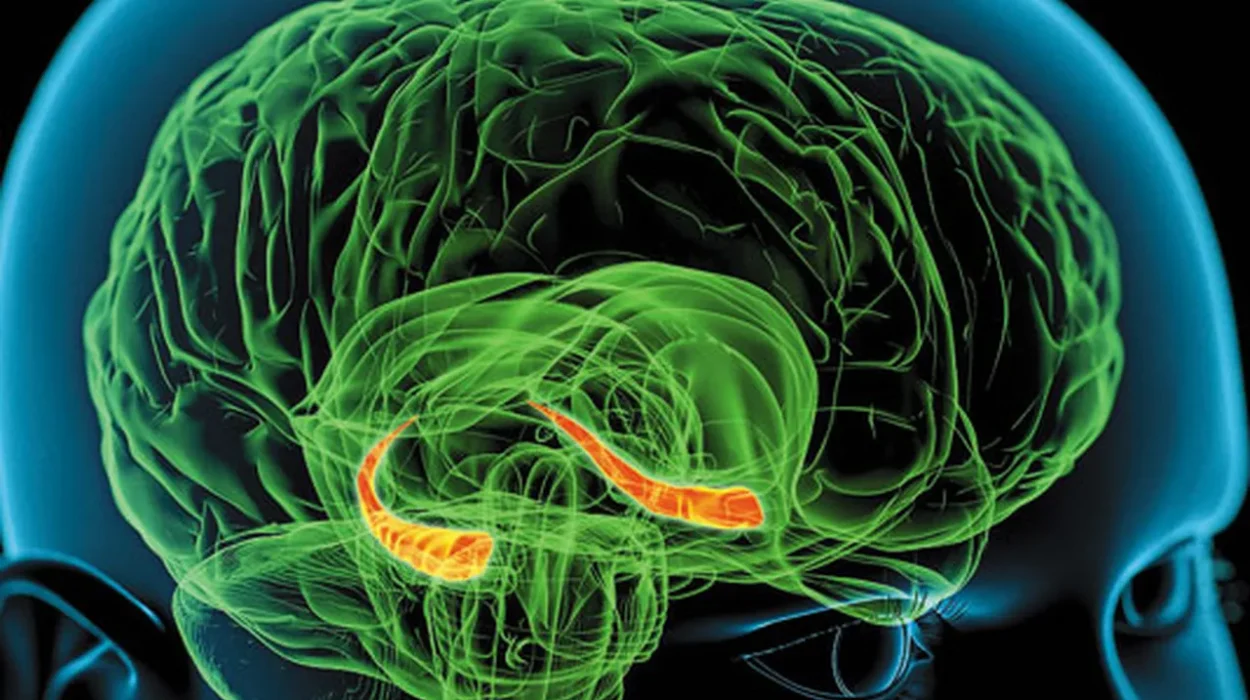
Pain is more than a signal traveling from an injured body part to the brain. It is an experience created by the nervous system as it detects potential or actual harm, evaluates what those signals mean, and produces a response designed to protect the body. The brain combines information from sensory nerves with attention, memory, emotions, and expectations to shape how pain feels.
This process explains why the same injury can feel different from one moment to the next, why pain can persist after damaged tissue has healed, and why a person can experience severe pain without an obvious injury. Pain is a real experience, but its intensity does not always correspond directly to the amount of physical damage.
Pain begins with the detection of potential harm
The process often starts in specialized sensory nerve endings called nociceptors. These receptors are found in the skin, muscles, joints, and many internal organs. They respond to potentially damaging stimuli, including extreme temperatures, intense mechanical pressure, and chemicals released during tissue injury or inflammation.
When you touch a hot pan, for example, heat activates nociceptors in your skin. These receptors convert the stimulus into electrical signals through a process called transduction. The signals travel along peripheral nerves toward the spinal cord.
Nociceptors do not simply register every touch or change in temperature. They are particularly sensitive to conditions that threaten tissue integrity. Ordinary contact with a table may activate touch receptors without activating nociceptors, while pressing a sharp object into the skin can activate both.
Importantly, nociceptors detect potentially harmful conditions; they do not themselves create the conscious experience of pain. That distinction is fundamental to understanding how the brain works.
How signals travel from the body to the brain
Once nociceptors generate electrical activity, nerve fibers carry the information toward the spinal cord. Two major types of fibers transmit many pain-related signals.
A-delta fibers are relatively fast and often carry information associated with sharp, well-localized pain. They help explain the immediate sting you feel when you accidentally prick your finger. C fibers conduct signals more slowly and commonly contribute to dull, aching, burning, or lingering pain.
These signals enter the spinal cord, where they connect with other nerve cells in the dorsal horn, a region that processes incoming sensory information. Some signals are modified at this stage before traveling farther into the nervous system.
Many pain-related pathways then carry information upward through the brainstem and into several brain regions, including the thalamus. The thalamus acts as an important relay and processing center, distributing sensory information to areas of the cerebral cortex and other parts of the brain.
This journey is not a simple, one-way transmission. The spinal cord and brain can increase or decrease the activity of pain pathways. Signals traveling down from the brain can influence how strongly incoming information is transmitted, sometimes reducing pain and sometimes amplifying it.
The result is a flexible system rather than a passive alarm wire.
The brain turns sensory information into a conscious experience
No single brain region creates pain on its own. Instead, the experience emerges from coordinated activity across a network of interconnected areas.
The somatosensory cortex, located near the top of the brain, helps identify where a stimulus occurs and provides information about its intensity and physical characteristics. This contributes to the ability to distinguish a sharp pain in one finger from a deep ache in the shoulder.
The insula, a region involved in representing the body’s internal state, helps integrate information about bodily sensations. The anterior cingulate cortex contributes to the emotional and motivational aspects of pain, including how unpleasant it feels and how strongly it demands attention.
Other regions, including parts of the prefrontal cortex, contribute to interpretation, expectations, decision-making, and the context in which pain occurs. The brain also draws on activity in networks involved in attention, learning, memory, and emotional regulation.
These regions do not operate as isolated modules. Their interactions help produce the unified experience people recognize as pain: a sensation with a location, an intensity, an emotional quality, and an urge to respond.
Pain is therefore not simply the brain reading a measurement of tissue damage. It is the nervous system’s integrated experience of a threat to the body.
Why pain is more than a physical sensation
Pain has both sensory and emotional dimensions. It tells you something about what is happening in your body while also influencing how you feel and what you do next.
Imagine stepping on a sharp object. You may feel a sudden, localized sting, but you may also experience alarm, pull your foot away, and become more cautious about where you step. These responses involve different aspects of the nervous system working together.
The sensory component helps identify the location and nature of the stimulus. The emotional component gives the experience its unpleasant quality. The motivational component encourages protective behavior, such as withdrawing from danger, resting an injured area, or seeking help.
These dimensions can vary independently to some degree. A person may recognize that a stimulus is painful but feel less distressed by it in a calming environment. Conversely, fear or anxiety can make an already painful sensation feel more threatening and difficult to tolerate.
Pain’s emotional component does not make it imaginary or less legitimate. Emotional processing is part of how the brain constructs the experience in the first place.
How attention, expectations, and emotions change pain
The brain continually interprets incoming information in the context of what a person is doing, feeling, and expecting. This helps explain why pain can change even when the physical stimulus remains the same.
Attention is one important influence. When someone is absorbed in a demanding activity, a minor injury may go unnoticed for a while. Once attention shifts to the injury, the pain may become much more prominent. The injury has not necessarily changed; the brain is giving the sensation greater priority.
Emotions also matter. Fear, stress, and anxiety can increase vigilance toward bodily sensations and strengthen the perceived threat associated with them. Calmness, a sense of safety, and social support can sometimes reduce pain’s intensity or unpleasantness.
Expectations can shape the experience as well. If a person anticipates a painful procedure, the anticipation itself may increase distress and pain. If the person expects relief from a treatment, that expectation can contribute to a reduction in pain. This is one reason placebo effects can produce genuine changes in pain experience even when a treatment has no specific pain-relieving ingredient.
These effects do not mean that pain is merely a product of thought. They reflect the fact that sensory processing and psychological processes are deeply interconnected in the brain.
How the brain can turn pain up or down
The nervous system has built-in mechanisms for regulating pain. These mechanisms, known collectively as pain modulation, operate at several levels, including the spinal cord and the brain.
Some descending pathways begin in regions of the brainstem and influence nerve activity in the spinal cord. Depending on the circuits involved and the circumstances, they can inhibit the transmission of pain-related signals or facilitate it.
The body also produces chemicals that influence pain processing. Endogenous opioids, including endorphins, are naturally occurring substances that can reduce the transmission or impact of pain signals. Other chemical messengers, such as serotonin and norepinephrine, help regulate pain pathways, although their effects depend on the specific circuits and receptors involved.
These mechanisms help explain why pain sometimes decreases during an emergency or intense physical activity and becomes more noticeable afterward. Attention, stress responses, and descending control can temporarily alter the experience.
Pain modulation is also relevant to medical treatment. Some medications reduce inflammation or interfere with signaling in peripheral nerves, while others act on the spinal cord or brain. Treatments can therefore reduce pain at different points in the system rather than targeting a single universal pain center.
Why pain can persist after an injury heals
Acute pain is generally protective. It encourages a person to withdraw from danger, protect an injured area, and allow time for recovery. But pain can continue after the original injury has healed, sometimes for months or years.
One explanation is sensitization, a change in the responsiveness of the nervous system. Sensitization can occur in peripheral nerves, in the spinal cord, and in other parts of the central nervous system.
Peripheral sensitization happens when nociceptors become more responsive after tissue injury or inflammation. Chemicals released in the injured area lower the threshold at which these nerve endings respond. This is why a sunburn can make even gentle contact feel painful.
Central sensitization occurs when processing within the spinal cord and brain becomes more responsive to incoming signals. Under some circumstances, this increased responsiveness can persist beyond the initial injury. Signals that once produced modest discomfort may then produce more intense pain, and normally nonpainful touch may become painful.
Two terms describe important changes that can accompany these processes. Hyperalgesia means an unusually strong pain response to a stimulus that is normally painful. Allodynia means pain caused by a stimulus that would not ordinarily be painful, such as the light touch of clothing against sensitive skin.
Persistent pain can also involve ongoing inflammation, nerve injury, changes in neural signaling, and alterations in how the brain processes bodily information. Different mechanisms may contribute in different people, and more than one can operate at the same time.
Chronic pain is not always evidence of continuing tissue damage. It can become a condition in its own right, maintained by changes in the nervous system even when the original cause has improved or disappeared. That does not mean every case of persistent pain is caused by central sensitization, nor does it mean an ongoing physical problem should be overlooked.
Why pain can occur without an obvious injury
Pain and tissue damage are related, but they are not interchangeable. The nervous system can produce pain when there is little visible damage, and substantial injury can sometimes occur with surprisingly little pain.
One reason is that pain depends on how the nervous system processes information, not simply on how much tissue has been damaged. A person may experience pain because of altered nerve function, sensitized neural pathways, or changes in the way the brain interprets bodily signals.
Phantom limb pain illustrates this principle. Some people continue to experience pain that seems to come from an amputated limb. The missing limb cannot provide new sensory signals, yet changes in the nervous system can sustain the experience. These changes may involve nerve endings, spinal pathways, and brain networks that continue to represent the missing body part.
Neuropathic pain provides another example. It results from a lesion or disease affecting the somatosensory nervous system itself. Damaged or malfunctioning nerves can generate abnormal electrical activity, sometimes producing burning pain, electric-shock sensations, tingling, or heightened sensitivity.
Pain can also occur in conditions in which the underlying mechanisms are not fully understood. In some cases, the relationship between symptoms and detectable tissue abnormalities is weak or complex. The absence of a clear structural explanation does not establish that pain is fabricated or unreal.
Pain that develops without an obvious injury may still warrant medical evaluation, especially if it is new, severe, persistent, or accompanied by other concerning symptoms. Understanding how pain works should help explain the experience, not encourage people to dismiss unexplained symptoms.
Why the same injury feels different to different people
People do not experience pain in exactly the same way, even when their injuries appear similar. Differences in genetics, previous experiences, sleep, stress, mood, health, and nervous system function can all influence pain sensitivity.
Past experiences help the brain interpret current sensations. Someone who has previously experienced a frightening injury may become especially alert to sensations that resemble it. Another person may interpret a similar sensation as less threatening because of different experiences or expectations.
Sleep can also affect pain regulation. Poor sleep may increase sensitivity to pain, while persistent pain can disrupt sleep, creating a cycle in which each makes the other more difficult to manage.
Social and environmental conditions matter, too. Feeling supported, understanding what is happening, and having confidence in a treatment can influence distress and pain perception. Uncertainty, isolation, and fear may intensify the experience.
These influences do not provide a simple formula for predicting who will feel more pain. Rather, they demonstrate that pain is shaped by the interaction of biological, psychological, and social factors. None of these factors makes a person’s pain less real.
What this means for understanding and treating pain
Because pain can arise through several mechanisms, effective treatment often depends on identifying which processes are contributing to it.
For acute pain caused by inflammation or tissue injury, treatment may focus on the underlying condition, protecting the affected area, and reducing inflammatory activity. When nerve damage or abnormal nerve signaling contributes to pain, treatments that target nerve function may be more appropriate.
Persistent pain may require a broader approach. Depending on the condition, treatment can include medication, physical rehabilitation, psychological therapies, improved sleep, and strategies for gradually returning to valued activities. These approaches work through different pathways, and the best combination varies from person to person.
Psychological treatments do not imply that pain exists only in the mind. They can help change attention, expectations, stress responses, coping patterns, and the effects of pain on daily life. Similarly, physical rehabilitation can help restore function and confidence while addressing the movement limitations that often accompany persistent pain.
Pain relief does not always require eliminating every signal associated with an injury. In some cases, reducing the nervous system’s excessive responsiveness and helping a person regain normal activity are important goals, even when some discomfort remains.
The science also has limits. Researchers understand many of the receptors, neural pathways, and brain networks involved in pain, but no single model fully explains every persistent pain condition or predicts exactly how an individual will respond to treatment.
The central principle is clear: pain is an experience created by the nervous system through the interaction of sensory signals, neural processing, and the brain’s interpretation of bodily threat. It serves an essential protective function, but it can also persist or become amplified in ways that no longer reflect the state of the injured tissue. Understanding this distinction helps explain both why pain is so useful and why it can sometimes become a problem of its own.