Artificial intelligence often sounds like something from science fiction—robots walking among humans, computers thinking like people, or futuristic cities run entirely by machines. Yet the truth is far more fascinating. Artificial intelligence is already deeply woven into everyday life. It works quietly in the background of the technologies we use, helping systems learn patterns, make predictions, and assist us in countless small ways.
Most people interact with artificial intelligence dozens, sometimes hundreds of times every day without realizing it. From the moment a smartphone alarm wakes someone in the morning to the moment a streaming service recommends a movie at night, intelligent algorithms are constantly analyzing information and adapting to human behavior.
Artificial intelligence, or AI, refers to computer systems designed to perform tasks that normally require human intelligence. These tasks include recognizing speech, interpreting images, learning from experience, understanding language, and making decisions based on data. Modern AI systems rely heavily on machine learning, a method where algorithms improve automatically through exposure to large datasets.
Rather than being confined to research laboratories, AI has quietly become one of the most influential technologies shaping the modern world. It improves convenience, efficiency, safety, and accessibility across nearly every field of life.
The following twenty examples reveal how artificial intelligence has become an invisible partner in daily human experiences.
1. Smartphones and Voice Assistants
One of the most common encounters with artificial intelligence happens through voice assistants on smartphones. Digital assistants such as Apple’s Siri, Google Assistant, and Amazon’s Alexa use advanced natural language processing systems to interpret spoken commands.
When a person asks their phone to set a reminder, check the weather, or send a message, the AI system converts speech into text, analyzes the meaning of the sentence, determines the user’s intent, and executes the requested task. Behind the scenes, powerful machine learning models trained on vast datasets help these assistants understand accents, different sentence structures, and conversational context.
Over time, these assistants learn user habits. They may suggest reminders based on routines or anticipate questions about traffic conditions before a commute. The goal is to create interactions that feel increasingly natural and helpful.
Voice assistants demonstrate how AI is gradually transforming computers from tools that require precise commands into systems that understand human language.
2. Personalized Recommendations on Streaming Platforms
Streaming platforms rely heavily on artificial intelligence to personalize entertainment experiences. When users open services like Netflix, Spotify, or YouTube, they see recommendations tailored specifically to their preferences.
Machine learning algorithms analyze viewing or listening history, time spent on particular content, ratings, search patterns, and even the behavior of users with similar tastes. The AI system builds a complex profile of each individual’s interests.
Based on these patterns, it predicts what content the viewer is most likely to enjoy next. This predictive capability keeps users engaged while helping them discover new movies, music, and shows that might otherwise remain hidden in massive libraries.
These recommendation engines illustrate how AI can process enormous amounts of data to identify subtle patterns in human behavior.
3. Navigation and Traffic Prediction
Modern navigation apps have transformed travel, and artificial intelligence plays a central role in their effectiveness.
When someone opens Google Maps or Waze to find the fastest route, AI algorithms analyze real-time traffic conditions, historical traffic data, road closures, accidents, and even weather conditions. By continuously processing incoming information from millions of smartphones and sensors, the system predicts congestion and suggests optimal routes.
Machine learning models improve predictions over time by analyzing how traffic behaves in different locations and at different times of day. This allows navigation systems to estimate arrival times with remarkable accuracy.
AI-powered navigation does more than guide drivers—it helps cities manage transportation systems more efficiently.
4. Email Spam Filtering
Before advanced spam filtering systems, email inboxes were flooded with unwanted messages. Artificial intelligence now protects users by automatically identifying spam.
Machine learning models analyze characteristics such as sender information, message structure, keywords, links, and patterns commonly associated with fraudulent or promotional emails. By training on millions of examples, the AI learns to distinguish legitimate communication from spam.
Each time users mark an email as spam or safe, the system gains more training data and improves its accuracy. Modern spam filters are remarkably effective, blocking the vast majority of unwanted emails before they reach the inbox.
This everyday example demonstrates how AI can automate tedious tasks and protect users from online threats.
5. Smart Cameras and Facial Recognition
Artificial intelligence has dramatically improved image recognition technologies. Many smartphones and security systems now use AI-powered cameras capable of identifying faces, objects, and scenes.
Facial recognition systems analyze patterns in facial features, such as the distance between eyes, the shape of the nose, and other structural characteristics. These measurements are converted into numerical representations that allow computers to compare faces with stored data.
This technology allows users to unlock smartphones, organize photo libraries automatically, and enhance security systems. While powerful, facial recognition also raises important discussions about privacy and ethical use.
6. Online Shopping Recommendations
When browsing online stores such as Amazon, shoppers often notice product suggestions based on previous purchases or searches. These recommendations are generated by AI-driven recommendation systems.
Algorithms analyze purchasing patterns across millions of customers to identify relationships between products. If many people who buy one item also buy another, the system learns that the two items are related.
AI also considers browsing history, search queries, and demographic data to personalize suggestions. This makes shopping more convenient while helping businesses connect customers with relevant products.
7. Fraud Detection in Banking
Financial institutions rely heavily on artificial intelligence to detect fraudulent transactions. Credit card fraud, identity theft, and suspicious financial activities can cause enormous economic losses if not identified quickly.
AI systems analyze transaction patterns in real time, comparing each purchase to a customer’s typical behavior. If a transaction appears unusual—such as a sudden purchase in a distant location or an unusually large amount—the system flags it for investigation.
Machine learning models continually adapt as fraud strategies evolve. This dynamic defense makes AI an essential tool for protecting financial systems.
8. Smart Home Devices
Artificial intelligence powers many smart home devices designed to make daily life more comfortable and energy-efficient.
Smart thermostats learn household routines and adjust temperatures automatically to save energy while maintaining comfort. Smart lighting systems adapt brightness based on time of day or occupancy. AI-powered speakers control appliances through voice commands.
These systems rely on sensors and machine learning algorithms to recognize patterns in human behavior. Over time, they create automated environments tailored to individual lifestyles.
Smart homes represent a growing intersection between AI and everyday domestic life.
9. Language Translation
AI has revolutionized language translation by enabling near-instant communication between speakers of different languages.
Modern translation systems use neural networks trained on vast multilingual datasets. These networks learn complex relationships between words, grammar structures, and cultural expressions.
Applications like Google Translate can translate spoken or written language in real time, helping travelers, businesses, and students communicate across linguistic barriers.
Although not perfect, AI translation systems continue to improve as they learn from more examples.
10. Healthcare Diagnosis Support
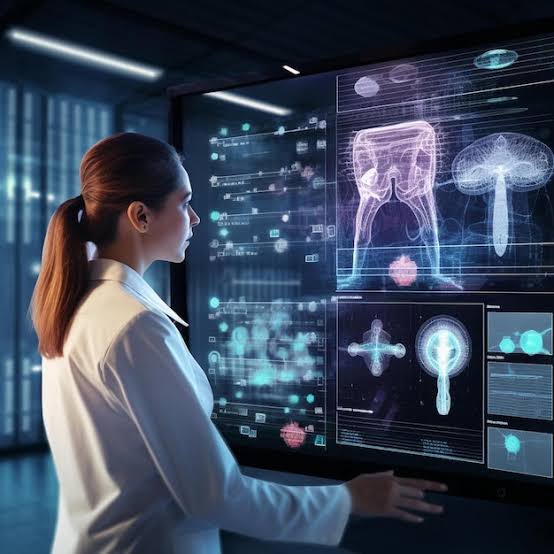
Artificial intelligence is increasingly assisting doctors in diagnosing diseases. Medical imaging technologies such as X-rays, MRIs, and CT scans generate large volumes of complex data.
AI algorithms trained on thousands or millions of medical images can identify subtle patterns associated with diseases such as cancer, pneumonia, or retinal disorders. In some cases, these systems detect abnormalities earlier than the human eye can.
AI does not replace physicians but acts as a decision-support tool that enhances diagnostic accuracy and efficiency.
Healthcare is one of the most promising areas where AI may significantly improve human well-being.
11. Social Media Content Curation
When people open social media platforms, the posts they see are rarely arranged chronologically. Instead, AI systems determine which content appears first.
Algorithms analyze user interactions—likes, shares, comments, viewing time—to determine which posts are most relevant to each individual. The system then prioritizes similar content in the feed.
This personalization keeps users engaged while shaping their online experience.
12. Predictive Text and Autocorrect
Typing on smartphones has become faster and easier thanks to AI-powered predictive text systems.
Machine learning models analyze language patterns to predict the next word in a sentence. These systems also correct spelling errors and adapt to individual writing styles.
As users type more messages, the AI learns personal vocabulary preferences and communication habits.
Predictive text is a simple but powerful example of AI enhancing everyday communication.
13. Ride-Sharing Services
Ride-sharing platforms rely heavily on artificial intelligence to match drivers with passengers efficiently.
Algorithms analyze location data, demand patterns, traffic conditions, and driver availability to optimize ride assignments. Dynamic pricing systems adjust fares based on real-time demand.
AI helps reduce waiting times, maximize driver efficiency, and ensure smooth operations across millions of daily rides.
14. Autonomous Vehicles
Self-driving technology represents one of the most ambitious applications of artificial intelligence.
Autonomous vehicles use sensors, cameras, radar, and lidar systems to perceive their surroundings. AI algorithms interpret this data to detect pedestrians, vehicles, traffic signs, and road conditions.
Machine learning allows the vehicle to make real-time decisions about steering, braking, and acceleration.
While fully autonomous vehicles are still under development, partial automation features such as adaptive cruise control and lane-keeping assistance are already common.
15. Search Engines
Search engines rely on artificial intelligence to deliver relevant information from the vast resources of the internet.
When users enter a query, AI algorithms analyze the words, interpret intent, and rank billions of webpages to present the most useful results. Machine learning models continuously refine rankings based on user behavior and feedback.
Modern search systems also understand context, enabling conversational queries and more accurate answers.
16. Agriculture and Smart Farming
Artificial intelligence is transforming agriculture through precision farming techniques.
AI-powered sensors and drones monitor soil conditions, crop health, and weather patterns. Machine learning algorithms analyze this data to recommend optimal irrigation schedules, fertilizer use, and pest control strategies.
These technologies help farmers increase productivity while reducing environmental impact.
17. Online Customer Support Chatbots
Many websites now use AI chatbots to provide instant customer service. These systems use natural language processing to understand user questions and generate appropriate responses.
Chatbots can handle common inquiries, assist with product searches, and guide customers through troubleshooting steps.
By automating routine support tasks, businesses can respond to users quickly while human agents focus on more complex problems.
18. Music Creation and Audio Processing
Artificial intelligence is beginning to influence music production and audio technology.
AI systems can analyze musical structures and generate original melodies, harmonies, or rhythms. Some software tools assist musicians by suggesting chord progressions or helping mix audio tracks.
AI also powers noise cancellation technologies that filter unwanted background sounds during calls or recordings.
19. Smart Health and Fitness Tracking
Wearable devices such as fitness trackers and smartwatches use AI algorithms to monitor physical activity, heart rate, sleep patterns, and overall health.
Machine learning models analyze physiological data to detect patterns and provide personalized insights. Some systems can identify irregular heart rhythms or recommend lifestyle adjustments based on activity levels.
These technologies empower individuals to better understand and manage their health.
20. Disaster Prediction and Climate Monitoring
Artificial intelligence is increasingly used to analyze environmental data and predict natural disasters.
Machine learning models process satellite imagery, seismic activity, weather data, and ocean temperatures to identify early warning signs of hurricanes, floods, wildfires, and earthquakes.
By improving prediction accuracy and response planning, AI can help protect communities and save lives.
The Invisible Partner of Modern Life
Artificial intelligence is not a distant future technology. It is already embedded in the infrastructure of modern society. It guides vehicles, filters information, assists doctors, powers communication tools, and helps manage complex systems across the world.
Most importantly, AI continues to evolve. As computing power increases and datasets expand, these systems will become even more capable. They will assist scientific discoveries, improve healthcare, enhance education, and help humanity address global challenges.
The quiet revolution of artificial intelligence is unfolding all around us. In the devices we carry, the services we use, and the systems that keep modern life running, intelligent algorithms are learning, adapting, and working alongside us.
What once seemed like science fiction has become a fundamental part of everyday reality.