Blood is red because of a protein called hemoglobin, which is found inside red blood cells. Hemoglobin contains iron and is responsible for carrying oxygen from the lungs to tissues throughout the body. When oxygen binds to hemoglobin, it changes the way the protein absorbs and reflects light, giving oxygen-rich blood its familiar bright red color.
Blood does not contain red dye, and the iron in hemoglobin is not simply “rusting.” Its color comes from the structure of hemoglobin and, more specifically, from a part of the molecule called heme that contains an iron atom.
Hemoglobin is the source of blood’s color
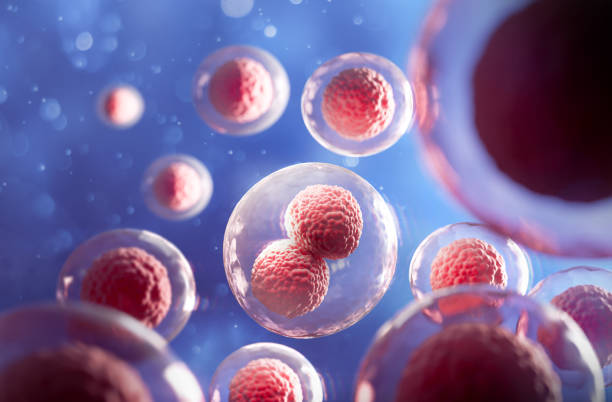
Red blood cells are specialized to transport oxygen. They are packed with hemoglobin, a large protein that makes up a substantial portion of the cell’s contents.
Each hemoglobin molecule contains four heme groups. At the center of each heme group is an iron atom that can reversibly bind an oxygen molecule. This arrangement allows hemoglobin to pick up oxygen in the lungs, where oxygen is abundant, and release it in tissues that need it.
The heme groups also interact with visible light. Molecules absorb some wavelengths of light and reflect or transmit others. Because of hemoglobin’s particular molecular structure, the light that reaches our eyes is dominated by wavelengths we perceive as red.
That is why blood appears red in the first place: hemoglobin absorbs and interacts with light in a way that produces a red appearance.
Why oxygen-rich and oxygen-poor blood look different
Blood is not always exactly the same shade of red.
Blood leaving the lungs contains a high proportion of oxygen-bound hemoglobin and is typically bright red. This is the blood that travels through most arteries.
After blood delivers oxygen to tissues, more of its hemoglobin is in a deoxygenated state. Deoxygenated blood is darker red, often described as maroon or deep red. It returns toward the heart through veins.
The difference is sometimes described as “red arterial blood versus blue venous blood,” but human blood is not actually blue. Veins can look blue or green through the skin because of the way light interacts with the skin, underlying tissue, and blood vessels. The blood inside them remains a shade of red.
The color change happens because oxygen binding alters hemoglobin’s electronic and molecular properties, which changes which wavelengths of visible light it absorbs.
What does iron have to do with the red color?
Iron is essential, but it is not accurate to say that blood is red simply because it contains iron.
The important structure is the heme group, a ring-shaped chemical structure that holds an iron atom at its center. The surrounding structure determines how that iron-containing molecule interacts with light.
This distinction matters because iron by itself does not automatically make something red. Metallic iron is gray, while iron compounds can have many different colors. Blood’s characteristic color comes from the specific chemistry of hemoglobin and its heme groups.
The iron atom also has a crucial biological job: it provides the site where oxygen can bind to hemoglobin. Without this iron-containing structure, hemoglobin could not perform its normal oxygen-carrying role.
Why blood looks dark red inside veins
The color of blood also depends on how much hemoglobin is oxygenated.
Oxyhemoglobin, hemoglobin with oxygen bound to it, gives oxygen-rich blood a relatively bright red appearance. Deoxyhemoglobin, hemoglobin without oxygen bound in that form, absorbs visible light differently and makes oxygen-poor blood appear darker.
This is why a small amount of blood can look noticeably different depending on the lighting, thickness of the blood layer, and oxygenation state.
Blood that has been exposed to air can also change appearance as hemoglobin interacts with oxygen. A thin smear of blood may look brighter red than a large volume, because the amount and path length of blood that light travels through affect what reaches the eye.
Why are red blood cells red if they contain no nucleus?
Mature human red blood cells are unusual cells. They lose their nucleus and most other internal structures as they mature, leaving more room for hemoglobin.
They do not need a nucleus to perform their main job of transporting oxygen. Their flattened, flexible shape also helps them move through very small blood vessels.
Although red blood cells are themselves sometimes called “red,” their color is primarily due to the enormous amount of hemoglobin they contain. A single red blood cell contains millions of hemoglobin molecules.
Is blood ever another color?
Under normal human conditions, blood is fundamentally red, although its shade can vary.
Blood with abundant oxygenated hemoglobin is generally brighter red, while blood with more deoxygenated hemoglobin is darker red. Certain medical conditions can also alter the apparent color of blood by changing the chemical form of hemoglobin or the substances dissolved in it.
For example, some abnormal forms of hemoglobin can change the way blood appears because they interact with light differently. These situations are different from the normal oxygenation-related color difference between arterial and venous blood.
The important point is that healthy human blood does not become blue when it loses oxygen. Oxygen-poor blood is still red; it is simply a deeper shade.
Why blood looks red through the skin
If veins contain dark red blood, why do they often appear blue?
The answer is largely about optics, not a change in the blood’s fundamental color.
When daylight or other visible light enters the skin, different wavelengths are absorbed and scattered by the skin, fat, tissue, and blood. Light that eventually returns to our eyes carries information that our visual system interprets as the characteristic blue-green appearance of many superficial veins.
The depth and size of a vein, skin thickness, lighting, and individual differences in skin and tissue all influence its appearance. Looking at a vein through the skin therefore does not give a direct view of the actual color of the blood inside it.
Why blood is red instead of some other color
From an evolutionary perspective, the red color is closely tied to the chemistry of oxygen transport in humans.
Vertebrate blood relies on hemoglobin, whose heme groups contain iron. Hemoglobin is highly effective at binding oxygen under the conditions found in the lungs and releasing it in tissues. Its optical properties are a consequence of its molecular structure rather than a feature that blood evolved simply to make itself red.
Other organisms use different oxygen-carrying molecules and can therefore have blood with very different colors. Some marine animals, for example, use hemocyanin, a copper-containing oxygen-carrying protein. Oxygenated hemocyanin can give their blood a bluish appearance.
So there is nothing inherently necessary about blood being red. In humans, red is a consequence of the particular oxygen-transport system built around hemoglobin and heme.
The essential reason blood is red
The chain is straightforward:
Hemoglobin contains heme → heme contains iron → heme interacts with visible light → oxygen binding changes that interaction → oxygen-rich and oxygen-poor blood appear as different shades of red.
The red color is therefore not caused by blood being exposed to oxygen, nor by iron “rusting.” It comes from the molecular structure of hemoglobin and the way oxygenated and deoxygenated hemoglobin absorb and reflect visible light.